
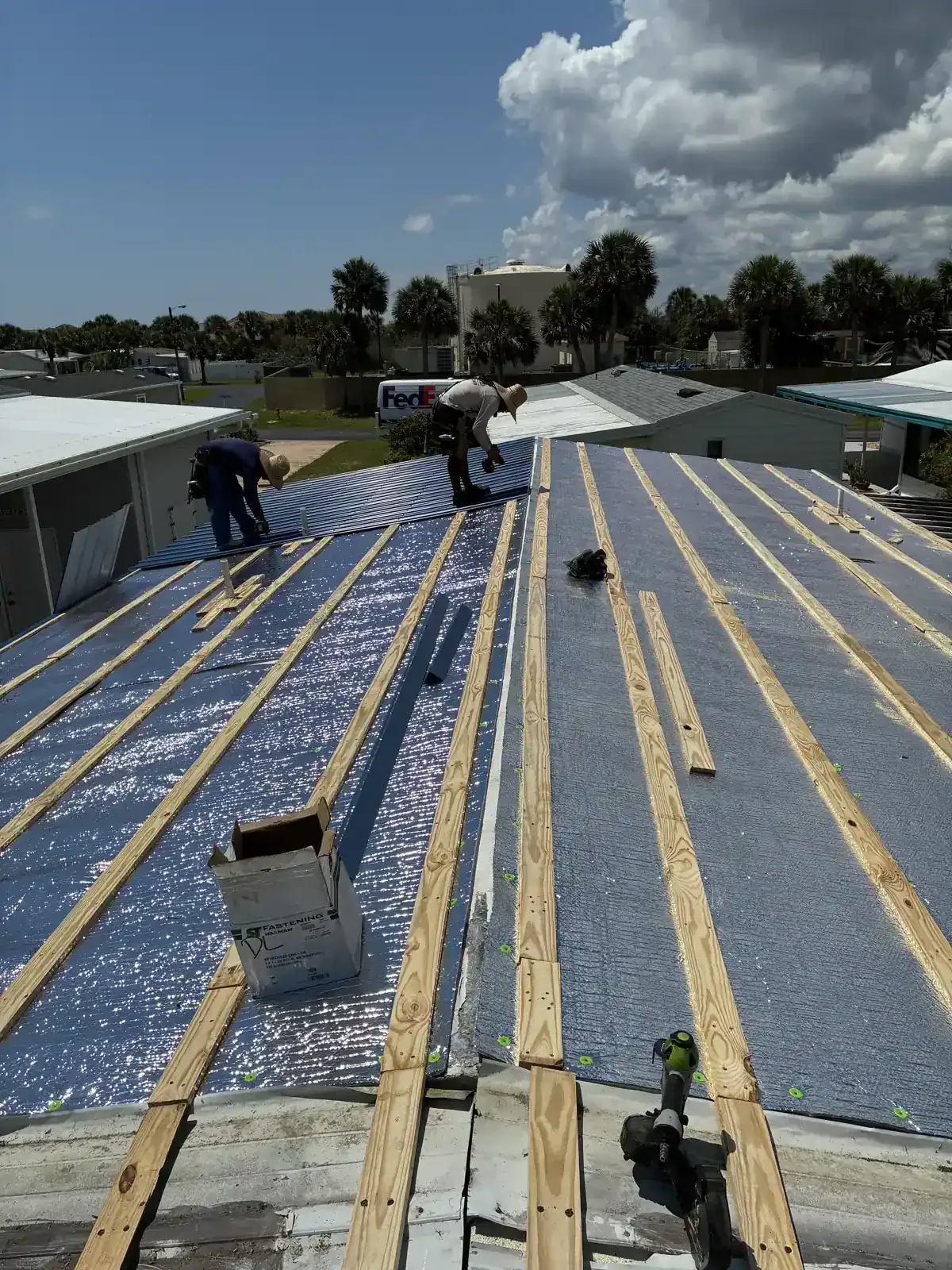
Johns Manville Commercial Roofing in Davie, FL
Review the Johns Manville Options
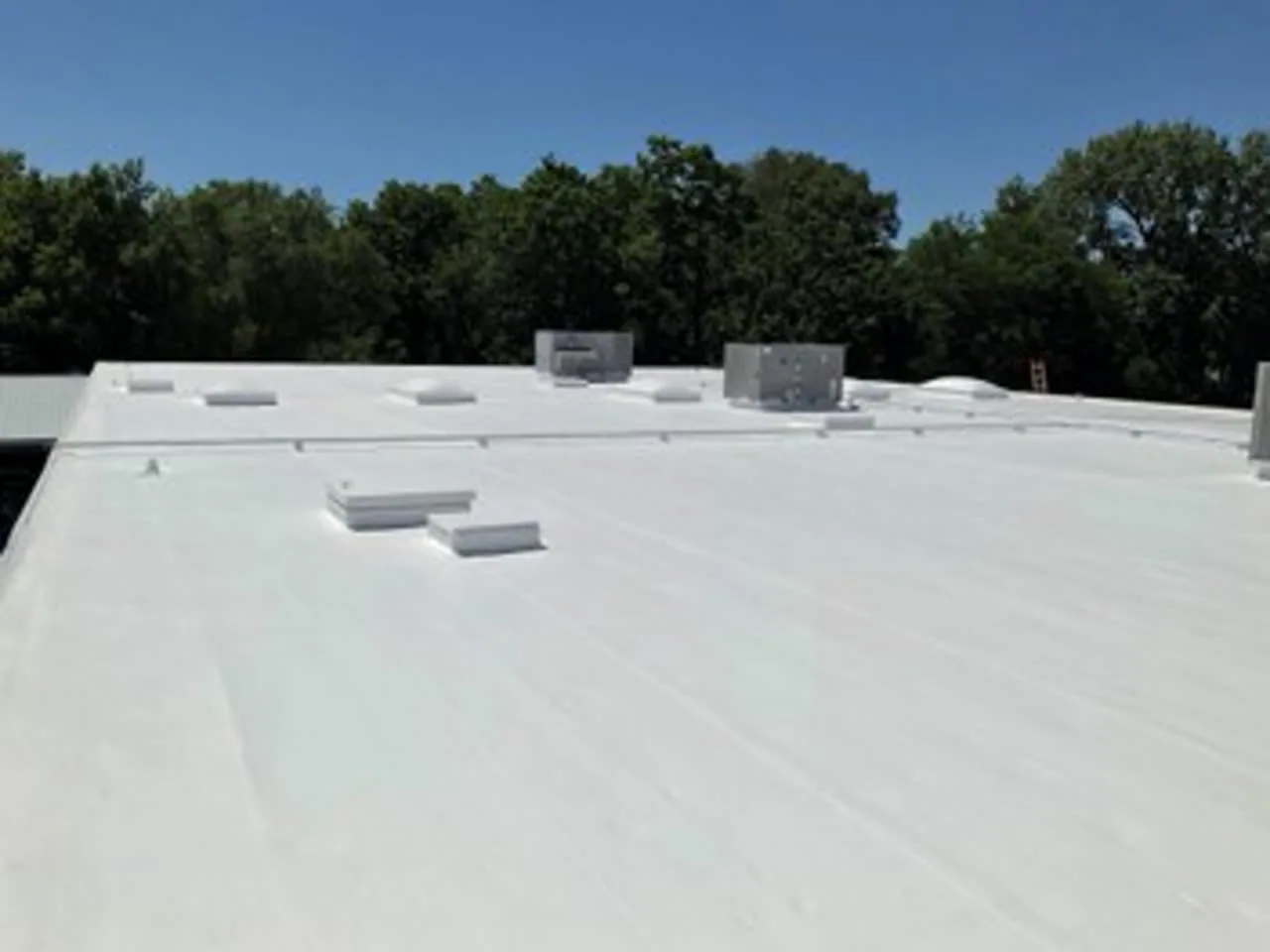
Humidity and recurring wet-season showers make the condition below a roof surface part of each material decision. We look at the existing assembly, drains, insulation, rooftop equipment and daily access before comparing Johns Manville options. The company’s commercial portfolio includes TPO, PVC, EPDM, SBS and APP modified bitumen, built-up roofing, and liquid-applied systems. Those families behave differently at seams, transitions and repairs, so the roof’s current layers and the project’s design requirements need to be understood first. A property near the Downtown Davie area may have limited staging near occupied businesses; an industrial roof near the corridor can have more equipment and movement constraints. Neither can be specified from a product list alone.
Identify the Layer That Needs Work
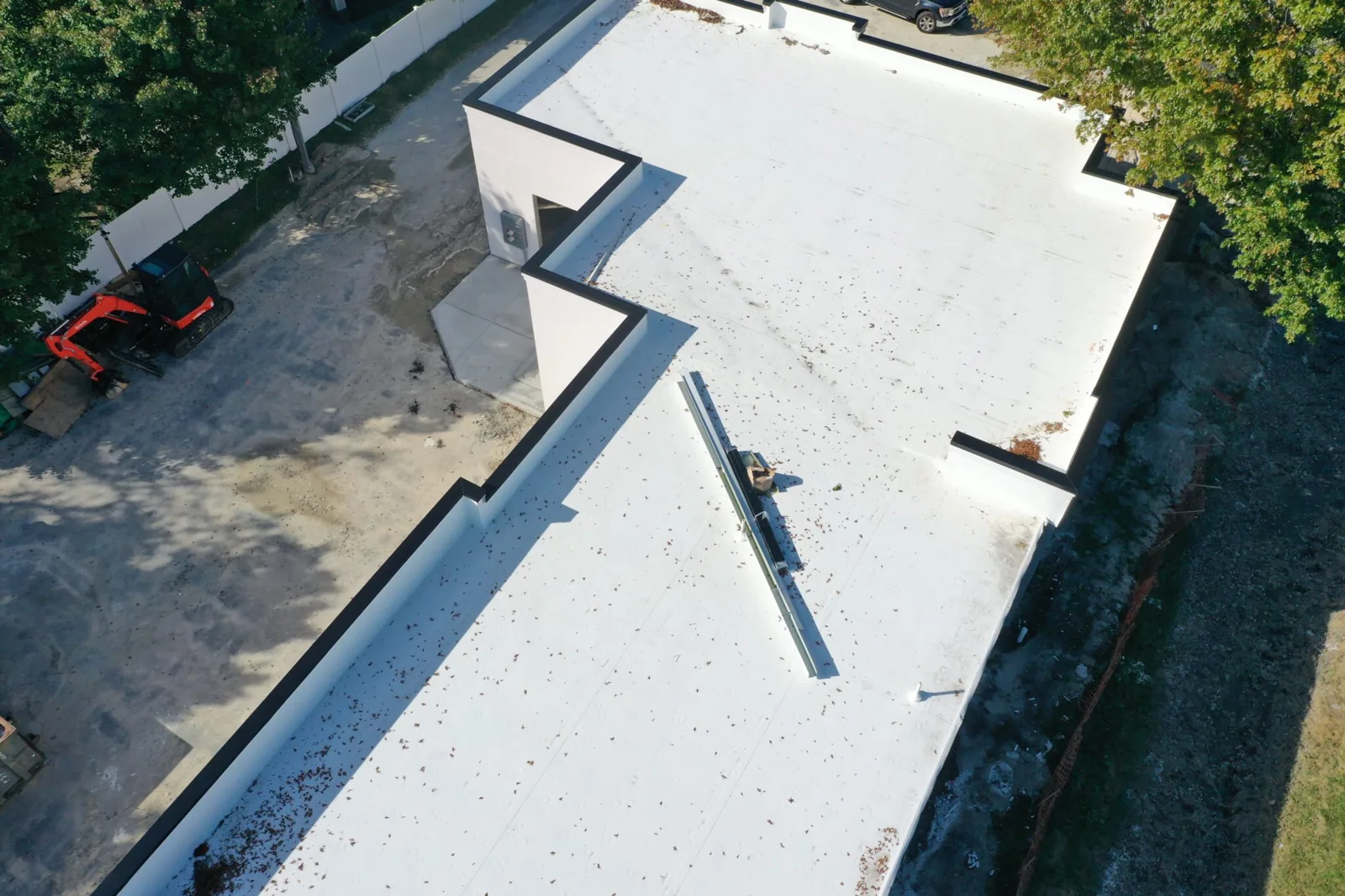
We begin by checking what can be established without opening the assembly: membrane type, visible repairs, edge conditions, flashing transitions, drain locations, and any evidence of movement or trapped water. A roof that has several recover layers may need a different scope than a single membrane over sound insulation. We note areas where surface observations are not enough, then recommend selective openings or moisture investigation when those results could change the material choice. The owner receives a distinction between observed conditions and questions that remain unresolved.
Johns Manville offers more than one low-slope family. Its TPO is a reinforced thermoplastic membrane, while SBS systems can be installed through different methods such as cold-applied, heat-welded, self-adhered, or hot-applied work, depending on the selected product. That does not make an asphaltic roof appropriate for every property. We consider deck and substrate condition, slope, drains, insulation transitions, fire and design requirements, and whether the building can support the installation sequence. A modified-bitumen review or built-up system assessment can help focus the conversation on assembly details.
Manage Moisture Before It Is Covered
Moisture can enter at a flashing, seam, penetration, or drain, then travel before it becomes visible indoors. Davie shares South Florida’s humid climate and a wet season that brings frequent showers and thunderstorms. That raises the value of checking insulation and roof drainage before a new layer conceals conditions. We do not treat every damp area as proof that a broad reroof is needed. Instead, we map its location, review nearby seams and details, and determine whether more testing is needed to define the boundary.
Work sequencing matters when a roof cannot remain open through an afternoon cell. The proposed scope should identify the daily working footprint, temporary dry-in, material staging, and the stop condition for lightning or rain. We coordinate those decisions with building access and tenant notice. A manager near Davie Road may need pedestrian entry kept clear, while a campus or industrial property may require equipment clearance and a restricted work zone. A moisture survey can inform selective investigation, and insulation and cover-board work can be scoped where the roof evidence supports it.
Match the Detail to the Material
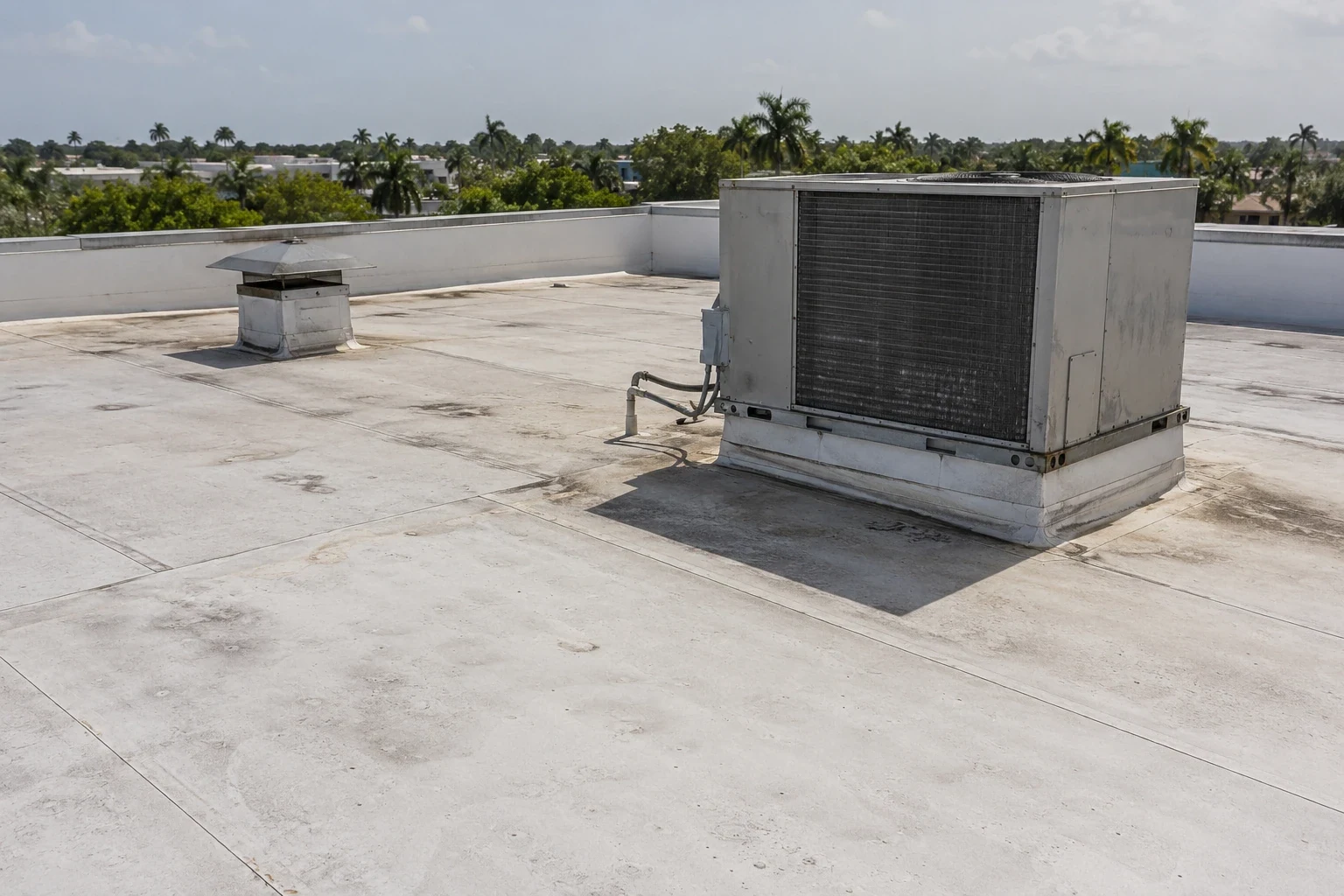
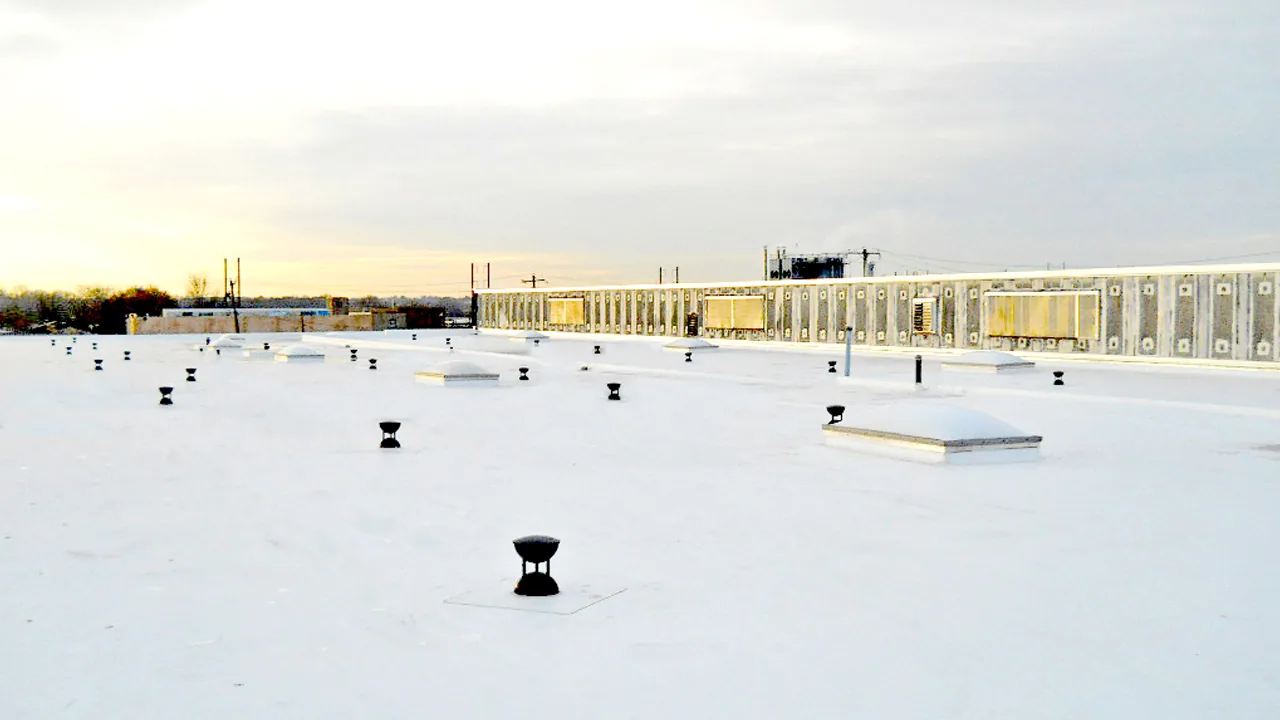
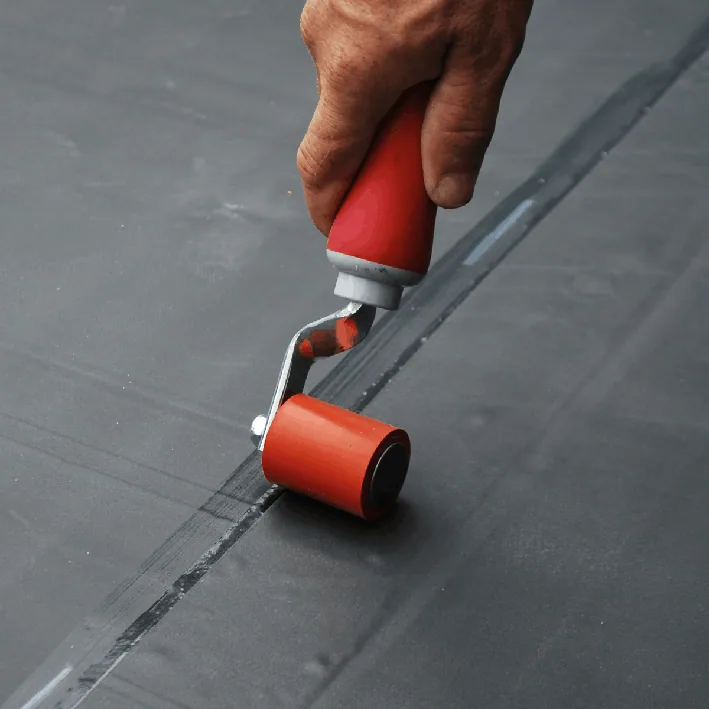
A membrane selection also determines how seams and flashings are assembled. Thermoplastic sheets are joined with heat-welded seams, while asphaltic systems use laps and application methods specific to the selected product. Pipe penetrations, curbs, drains, corners, edge transitions and repairs need compatible materials and carefully prepared surfaces. We review those details in the submittal and during installation, then record the roof zones completed. If access or weather prevents inspection of a detail, the closeout should say so rather than imply that the entire surface received the same review.
Davie's SR 7 corridor includes industrial, technology, workplace, and commercial-service uses. Nearby Pembroke Pines includes office, retail, industrial and healthcare properties. Those uses create different roof traffic and scheduling patterns, but they do not establish what membrane a specific building has. Before work begins, we confirm rooftop equipment locations, penetrations, and any interior rooms or operations that cannot be interrupted. Drainage is checked as part of the system, not left for a separate crew to discover later. A drainage service can address outlets and flow paths, while planned maintenance can preserve accessible details after closeout.
Keep the Proposal Comparable
Different proposals often use the same manufacturer name while covering different work. One may include insulation removal, deck repair, new edge metal and drain modifications; another may price only a membrane over the existing surface. Compare demolition limits, material layers, attachment, detail transitions, temporary protection, testing, cleanup and closeout. Cost and duration can change when wet insulation extends beyond the visible area, when the substrate needs repair, or when occupancy reduces the number of roof zones that can be open at once.
We can compare the proposed Johns Manville system with a Holcim Elevate assembly or Soprema system using the same roof conditions and project assumptions. The brand choice should not obscure whether the scope solves the actual drainage, moisture and access concerns. Florida’s 2023 Building Code applies statewide to permitted work, and the building’s design and construction scope determine the applicable review. When a property has a sound field membrane but failed details, a repair plan may be more appropriate than replacement. We set out what supports that decision and which conditions could change it.
Record the Work for the Next Visit
A useful closeout ties photographs and observations to roof zones. We list the material and installation scope, note repairs or conditions encountered, and identify any work deferred because of access, rain or concealed conditions. That lets a property manager coordinate future maintenance without treating one visit as proof that every location will remain unchanged. If a later leak appears, the record gives the next inspection a point of comparison.
Fort Lauderdale averages 60.95 inches of rain annually; on a Davie roof, drainage and the observed water path still guide the repair. The record must describe the building itself: whether drains were accessible, what seam or flashing was reviewed, and what should be checked again. A roof asset record can carry the observations into planning and budget review. We leave the owner with a defined next approval rather than a list of product names without context. The manager can distinguish zones ready for routine monitoring from those that need scheduled follow-up.
Related Roofing Work
- Downtown Davie
- Modified Bitumen Roofing
- Built-Up Roofing for Commercial Buildings
- Infrared Roof Moisture Survey
- Commercial Roof Insulation and Cover Board
- Commercial Roof Drains and Scuppers
- Preventive Commercial Roof Maintenance
- Holcim Elevate Commercial Roofing
Browse every page in Roofing Manufacturers, or request a roof assessment and we will walk the roof with you. Call 555-555-5555.
Questions Owners Ask
Which Johns Manville system should we consider first?
The existing roof, moisture condition, deck, drainage, access and design requirements set the comparison. We review those conditions and then evaluate the applicable membrane or asphaltic options rather than starting with a preferred product family.
Can SBS work be installed without a torch?
Johns Manville describes several SBS application methods, including cold-applied, self-adhered, heat-welded and hot-applied options for particular systems. We identify the specified method and plan its safety, substrate preparation, weather window and building protection.
How do you decide whether wet insulation has to come out?
We locate and assess the suspected area, distinguish surface water from moisture below the membrane, and use selective testing when needed. Removal limits follow the findings and the assembly requirements, not an assumption based on one interior stain.
What changes the schedule during Davie’s wet season?
Rain, lightning, substrate moisture, access restrictions and the size of each roof zone can all shift the sequence. We set a daily closure condition and identify what must be dry before membrane or flashing work continues.
What should the closeout include?
The record should identify installed layers, completed zones, accessible details reviewed, photographs, deferred work and any condition needing follow-up. We tie each item to the roof area so a later inspection can use it.
Share the existing roof information, moisture concerns, drainage plan and operating limits. We can inspect the roof and compare a Johns Manville scope with the building’s conditions and work window.
