
Cool Roof Installation for Commercial Buildings in Davie, FL
Assess a reflective roof option
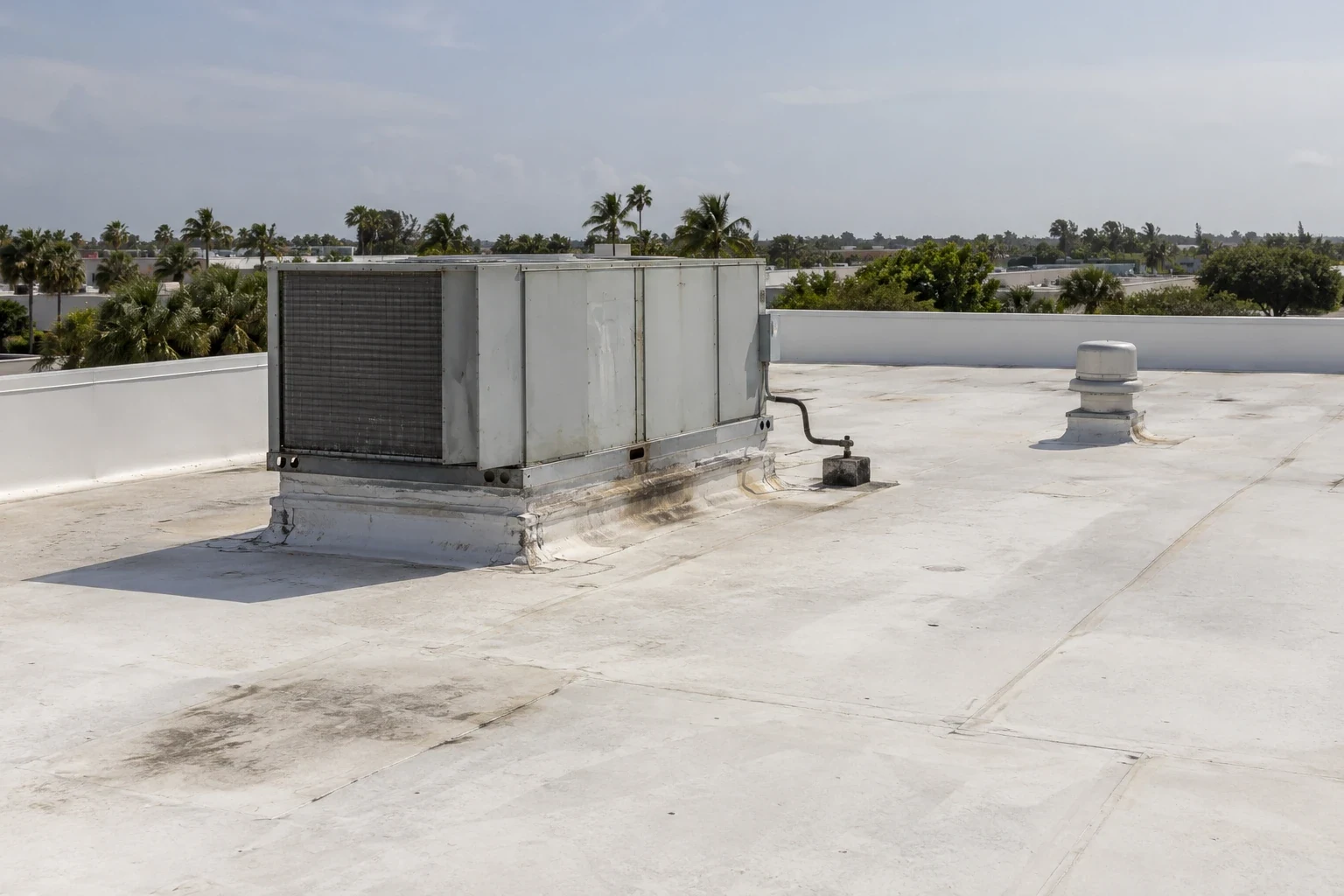
South Florida's July and August heat index can exceed 100 degrees, so the crew schedules roof work around current heat and surface conditions, so a reflective roof can be worth evaluating before peak summer conditions. We check the membrane, insulation, ponding history, and equipment layout. A reflective system belongs in the plan only if the assembly supports it. Before testing or preparation, we define the roof zone and weather stop point.
Fort Lauderdale's annual mean temperature is 77.2 degrees, and its long-term annual rainfall normal is 60.95 inches. Heat and rain both matter. The surface must match the assembly and preserve drainage. The owner can assess energy impact using the building's utility history, insulation, HVAC operation, and an appropriate energy analysis.
The existing roof sets the limits
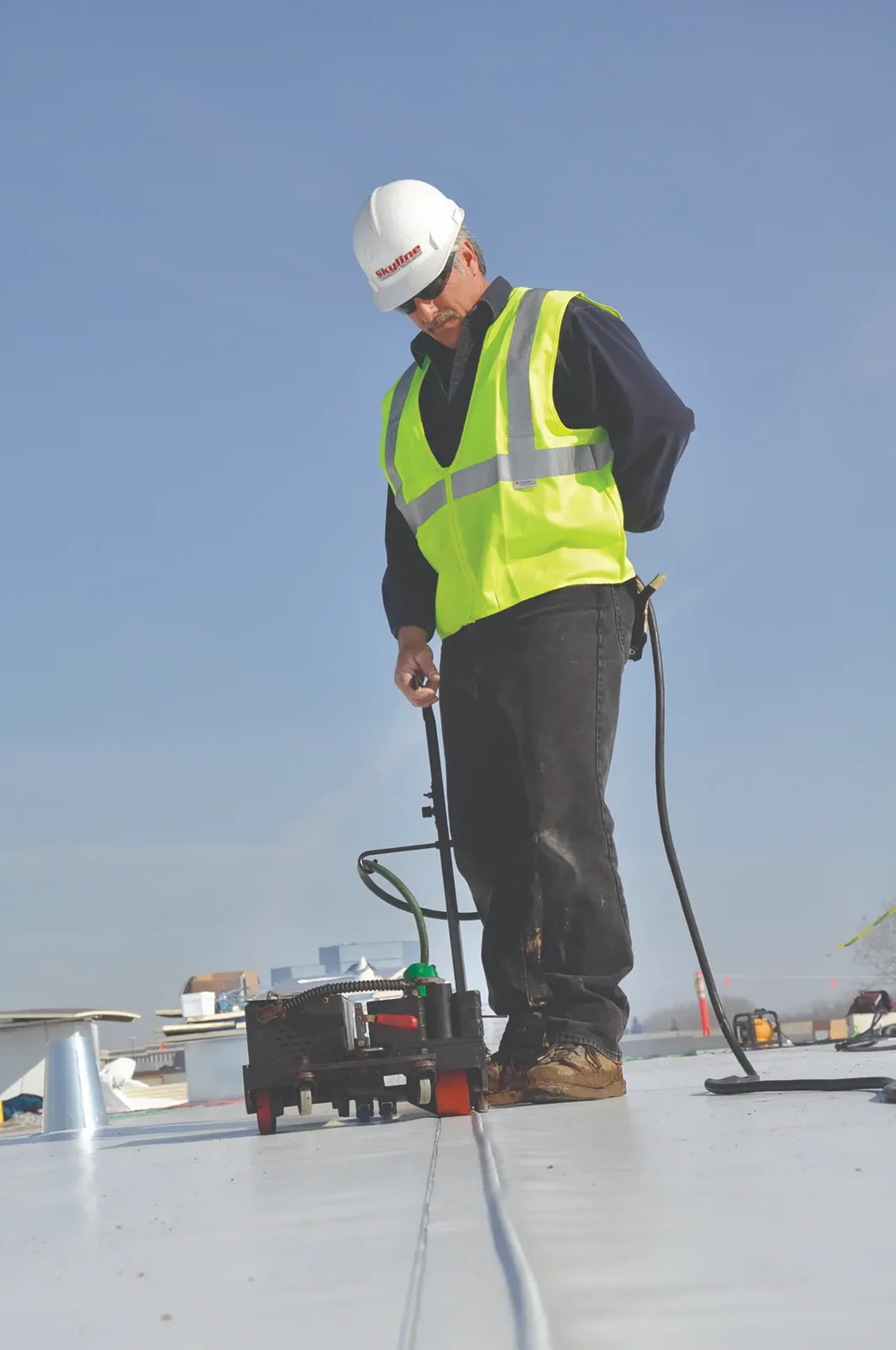
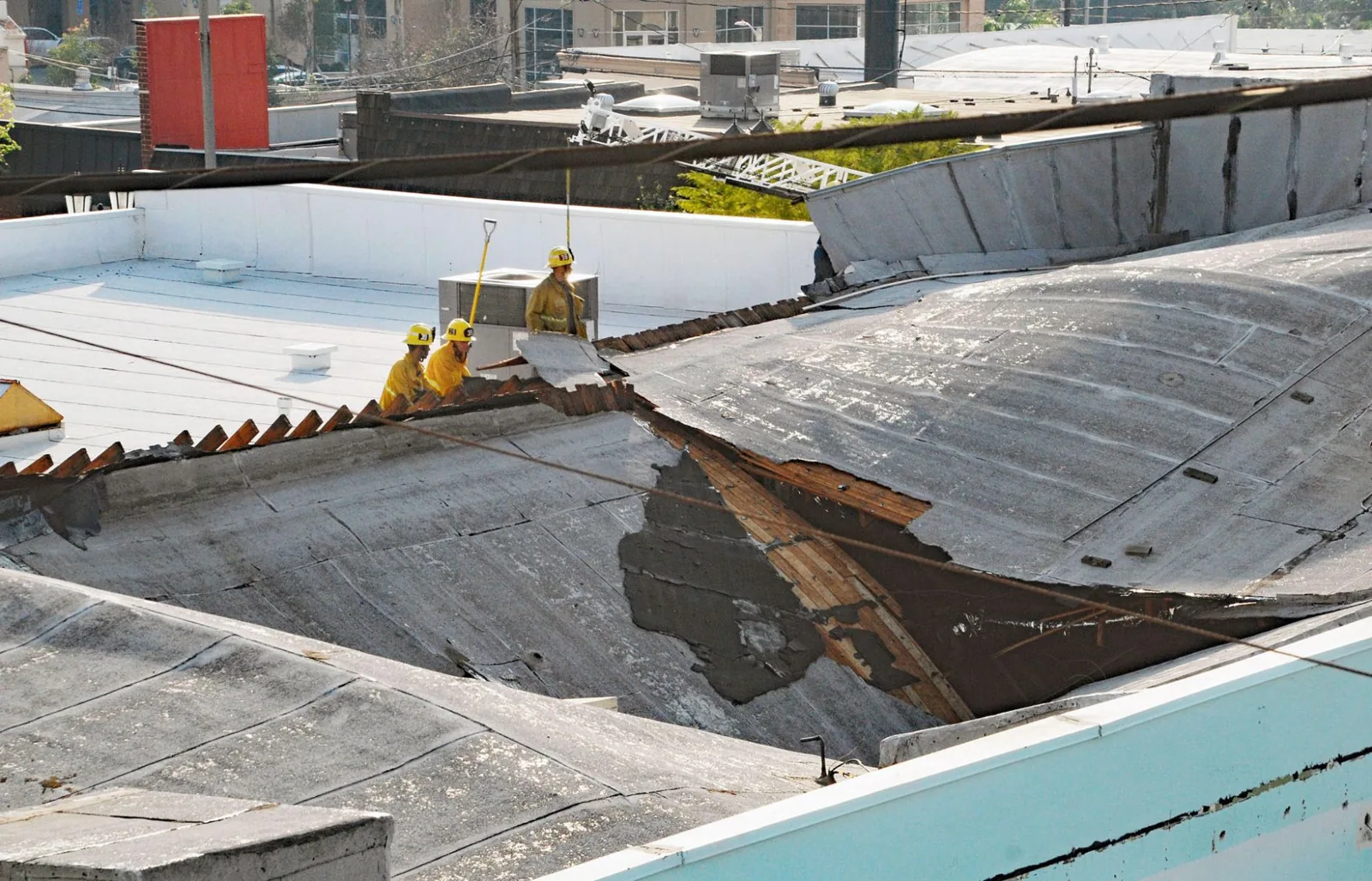
Before selecting a reflective system, we check the membrane condition, seams, flashing, drains, penetrations, and any previous coating. Loose material, open laps, wet insulation, and unstable substrate need attention before a finish is applied. A coating can follow a prepared and compatible roof surface, but it should not be used to conceal a defect that requires repair. We record the condition by zone and identify any area that needs further testing.
South Florida's wet season runs approximately from mid-May through mid-October, with frequent showers and thunderstorms. That constrains cleaning, drying, priming, and coating. Each product has surface and weather requirements. If rain approaches or the substrate is damp, the crew pauses and protects the area.
A commercial roof inspection can establish a roof-zone condition record before the owner decides on restoration. Where moisture is suspected below the membrane, an infrared survey may help locate areas for confirmation. The method, limits, and any follow-up opening are explained before the owner approves the next step.
System choice follows roof condition
Reflective options can include a new membrane or an applied coating system. The right path depends on the current assembly, repair history, drainage, substrate, and intended service-life decision. An acrylic or silicone coating needs a compatible surface and preparation; a reflective membrane needs its own attachment and seam details. We compare the available systems on the building rather than treating color as the deciding factor.
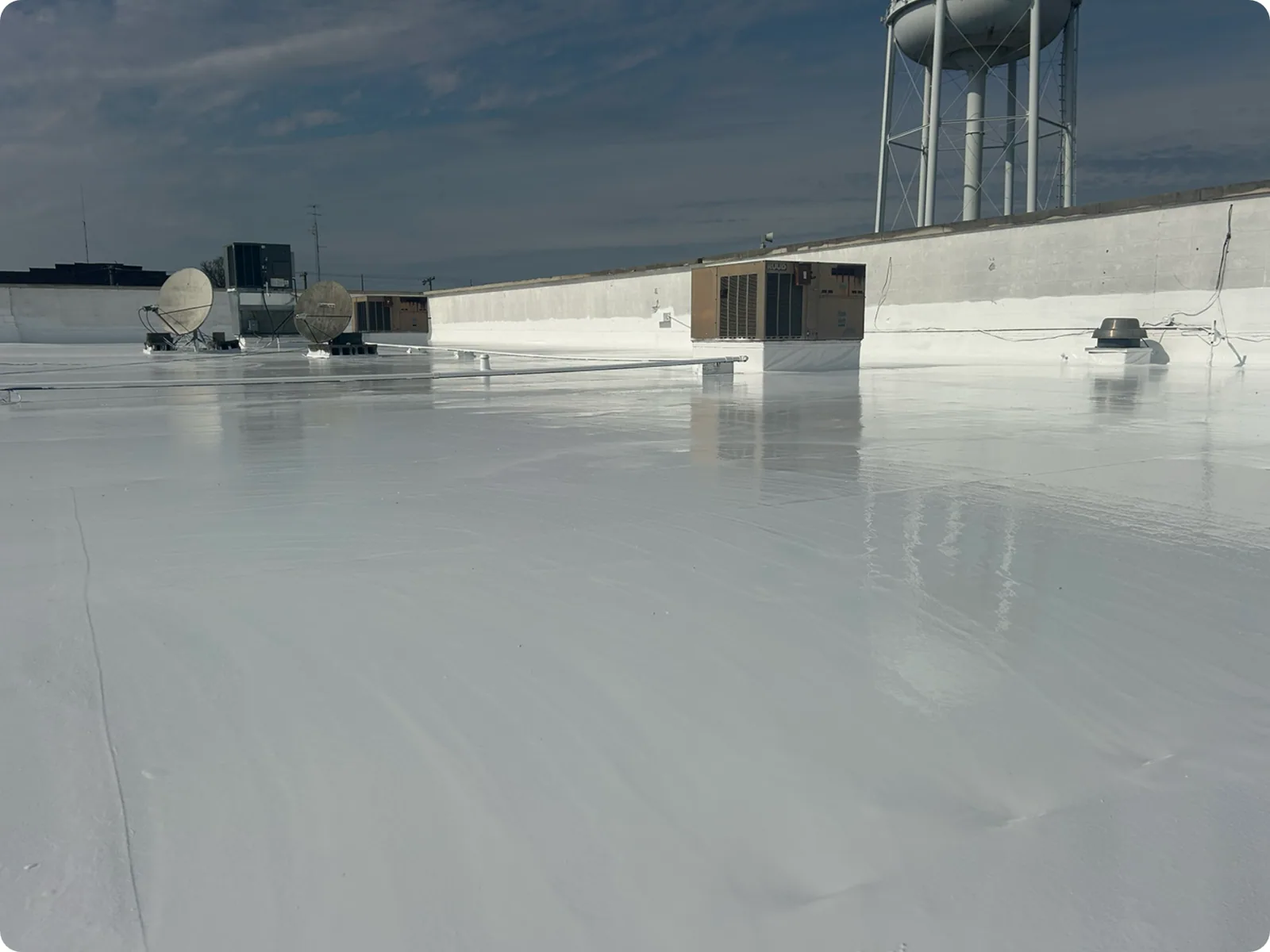
For a coating restoration, adhesion and surface preparation are central. A test patch can show whether the existing finish accepts the proposed coating under the specified preparation. The scope defines the test location, cure conditions, and acceptance decision before broader application. If the surface fails or the assembly contains wet material, the owner receives a revised option rather than a recommendation to coat through it.
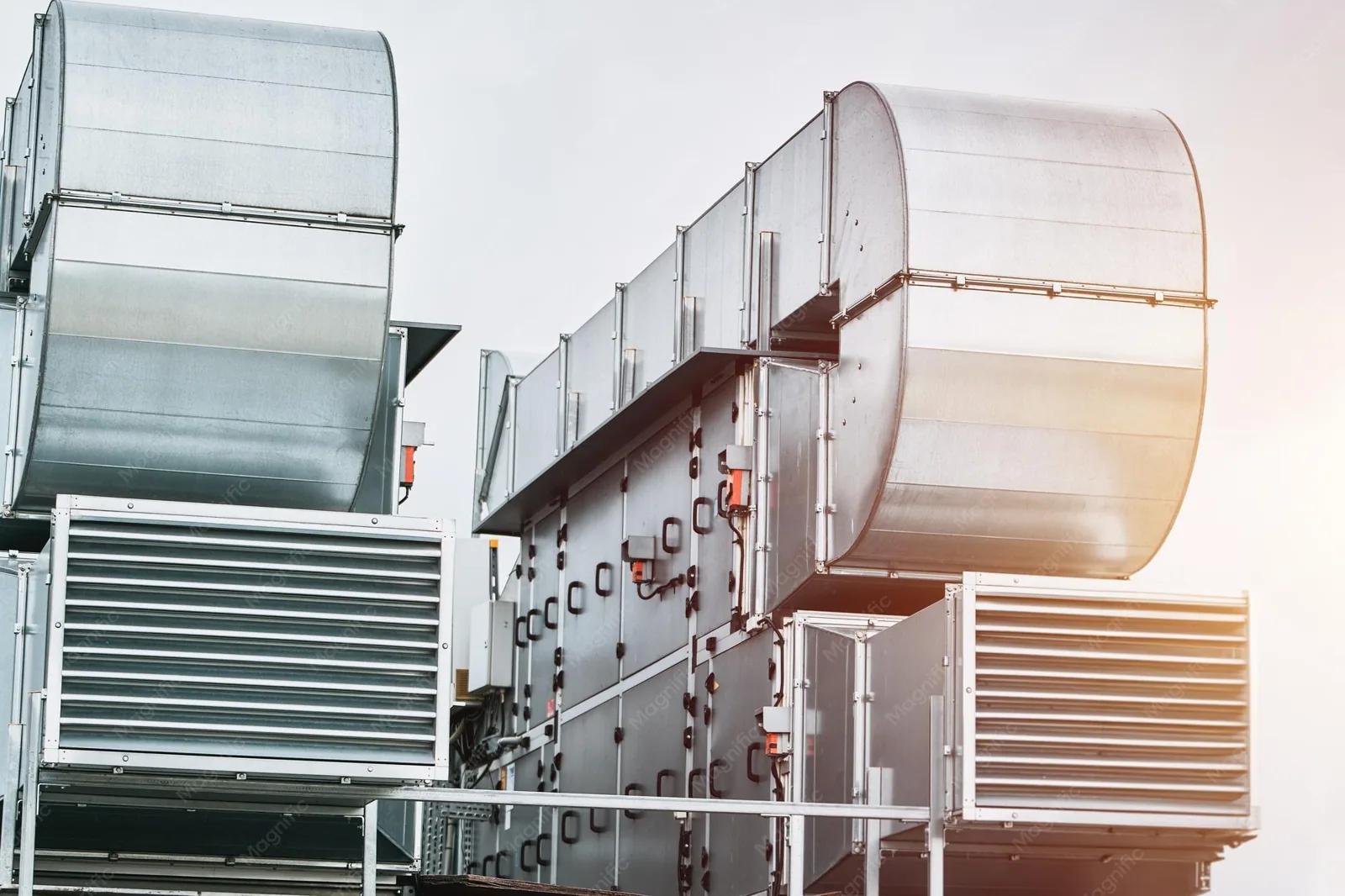
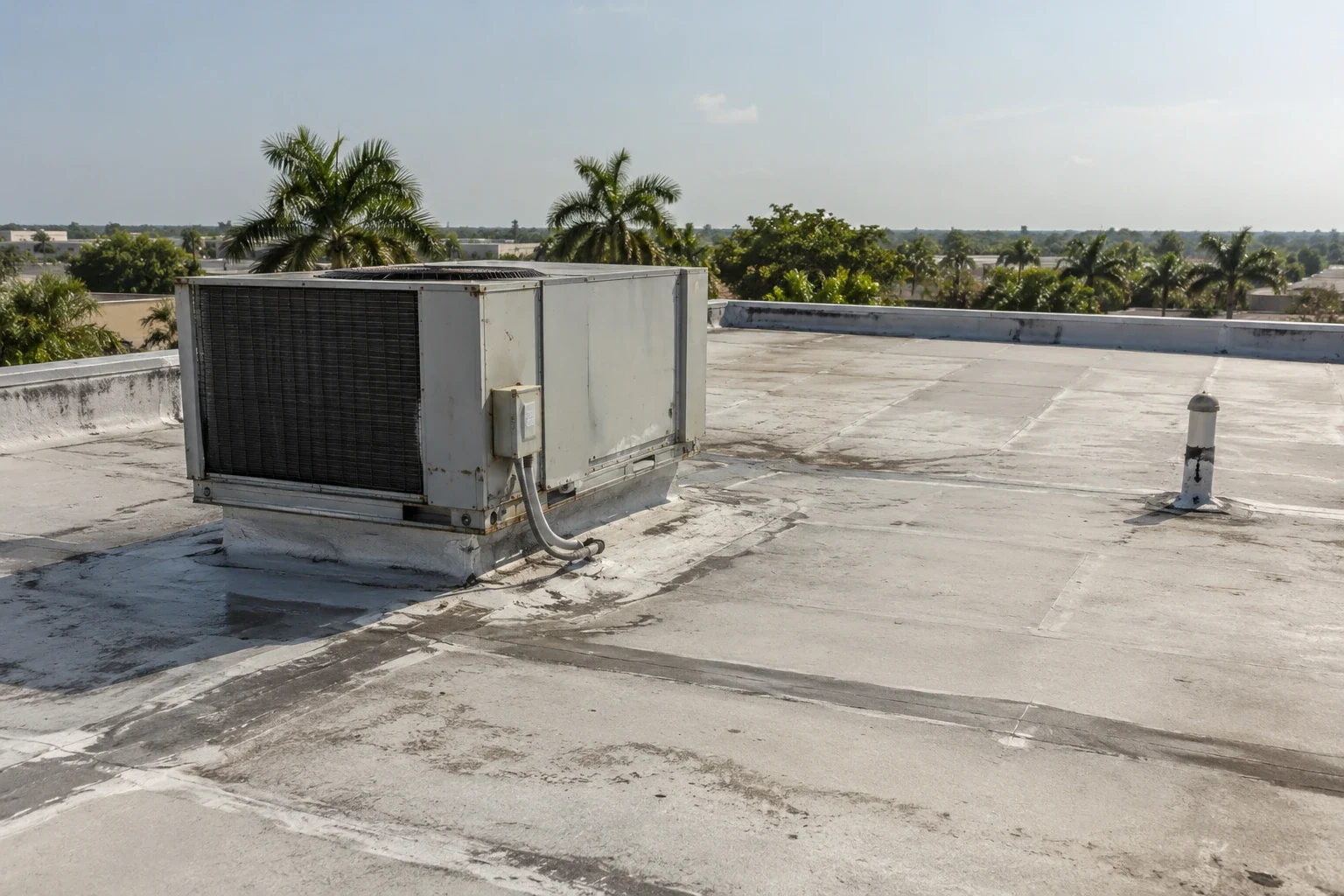
Davie's SR 7 corridor brings industrial, workplace, commercial-service, and technology uses together near institutional campuses. Equipment density and operations can affect access, reflectance concerns, and staging. We map rooftop units, service paths, exhausts, and no-coat exclusions before pricing the work. The SR 7 / US 441 corridor includes industrial, workplace, technology, and service properties with varied equipment and access needs.
Drainage remains part of the finish plan
A reflective system does not correct an outlet set too high, a blocked drain, or a low area caused by roof geometry. We mark drains, scuppers, crickets, and overflow routes before deciding how the coating or membrane will terminate. The plan protects moving or serviceable components and keeps material from entering drain bowls. Where water repeatedly remains after rain, a separate drainage evaluation may be needed before restoration proceeds.
The drain and scupper review can check outlet and flow conditions, while a ponding-water assessment can document persistent low spots. These findings show whether reflective work can proceed. A defective drain connection or membrane detail should be repaired before the finish is applied.
Davie Road runs through the town's downtown planning area, where commercial and mixed-use redevelopment is part of the adopted plan. At sites near the Davie Road corridor, occupied entrances and delivery timing can shape where materials are staged. We confirm the actual building schedule with the manager and keep roof access separate from public or tenant routes.
Weather controls the application sequence
Reflective material needs a sound surface, compatible primer where specified, and suitable weather during application and cure. The work plan identifies cleaning, repairs, masking, test areas, and coating passes by roof zone. We set a daily completion limit that can be protected if a shower develops. If the rain gap closes, the crew stops before leaving an unfinished edge that can admit water or affect adhesion.
Heat affects crew pace and roof-surface temperature. The regional outlook frequently reaches high heat-index values in midsummer, so the manager and field lead coordinate water, shade breaks, and a work window that respects product requirements. An early start can reduce exposure if access and materials are ready. The job record states any weather hold and affected area.
Griffin Road links SR 7 with the airport area and destinations west of the Turnpike. For a property near the Griffin Road corridor, staging and delivery timing may depend on site receiving windows. We coordinate lifts, pallets, and waste handling before dispatch, and verify roof access with the facility contact after confirming the property route with the facility contact.
Expected benefits need a measured basis
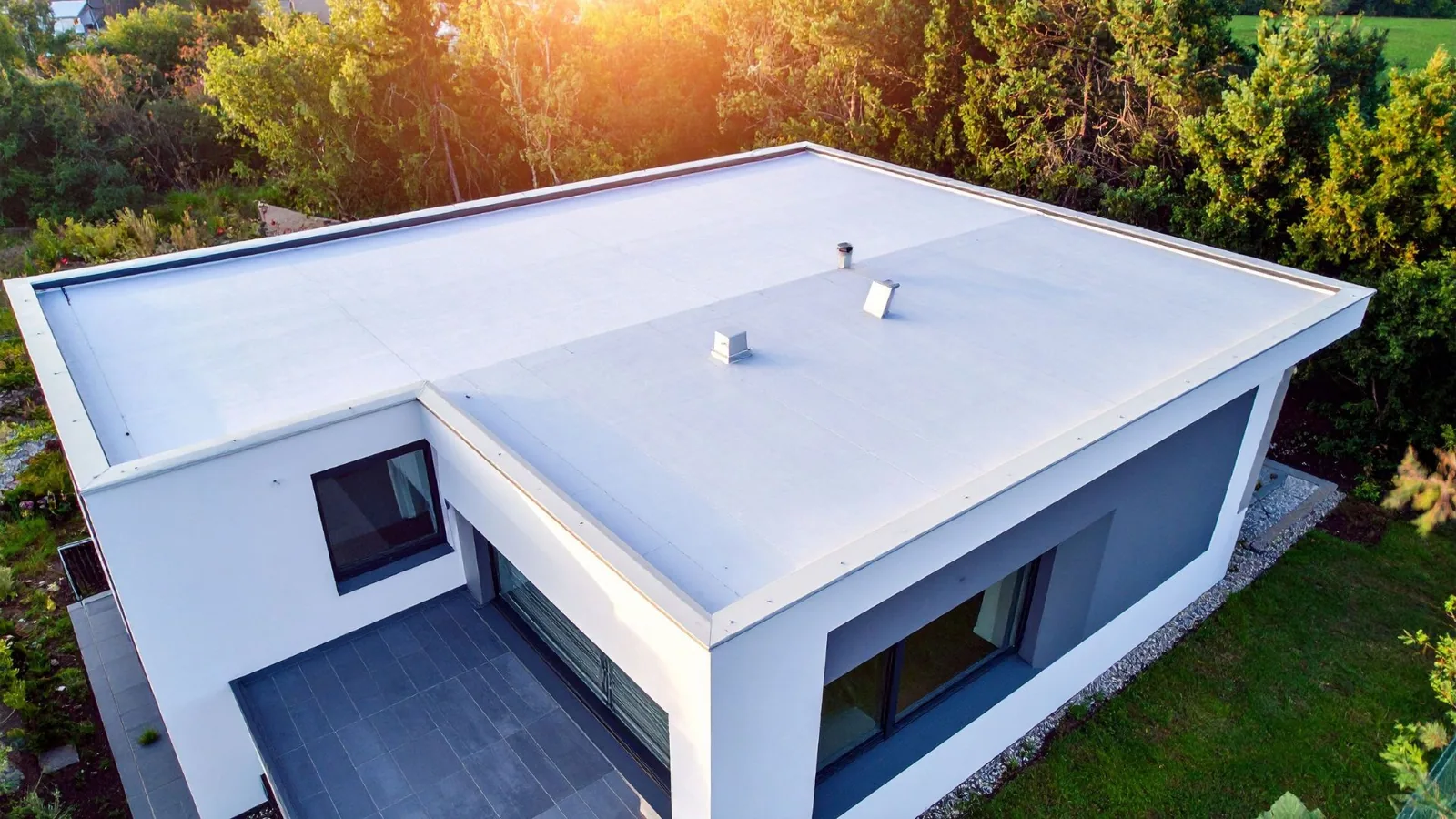
A reflective roof can change how much solar energy the surface absorbs, but the effect on interior comfort or energy use depends on insulation, HVAC operation, occupancy, controls, and the existing roof. A utility projection requires building data and an appropriate analysis. The property manager can compare utility history or energy modeling before and after work when measurement is part of the project plan.
Florida's eighth-edition 2023 Building Code took effect statewide on December 31, 2023. Applicable requirements depend on the project and building. If energy, design, or code review is needed, we identify it separately. The proposal states system type, preparation, coverage, exclusions, and inspection points.
On a roof that is not a candidate for coating, a coating restoration assessment can clarify the failed condition and limits. If the membrane or insulation needs broad replacement, a replacement evaluation may be more appropriate. We explain the alternatives based on observed roof condition rather than selling a reflective finish by default.
The closeout identifies coated zones
At completion, the manager receives the areas prepared and coated, repair details completed first, product or system information, weather holds, photos, and exclusions. The report notes any test area outcome and whether another inspection is needed after cure. It also states how drains, penetrations, and equipment bases were protected during application. A surface should be described as finished only within the documented work boundary.
South Florida rain can test drainage after installation. A post-rain observation identifies roof zones and outlet paths. Tenant hours near Davie's SR 7 area may affect access, so we set the return slot with the site manager.
The final decision belongs to the owner: monitor the finished roof, schedule a maintenance visit, or request another assessment if conditions change. We leave the project record with the material, limits, repair history, and next approval needed. That gives the property team a practical baseline without overstating what reflective work can accomplish.
Related Roofing Work
- Commercial Roof Inspection
- Infrared Roof Moisture Survey
- SR 7 / US 441 Corridor
- Commercial Roof Drains and Scuppers
- Ponding Water Roof Repair
- Davie Road Corridor
- Griffin Road Corridor
- Commercial Roof Coating and Restoration
Browse every page in Commercial Roofing Services, or request a roof assessment and we will walk the roof with you. Call 555-555-5555.
Questions Owners Ask
Will a reflective roof lower this building's electric bill?
It may reduce solar heat absorption at the roof surface, but utility impact depends on insulation, HVAC equipment, operating hours, controls, and other building conditions. Any savings estimate depends on suitable analysis and the building's energy data.
Can a coating go over an existing commercial membrane?
Only if the membrane and substrate are dry, stable, compatible, and properly prepared. We inspect seams and details, may request a test area, and define repairs or exclusions before application.
What happens if the roof has ponding water?
We map the low area and inspect outlet paths before recommending a reflective finish. A coating does not correct drainage geometry or an obstructed drain. The owner may need a separate drainage or design review first.
How does Davie's wet season affect coating work?
Rain and humidity can limit cleaning, drying, application, and cure windows. The crew works by roof zone, follows the selected system's conditions, and secures the stop point if an afternoon shower changes the plan.
How will the owner know which areas were coated?
The closeout identifies roof zones, repairs, exclusions, photos, and any weather holds. It also states whether a test area was used and what inspection or monitoring remains.
Share the roof system if known, leak and ponding history, equipment layout, occupancy limits, and access window. We will inspect compatibility before proposing a reflective scope.
