Commercial Roofing in Liberia-Oakwood Area, Hollywood, FL
Arrange a Liberia-Oakwood Roof Visit
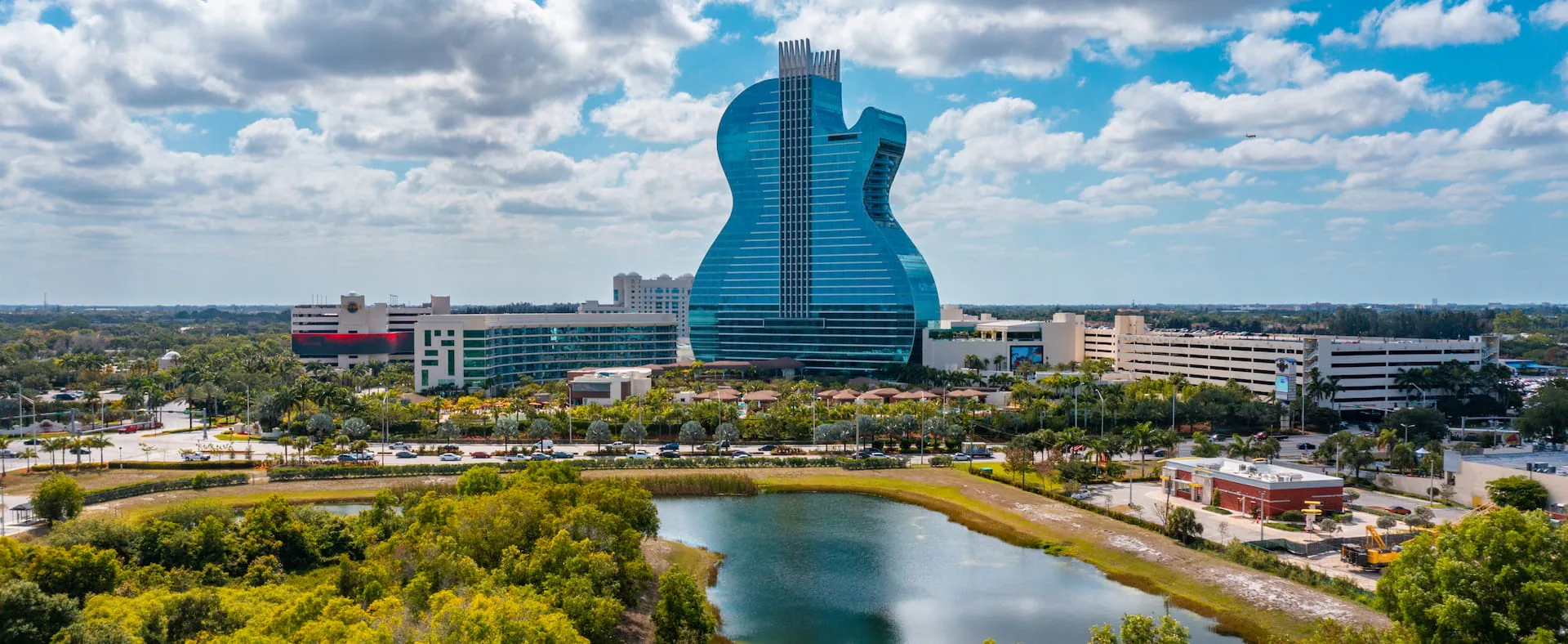
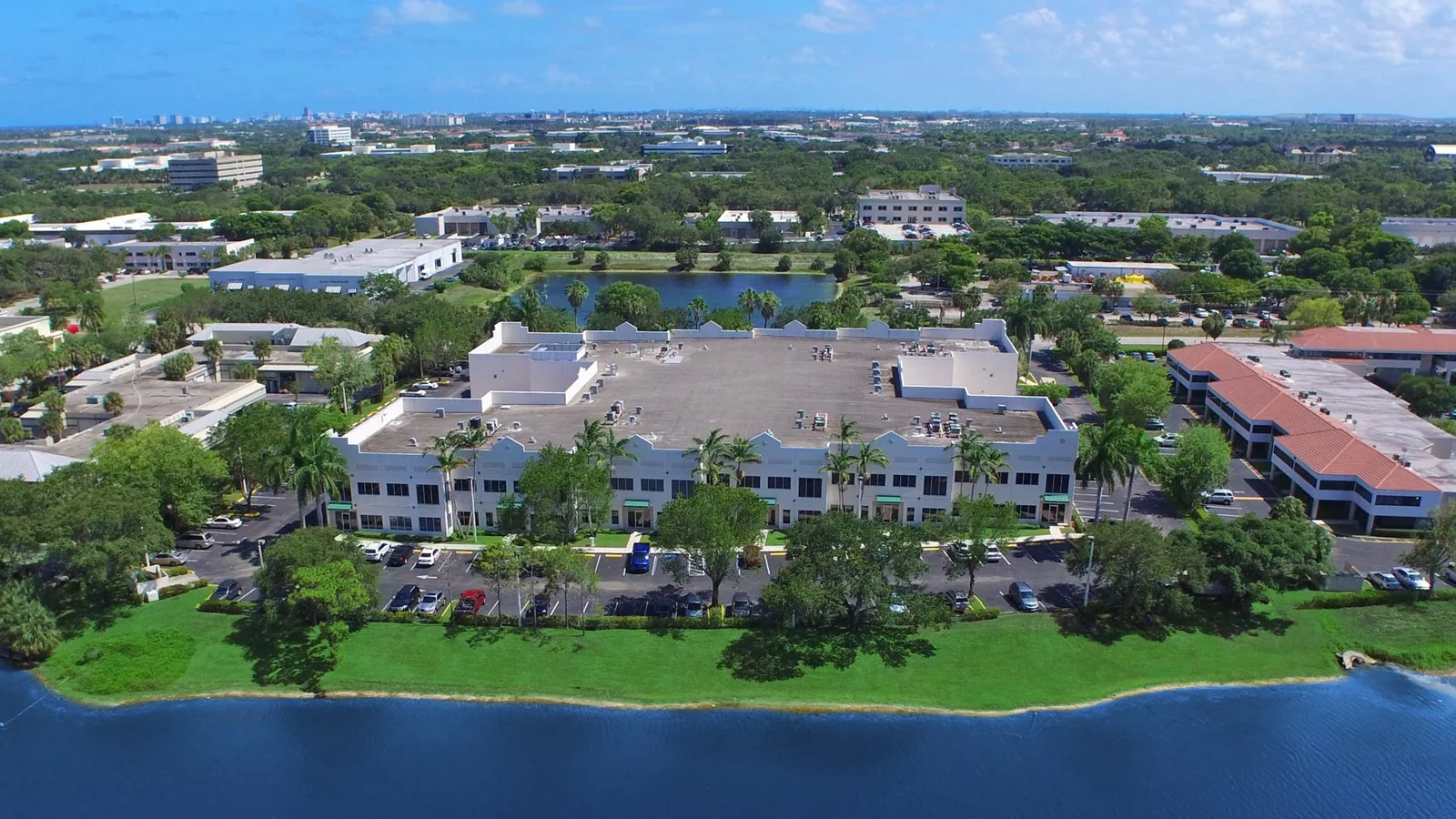
Frequent rain can close a roof opening before a crew finishes a planned section, so the protection line has to be clear at the start. In Hollywood’s Liberia-Oakwood area, we inspect the roof assembly and confirm the property’s access rules before recommending repair or replacement. Anglers Avenue and the FEC rail corridor frame the district on one axis, while Sheridan and Stirling streets mark the other limits. It includes the South Florida Design and Commerce Center within a broader multi-block commercial area. Those boundaries make this a real service district, not a page for one tenant or building. Nearby Hollywood properties and the Design and Commerce Center each need their own inspection findings.
Work from the Actual Roof Layout
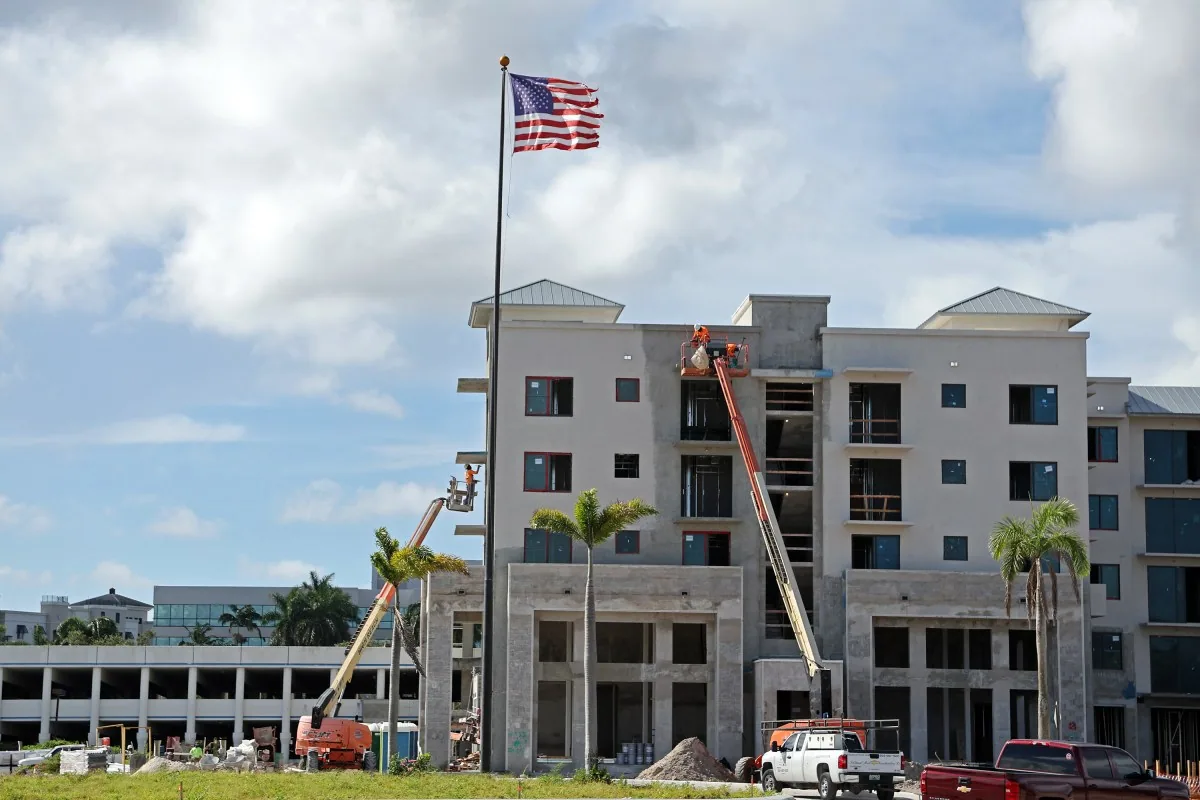
The first inspection identifies the visible roof covering, seams, transitions, curbs, penetrations, drains, edges and previous repairs. We note what can be reached, whether equipment restricts the work path, and which part of the roof relates to an interior leak report. Any area requiring a lift, escort, or temporary shutdown is marked before a second visit is scheduled, so the right access approval is ready. A ceiling mark is useful location information, but water can travel along the assembly before it appears below. We trace plausible paths and separate visible openings from suspected moisture that needs measurement or selective access.
The Liberia-Oakwood designation includes a broad commercial district and surrounding areas rather than a single property footprint. Its boundary context can help a property manager identify the service area, while building access is still determined by the manager and current site conditions. We ask about deliveries, gates, tenant notice, pedestrian circulation and any work already planned on the property. A roof inspection can organize the findings by zone. If the defect is isolated, a flashing repair review can address the detail without assuming every surface needs replacement.
Close Each Area Before Weather Turns
South Florida’s wet season extends roughly from mid-May through mid-October and brings frequent showers, thunderstorms and humid conditions. We plan the day so the amount of roof opened can be closed with temporary protection before a weather hold. The crew and property manager agree on the dry-in line and the stop signal for lightning, rain, unsafe wind or slick footing. If conditions change, the open zone closes first. That limit also guides how materials are staged and what work can continue safely.
Fort Lauderdale averages 60.95 inches of rain annually. In Liberia-Oakwood, we inspect the building's drains, overflows, and membrane transitions directly. We inspect drains, scuppers, overflow provisions, roof slopes and low spots at the property. If water remains around a curb or outlet, we identify whether it needs clearing, a detail repair, or further assessment of the substrate. A drainage review can document outlets and flow paths, and an infrared moisture survey can help locate areas that need selective investigation.
Make Site Access Part of the Sequence
Because the district spans multiple blocks, each property has its own loading, tenant and roof-access rules. We confirm whether a ladder or hatch is available, where equipment can be staged, which entrance remains open and whether an escort is required. If work affects a service route or an occupied room, we identify the protection and notice needed before the crew arrives. These limits can change the number of roof zones that fit into a shift and should be stated in the schedule. We also agree on where temporary materials stay dry, how roof debris leaves the property, and which access path must remain clear for occupants during the work.
Hollywood’s regional commercial network connects to the Florida Turnpike, I-95, CSX rail and FEC rail. Those connections describe the city’s context, but they do not establish how a particular building handles deliveries or material lifts. We confirm staging directly with the property manager. For an occupied commercial building, an occupied-site sequence can separate work areas from tenant movement and define a handoff when rain interrupts a shift. If edge details or gutters are included, a perimeter scope can be coordinated with the field membrane rather than left for a later visit.
Make the Material Decision from Evidence
A repair may fit a localized seam, flashing or penetration failure if nearby materials remain serviceable. Recover depends on layer count, moisture, attachment, substrate and design limits. Replacement may be more appropriate when deterioration crosses several roof zones or concealed conditions have affected the assembly. We describe the observations behind the choice, identify any inaccessible portion, and state whether further testing could change the work. The opportunity-zone boundary does not indicate a roof’s age, material or condition.
Project cost and timing can move with tear-off quantities, wet insulation, deck repairs, drains, perimeter details, equipment access, waste handling and the hours available for roof work. In Liberia-Oakwood, managers can help settle tenant notice and material arrival before the proposal is finalized. Florida’s current statewide code is its eighth edition from 2023, effective December 31 of that year. Permitted work must be checked for the particular building and scope. A replacement proposal should show the included assembly and protection, while a maintenance visit can keep accessible drains and details on a later inspection schedule.
Tie Photos and Decisions to Each Zone
The written handoff identifies roof sections reviewed, the condition noted at each transition, photographs, and any area deferred because of weather or access. We list repairs completed separately from suspected moisture or a test still needed. If the property manager approves additional removal after a concealed condition appears, the record can show what changed and why. That keeps the job understandable when facilities staff or ownership contacts change.
The city’s designation includes the broad South Florida Design and Commerce Center within the Liberia-Oakwood opportunity-zone area. That district context supports service across the area, but our closeout stays with the individual building inspected. We state what is complete, what needs follow-up, and which approval remains. A condition record can preserve those observations for future maintenance decisions; it does not replace another inspection when conditions change. The property manager leaves with a roof-zone record and a clear window for the next step. For multi-tenant sites, we also note open entrances, temporary drainage protection, and who can release each work area after inspection.
Related Roofing Work
- Hollywood
- South Florida Design and Commerce Center, Hollywood
- Commercial Roof Inspection
- Commercial Roof Flashing Repair
- Commercial Roof Drains and Scuppers
- Infrared Roof Moisture Survey
- Occupied Commercial Building Reroofing
- Commercial Roof Replacement
Browse every page in Service Areas, or request a roof assessment and we will walk the roof with you. Call 555-555-5555.
Questions Owners Ask
How broad is the Liberia-Oakwood service area?
The service area covers a multi-block commercial district that includes the South Florida Design and Commerce Center. For a specific project, we confirm the property’s position within the wider Liberia-Oakwood area and inspect its roof separately.
Does the opportunity-zone status tell you what roof is present?
No. It identifies a commercial and redevelopment area, not a building’s roof system or condition. We inspect the actual assembly and document visible details before proposing work.
Can you inspect while a business is operating?
We coordinate the access route, tenant notice, equipment limits and any interior protection first. The inspection can be organized by roof zone, with inaccessible areas listed for follow-up.
What if rain arrives during membrane removal?
The crew closes the active area at its planned dry-in line and stops if the surface or access is unsafe. Work resumes when conditions are suitable and the next zone can be protected within the available window.
How do you decide whether to repair or replace?
The decision follows the failure extent, moisture, substrate, drainage and condition of surrounding details. We explain what the inspection supports and which test or opening could change the scope.
Share the building’s roof history, access route, tenant schedule and available work window. We can inspect the assembly, map drainage and prepare a work scope for the property.