
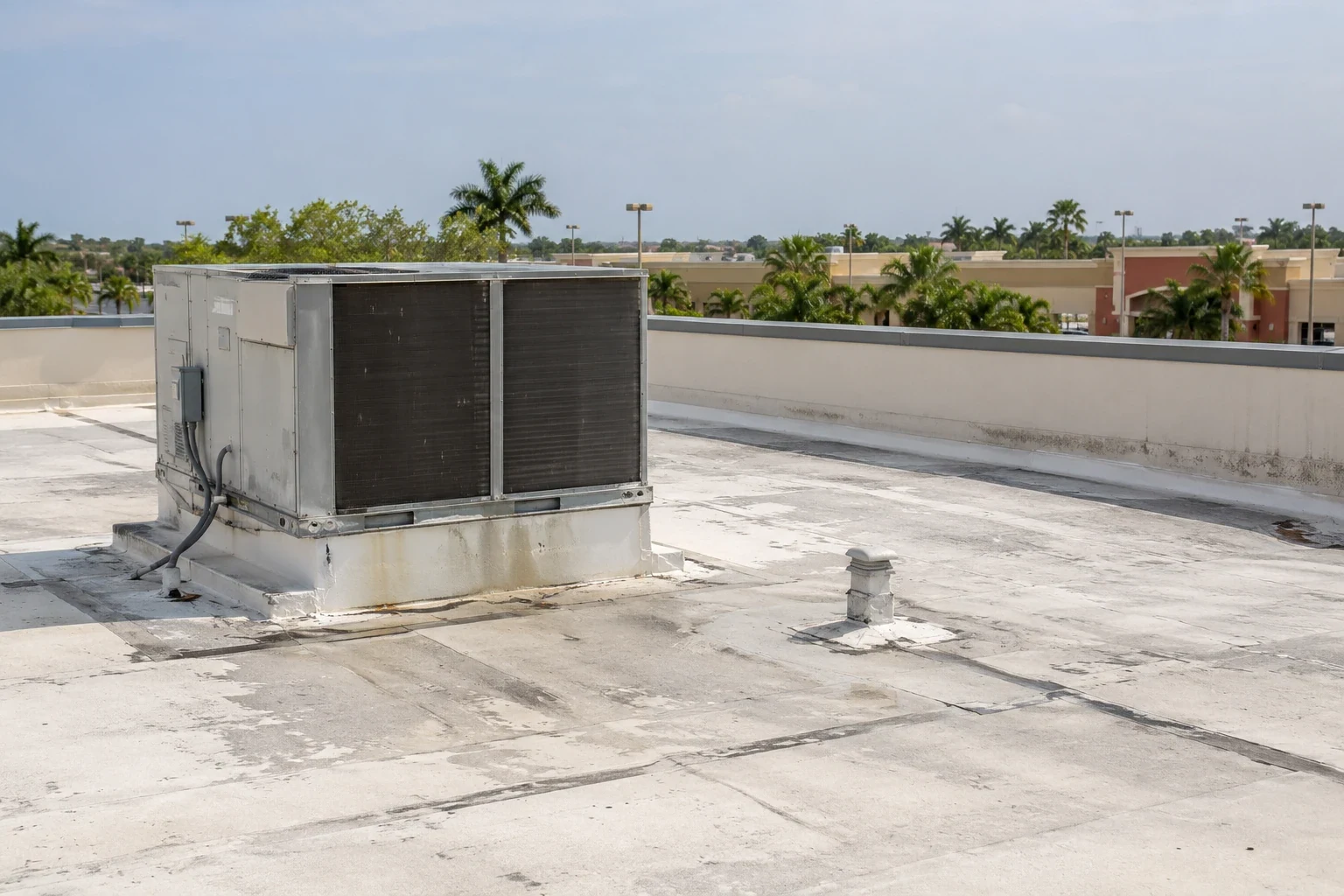
Shopping Center Roofing in Davie, FL
Coordinate a shopping center roof visit
An active retail center may have customers under several connected roof sections when rain approaches. We first locate the reported water, agree on an access route with management, and mark the area that can be protected during the visit. Tenant circulation and the closure boundary are confirmed before any material is lifted. Each roof section is inspected on its own terms, even when several tenants share a continuous building.
Pembroke Pines has a commercial inventory exceeding 10 million square feet. Much of it lies along Pines Boulevard and includes shopping centers, industrial parks, and office parks. That retail corridor reflects the region’s active property-management environment; our inspection still starts with the center’s installed assembly and drainage. We inspect the installed assembly, map drainage paths, and make a repair plan that keeps tenants and building staff informed.
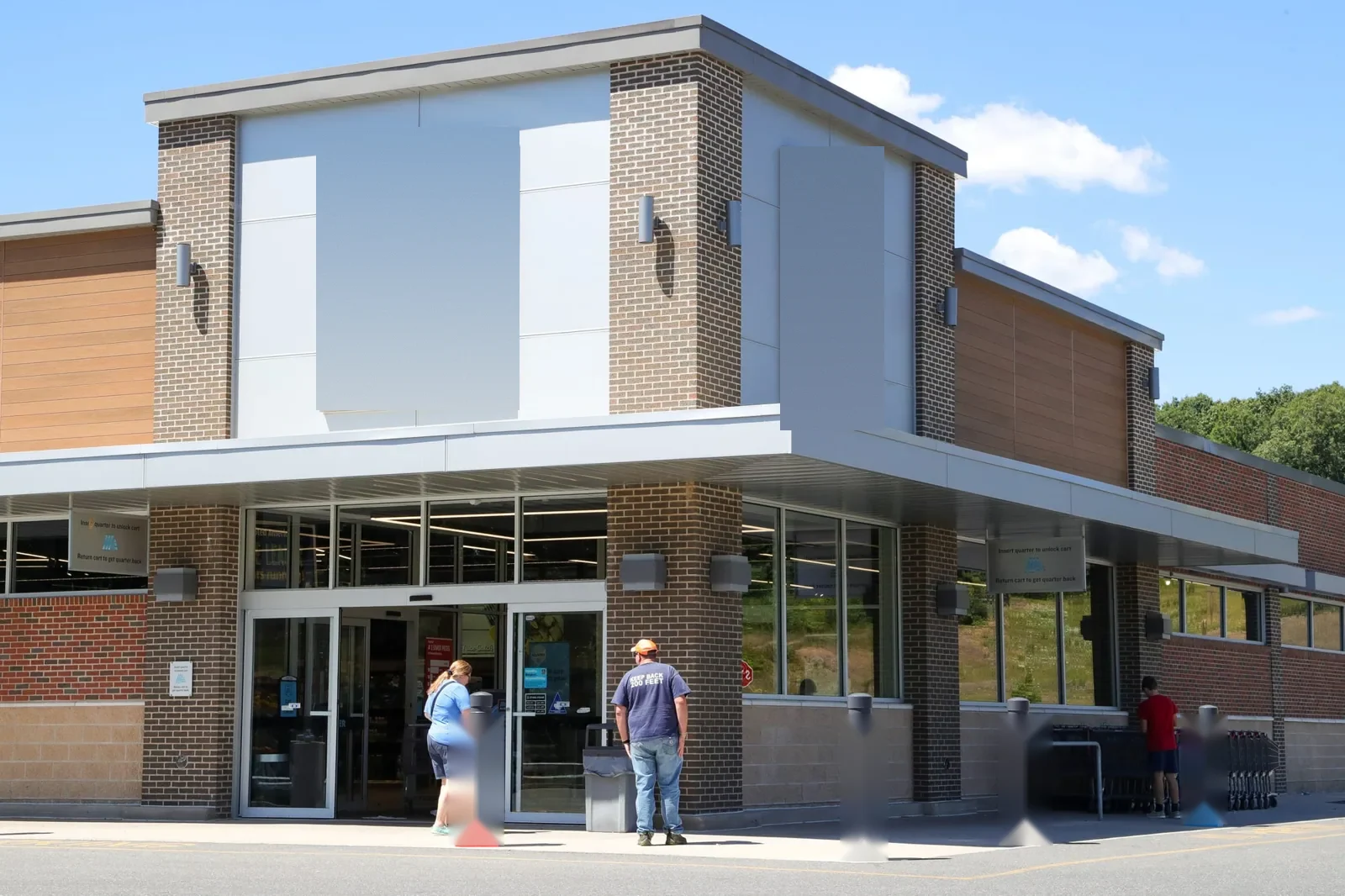
Tenant access follows the roof zone
A roof repair above one suite can affect neighboring storefronts if water has traveled, equipment shares a curb, or staging blocks a service lane. We locate the reported area, check the roof boundary above it, and coordinate with management on tenant notices, delivery hours, and lift access. The notice should name the route or time affected, not imply a center-wide shutdown when the work zone is limited.
Davie Road is a key commercial and mixed-use corridor in the town’s downtown planning area, while Pines Boulevard carries much of Pembroke Pines’ commercial development. Both offer useful local context for active retail properties. At the site, the access slot depends on the center’s loading pattern and customer circulation. A phased occupied-building roof project can separate work areas and maintain a clear handoff as the crew moves from one tenant block to another.
Shared drains connect separate suites
Continuous retail roofs can direct water across multiple suites toward a limited set of drains and scuppers. We check strainers, leaders, overflow paths, low points, and membrane condition around each outlet. A blockage above one tenant can cause water to appear at another suite, so we compare roof observations with interior reports from management. Each condition is marked by roof zone and suite reference, protecting the distinction between a confirmed cause and a suspected path.
Davie’s rainy period generally spans mid-May to mid-October, with showers and thunderstorms recurring through the season. The center’s drain routes and the time needed for secure closure therefore belong in the work schedule. If the outlet connection is the problem, drain and scupper repair can be scoped separately from seam or flashing work. The property manager receives any access limit before the roof is opened.
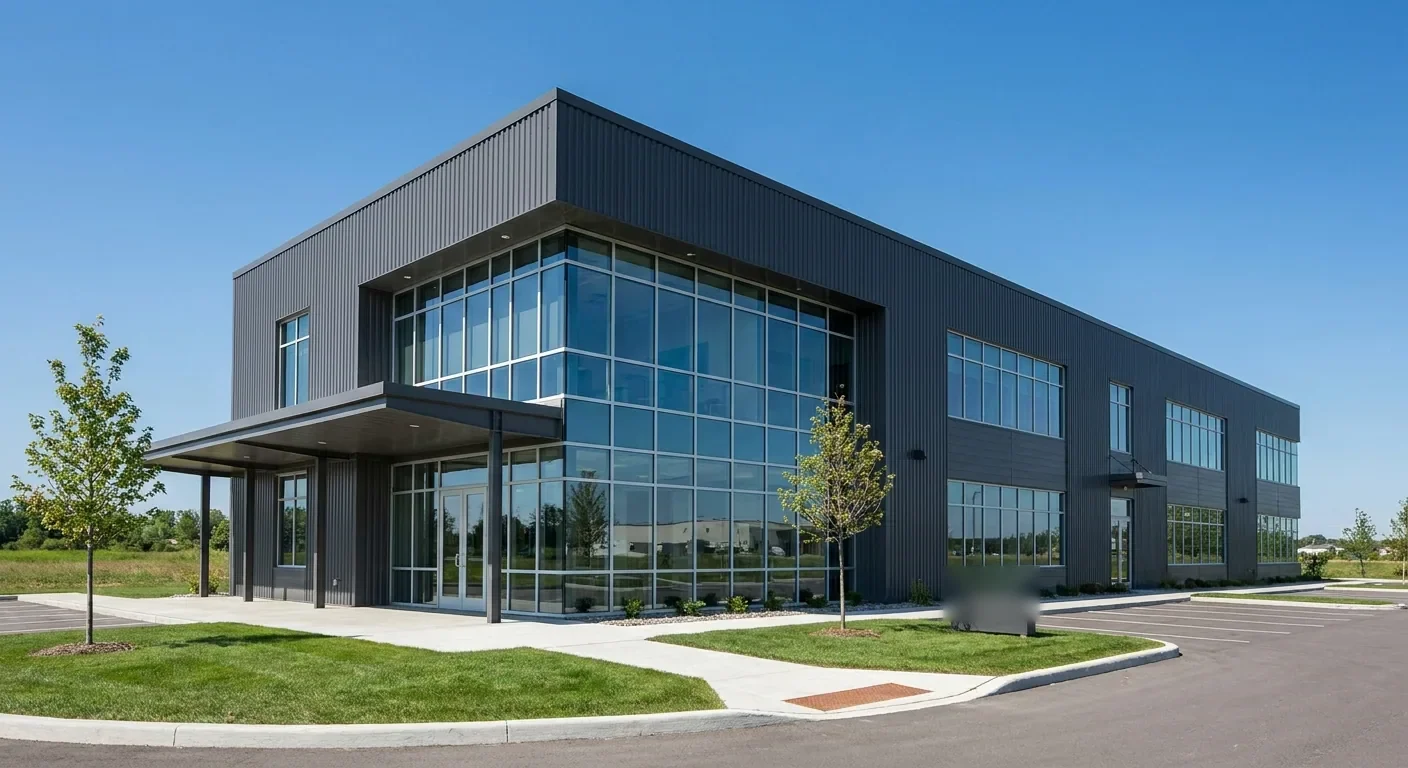
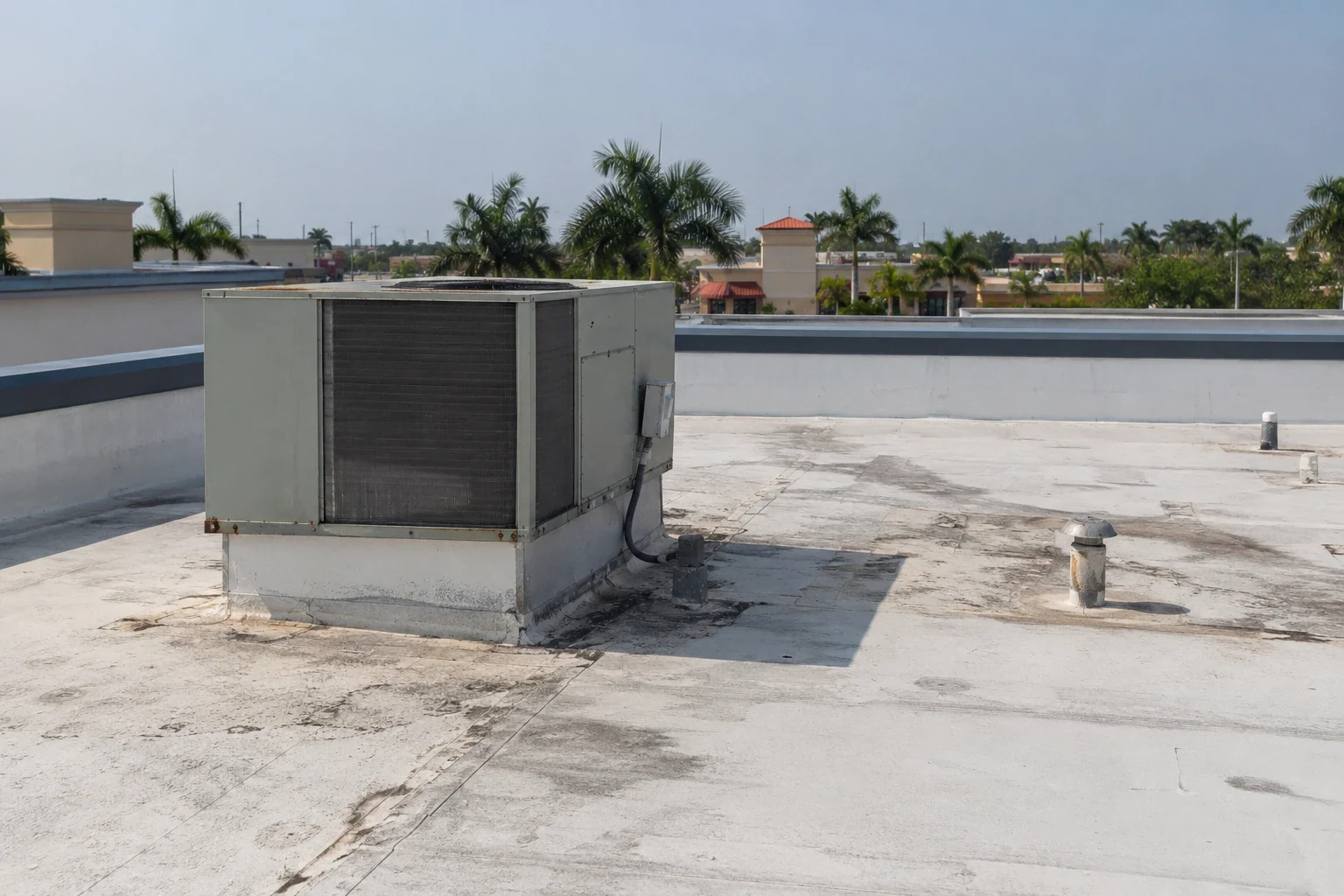
Tenant lines do not define membrane edges
Lease boundaries below the roof do not always match seams, expansion joints, or drainage divisions above. We inspect transitions, curbs, penetrations, perimeter metal, and any earlier patch to understand how the assembly continues across the building. If a shopping center has additions, the roof may change materials or elevations from one section to the next. We identify those changes before recommending a repair that must tie into sound material.
A single-ply membrane needs compatible repair materials and careful seam preparation. Metal canopies and roof sections require attention to fasteners and panel laps. A TPO membrane repair or other system choice depends on what is installed, not the type of tenant below. A big-box retail roof has different access scale, while a grocery store may have refrigeration equipment and delivery limits that affect the work window.
Weather sets how much roof can open
Heat, humidity, and short rain bursts affect surface preparation, material handling, and the time available to close a section. A tropical system may keep wind and rain in the region after an ordinary afternoon cell would have passed. We scale the exposed area to the forecast, prepare the closure material, and update management as each roof zone is secured.
Retail operations may remain active late into the evening or open on weekends, so a quiet hour is confirmed with the center’s manager rather than assumed. Emergency response can be reached any hour, including weekends and holidays, but safe access determines immediate work. A storm review records visible conditions and temporary protection without treating a regional alert as evidence that every roof was damaged. Closeout notes which tenants or access routes may need follow-up.
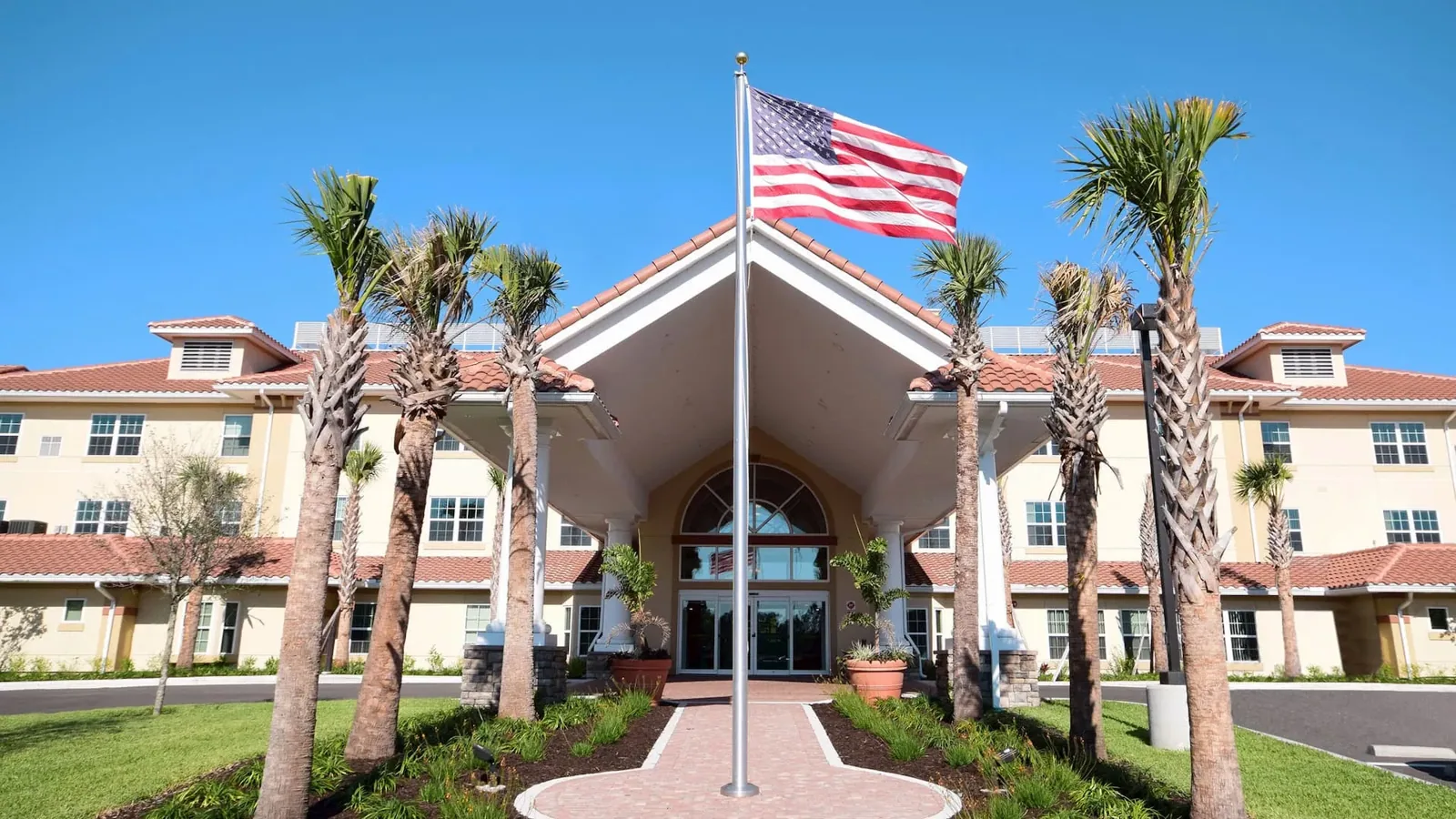
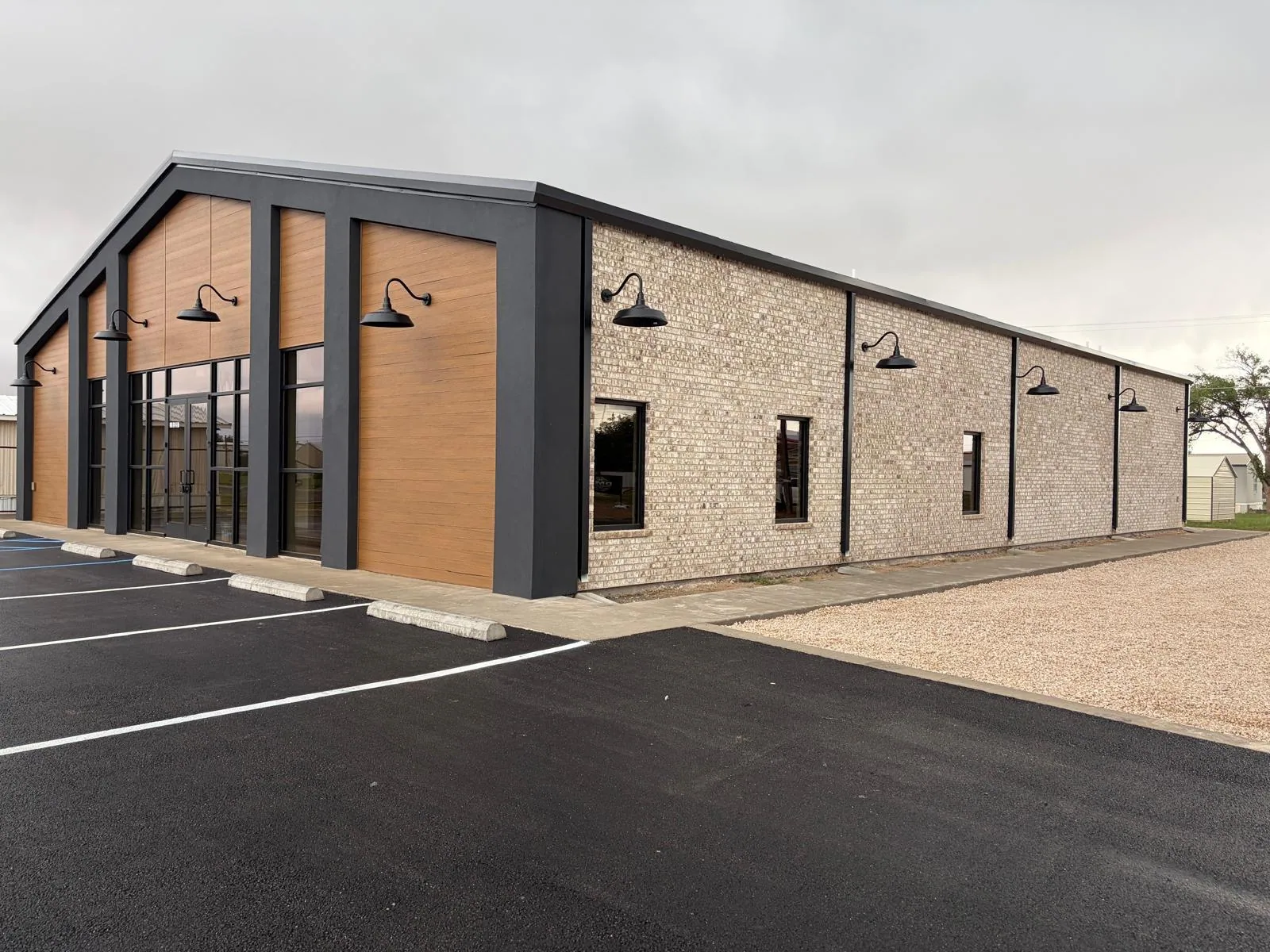
The work scope separates tenants from systems
A localized flashing failure may require a focused repair. Repeated leaks across several suites, wet insulation, or deteriorated seams can call for broader testing or replacement planning. We explain what was observed and what remains uncertain before proposing a coating, recover, or removal. A coating cannot resolve trapped moisture or failed drainage. Any test opening gets a location, closure detail, and approval before work starts.
Downtown Oakland Park has mixed-use commercial and retail activity, while Coral Springs has Commerce Park and a downtown commercial center. Those mixed commercial districts make clear why retail roof work needs an access plan that fits active tenant areas and shared service routes. We connect each recommendation to the building under review. A commercial roof inspection establishes the condition map, and roof condition reporting gives management a basis for repair priority and capital approval.
The closeout keeps center management aligned
After work, the manager receives the zones inspected, tenants or routes affected, repairs completed, and any area not accessed. Photos link to the roof plan, with temporary dry-in separated from permanent correction. We record whether a weather shift or delivery conflict changed the sequence and name the next approval. The same record can support tenant communication without sharing details that belong only to a different suite.
For a center near the Pines Boulevard commercial corridor, we coordinate roof access with deliveries and tenant circulation, then record findings by zone. For routine review, preventive maintenance can track drains, seams, and open items across scheduled visits. The final handoff says which roof zone is ready, what remains protected, and when the next access slot can be used.
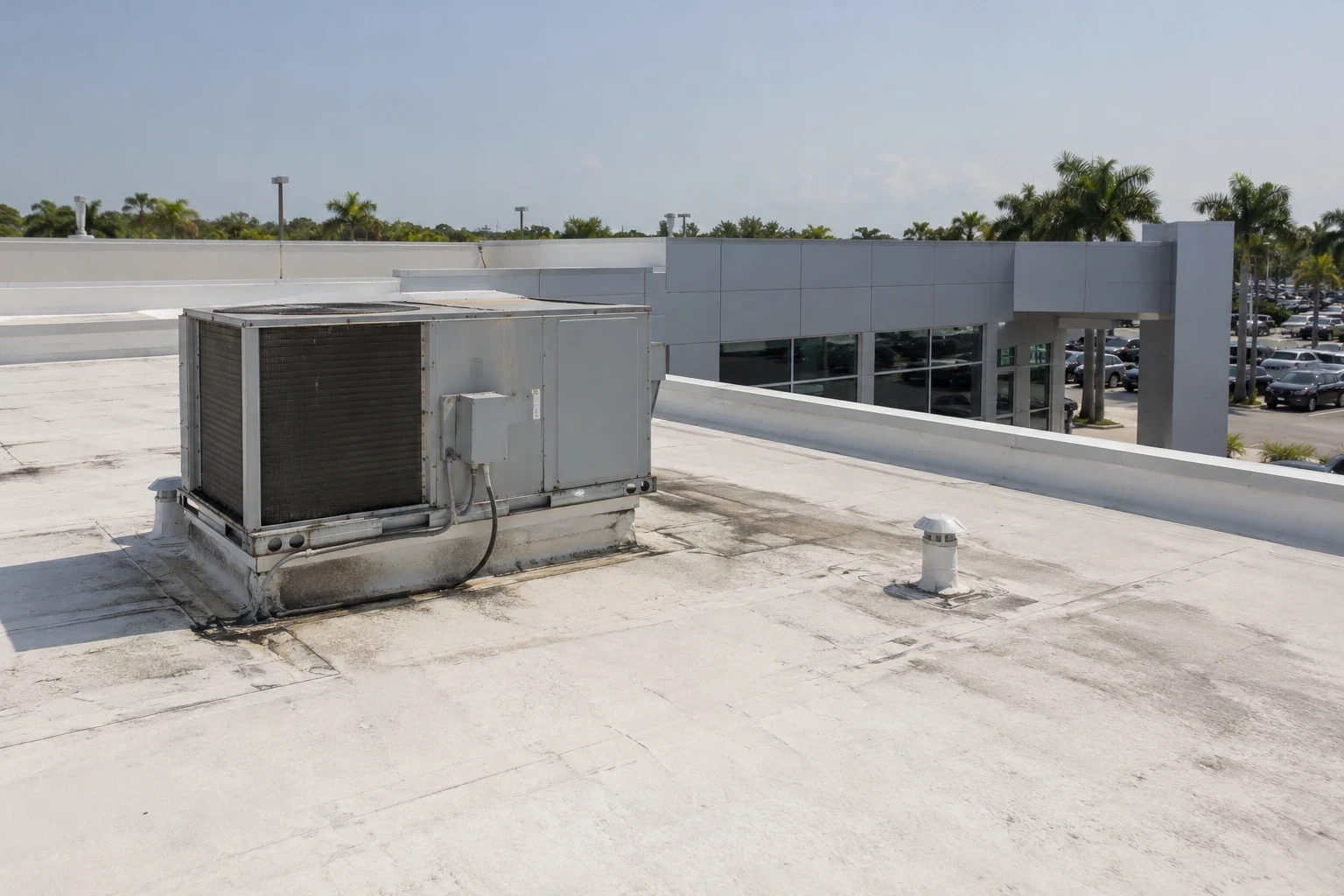
Related Roofing Work
- Occupied Commercial Building Reroofing
- Commercial Roof Drains and Scuppers
- TPO Roofing for Commercial Buildings
- Big-Box Retail Roofing
- Grocery Store Roofing
- Commercial Storm Damage Roof Repair
- Commercial Roof Inspection
- Commercial Roof Condition Reports
Browse every page in Property Types We Roof, or request a roof assessment and we will walk the roof with you. Call 555-555-5555.
Questions Owners Ask
Can repairs be limited to one tenant’s roof area?
The roof is scoped by its assembly, seams, drainage, and transitions, not solely by the lease line. We map the affected zone and note where the repair could extend into shared roof details. Management can then notify the specific tenants and routes affected by the approved work.
Why might a leak show up in a neighboring suite?
Water can travel beneath the membrane or along a deck before it becomes visible inside. We inspect the path from the reported location toward drains, seams, penetrations, and roof transitions. The report separates what was observed from any area that needs additional testing.
How do you avoid blocking deliveries?
We coordinate lift placement, material staging, and roof access against receiving hours and service-lane rules. If the work cannot be separated from a delivery route, the schedule moves to an approved window. The manager receives the route and work boundary before tenants are notified.
Will a retail roof coating fix every leak?
No. Coating depends on a sound, compatible surface and cannot correct wet insulation, failed drainage, or an open detail that needs repair. We inspect the system and explain whether coating is suitable or whether a localized repair or different scope is required.
What should the center manager receive after a visit?
The closeout should name roof zones reached, findings, repairs completed, photos, access limits, temporary protection, and next approvals. It should also say whether tenant routes or delivery timing changed. That gives management a usable record for the next maintenance or repair decision.
Share the leak report, tenant and delivery schedules, roof access rules, and available work window. We will map the affected roof zone and protection plan for your Davie-area center.
