Grocery Store Roofing in Davie, FL
Set the grocery roof work window
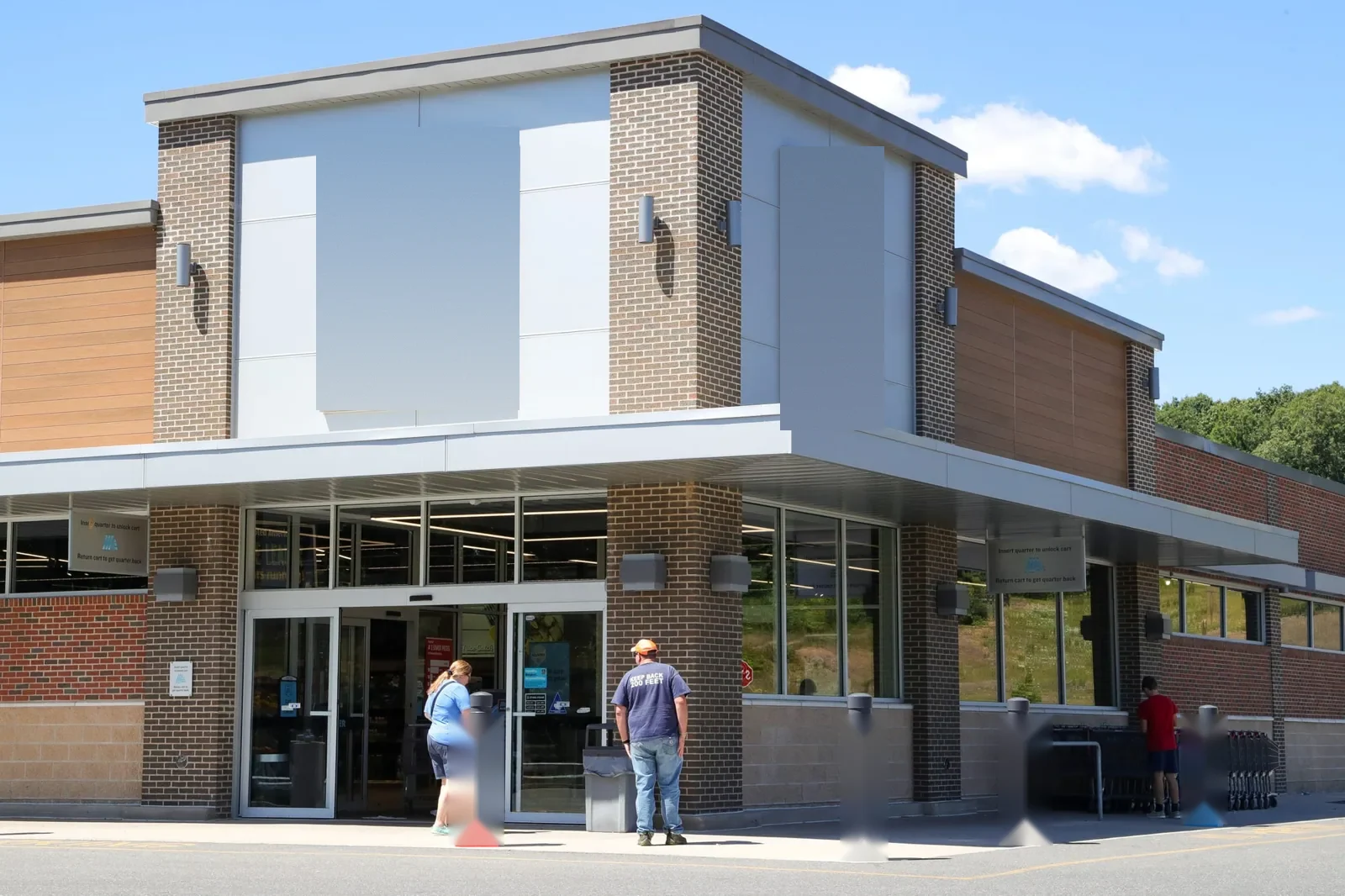
A Davie rain cell can arrive while a grocery store is unloading fresh goods and serving customers. We begin by tracing the reported water, identifying the roof zone above the affected area, and checking access to drains, equipment, and service routes. Before lifting a membrane, we agree on a dry-in line and stop point with the store contact. That sequence protects the building while keeping refrigeration, receiving, and customer circulation in view.
Pembroke Pines reports a broad commercial inventory that includes retail centers and more than 8 million square feet of retail space, much of the city’s development concentrated along Pines Boulevard. That nearby retail corridor gives a useful commercial reference for the region. At a Davie store, we confirm the installed roof system, the water path, and the operational limits that set the work window.
Refrigeration access needs clear limits
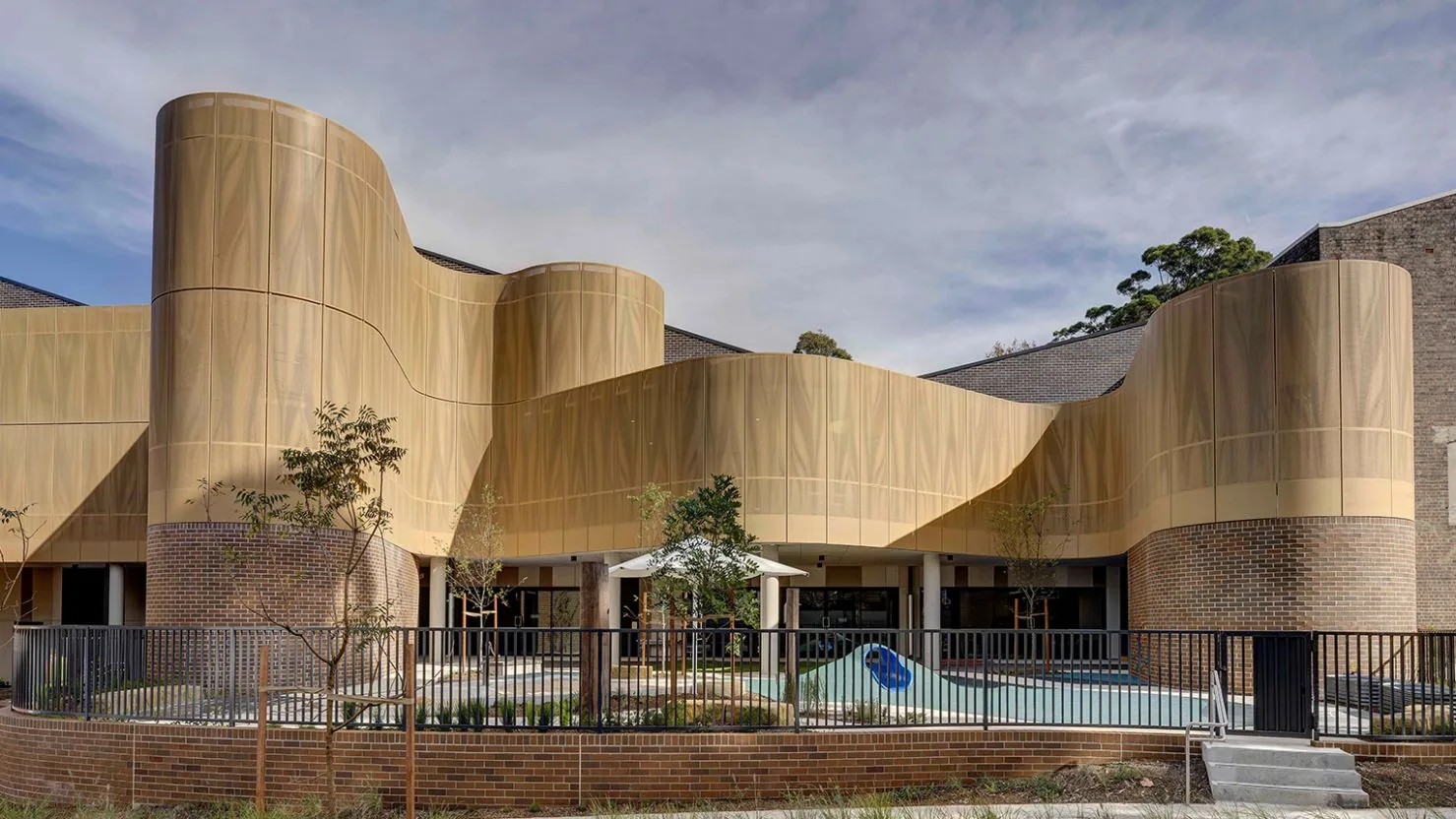
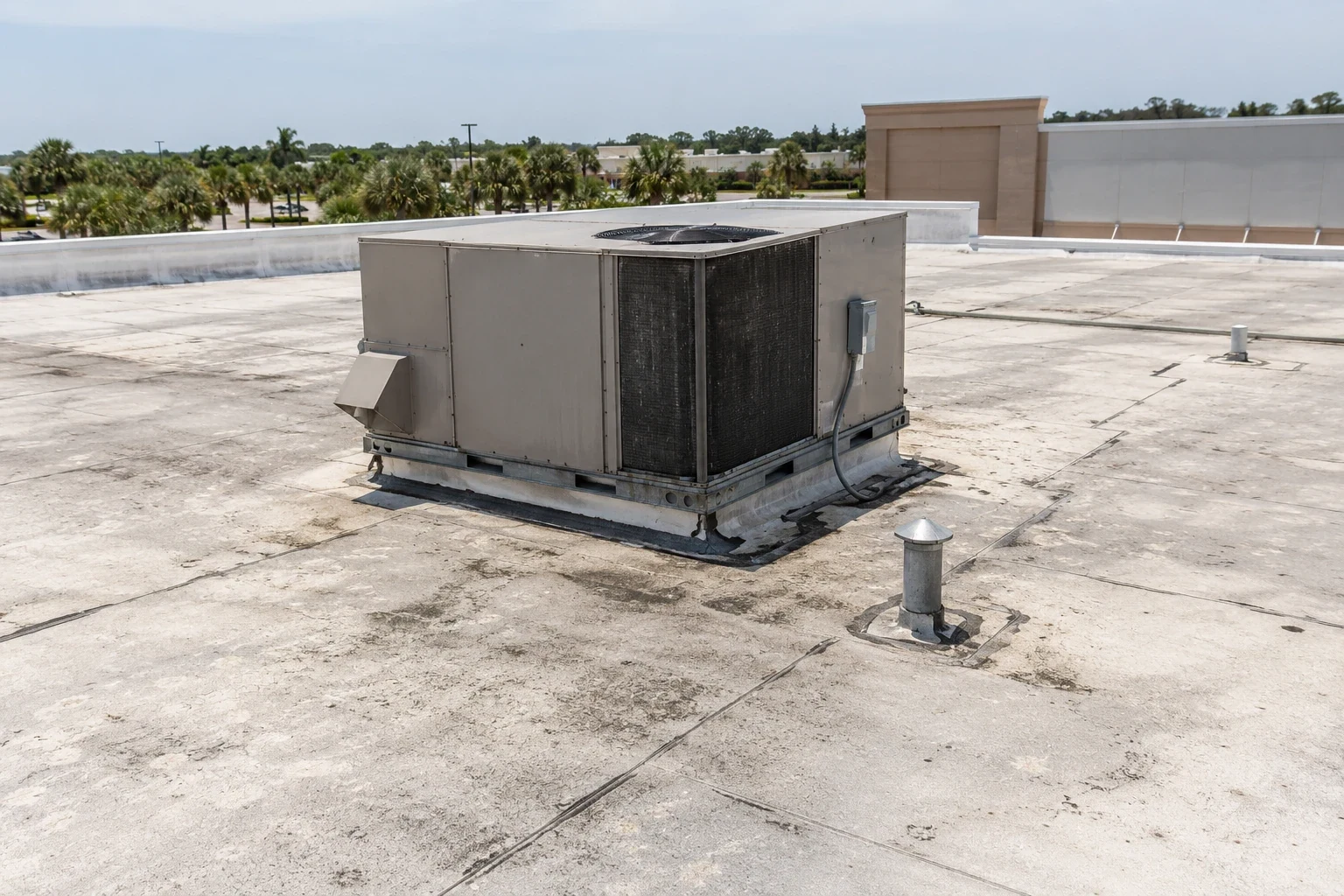
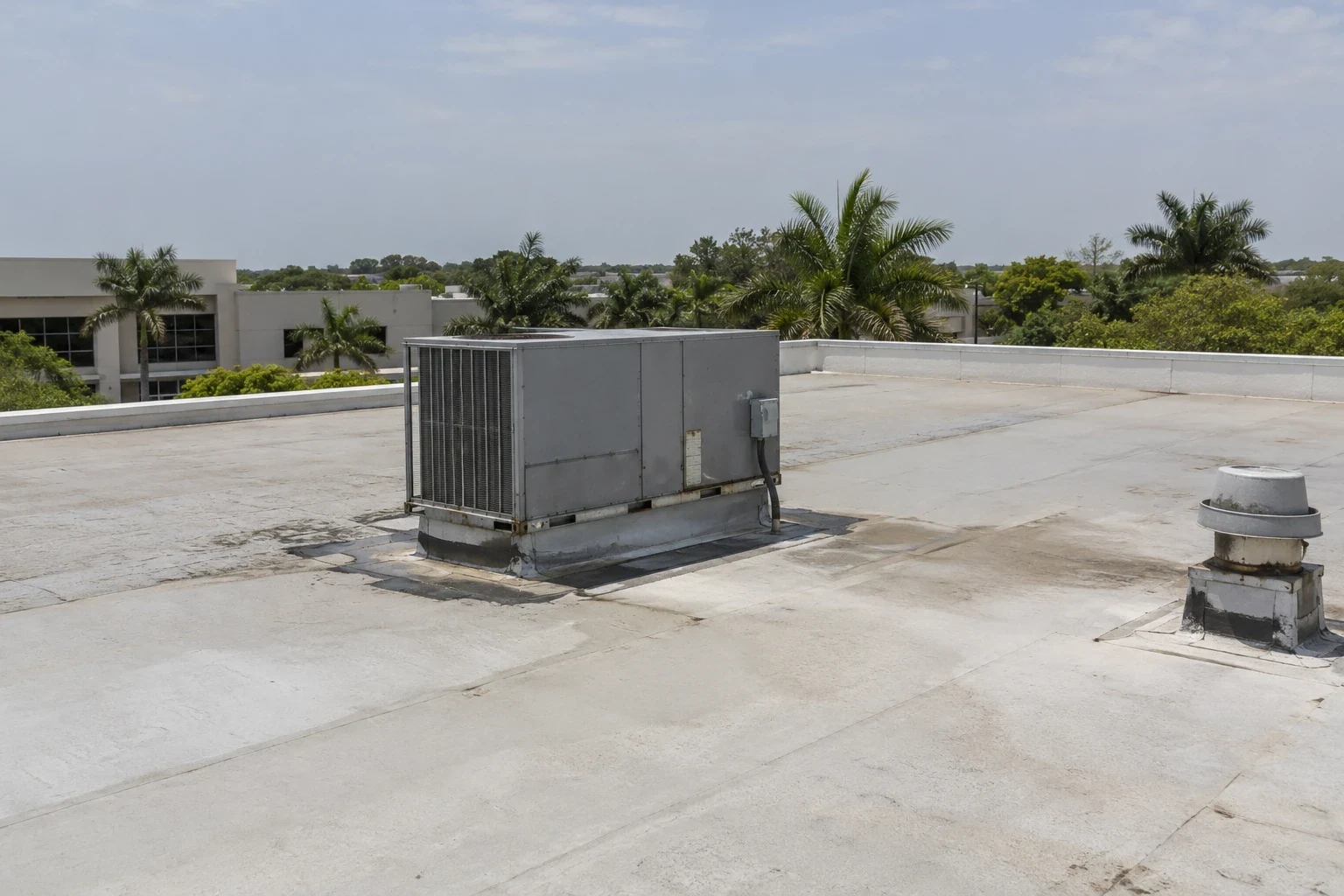
Roof-mounted condensers and related lines may need service access during the same period as a repair. We identify equipment clearances, electrical or piping routes, and any area that the store’s facilities contact must keep available. No system is isolated or restarted without the authorized person’s direction. If a curb or penetration is part of the leak path, the scope names the detail, tie-in, and any coordination needed before it is opened.
Davie’s SR 7 study area includes commercial services and technology firms alongside industrial and workplace uses, with access toward I-595 and the Florida Turnpike. The local corridor context helps orient a visit; the building’s own access route governs material staging. For a store that remains open, phased occupied-building roofing can keep equipment access and customer routes distinct. We state which path the crew uses and what the manager needs to approve.
Water can travel beyond the visible stain
A leak over a produce area or stockroom can enter at a roof detail and travel before reaching the ceiling. We compare the interior report with seams, drains, curbs, penetrations, and perimeter transitions above it. The location and timing matter, especially when water appears after a particular rain. We record the evidence and avoid assigning the cause to the nearest rooftop unit until the full path has been checked.
In Davie, the region’s recurring wet months span roughly mid-May through mid-October. Repeated showers put outlet flow and flashing details into the store’s seasonal maintenance review. We check drain strainers, scuppers, leaders, and low points, then note any blocked or damaged connection. A drain and scupper repair may address an outlet issue, but a seam or flashing failure needs its own correction. The report separates interior protection from permanent roof repair.
The roof system determines compatible repair
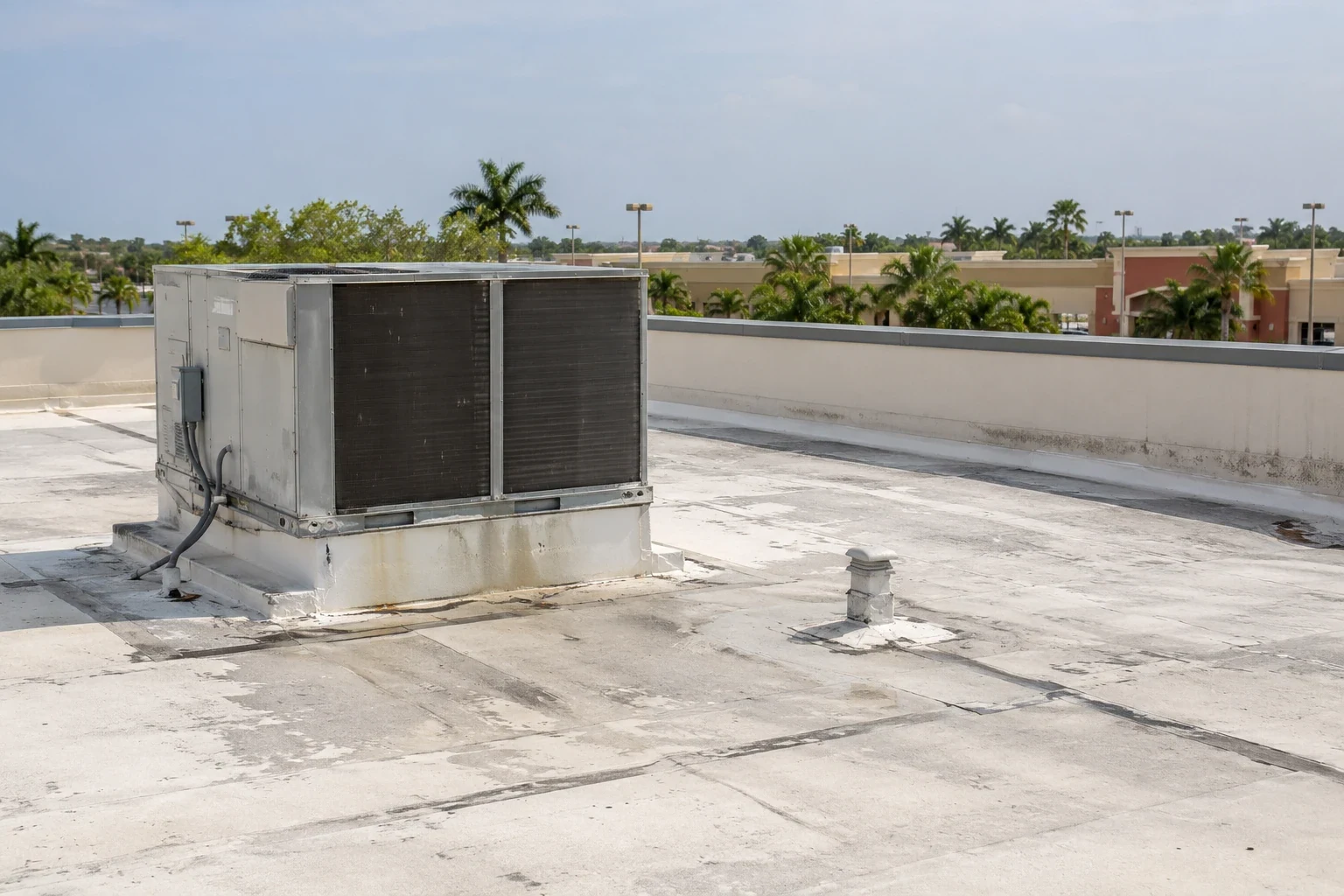
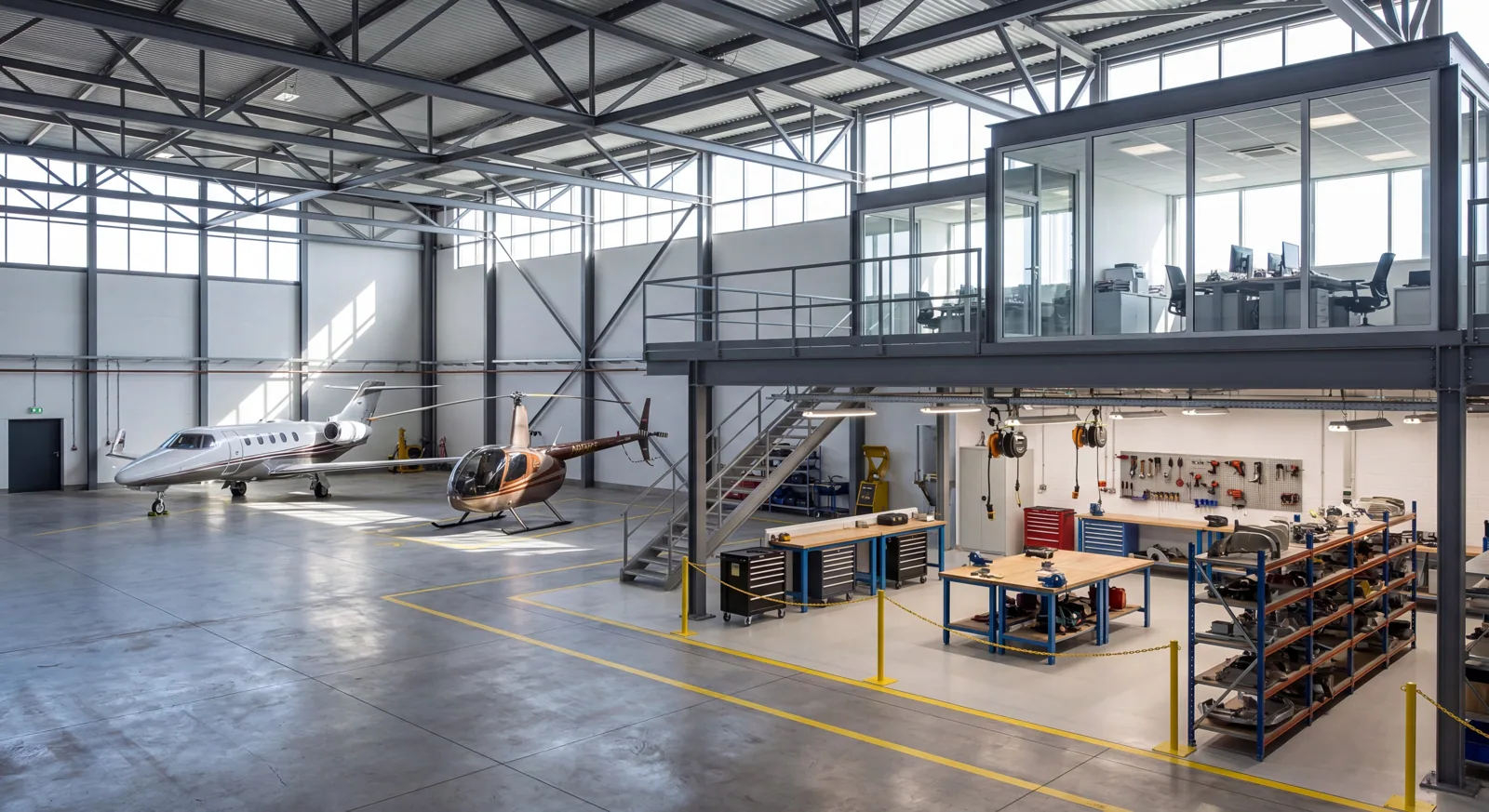
Grocery buildings may have multiple roof areas, additions, or earlier repairs that do not share the same surface. We identify whether the area is single-ply, built-up, metal, or another assembly and inspect the details that connect each zone. Membrane seams, drain bowls, equipment curbs, and perimeter metal each call for a compatible repair. If concealed moisture is possible, we explain whether a survey or test opening is needed before selecting a broader scope.
A PVC membrane has different seam and flashing details from a modified bitumen system. The product choice is based on the existing assembly and project requirements, not on the grocery use alone. A cold-storage building may share refrigeration-related concerns, while a shopping center may share tenant and loading constraints. We document the specific roof condition at the store.
The dry-in line protects perishable stock
Heat and humidity affect material handling, while short showers can close a roof window quickly. A tropical system can extend the period of wind and rain beyond a single storm cell. We set the allowable opening to match the day’s conditions and make sure the closure materials are ready before removal begins. If weather shifts, the crew secures the section and notifies the manager, with any remaining protection requirement stated clearly.
Store operations may run overnight or through weekends, so the receiving schedule, refrigeration service, and customer hours must be confirmed before staging. Emergency roof calls can be made any hour, holidays included, but safe access and conditions determine what can be completed right away. A temporary cover does not equal a permanent repair. The record identifies the roof zone secured, the materials used, and the next access slot for the final correction.
The recommendation follows the evidence
A localized puncture or flashing failure may support a limited repair when surrounding material remains sound. Repeated leak reports, wet insulation, deteriorated seams, or drainage issues can require testing or a wider project. We explain what is confirmed and what remains unknown. A coating cannot remove moisture under the surface or correct a drain defect. Recover or replacement work needs defined removal limits, substrate checks, tie-ins, and a plan for keeping the store protected during each phase.
Pines Boulevard is a major commercial corridor in Pembroke Pines, and the city’s inventory includes retail and industrial properties. This regional context does not decide a Davie store’s roof condition. A commercial roof inspection maps the findings, while a replacement plan should include refrigeration access and receiving constraints. The manager can compare immediate protection and longer-term work before authorizing expansion.
The store record supports a clean handoff
Closeout identifies roof zones reached, observations, photos, work completed, temporary protection, and any area not accessible. We note if receiving, equipment service, or weather changed the sequence. If water affected a stock or customer area, that interior report is connected to the roof location without sharing unrelated tenant details. The manager sees what is complete and which approval remains.
Along the Pines Boulevard commercial corridor, retail properties have their own roof access and receiving schedules. Each roof gets its own record. A condition report can carry drain, seam, curb, and moisture findings into maintenance planning. The next step names the roof zone, safe work window, and facility contact needed to proceed.
Related Roofing Work
- Occupied Commercial Building Reroofing
- Commercial Roof Drains and Scuppers
- PVC Commercial Roofing
- Cold Storage Roofing
- Shopping Center Roofing
- Commercial Roof Inspection
- Commercial Roof Replacement
- Pines Boulevard Commercial Corridor, Pembroke Pines
Browse every page in Property Types We Roof, or request a roof assessment and we will walk the roof with you. Call 555-555-5555.
Questions Owners Ask
Can a grocery store stay open during a roof repair?
Often, when customer routes, receiving, and the roof work zone can be kept separate. We coordinate access with store management and identify any equipment or interior area needing protection. If the work cannot be completed safely within the available window, the crew closes the section and schedules the remaining repair.
What if water is near refrigeration equipment?
Report the interior location and equipment concern to the store’s facilities contact, then follow the store’s safety process. We inspect the roof path and equipment curb or penetration while respecting any service restriction. The scope states whether a system must be isolated, and the authorized facility contact approves that step.
How do you keep roof debris away from food areas?
We coordinate the work zone, material handling, and interior protection with the store contact before opening the assembly. The plan identifies where removed material will go and which spaces remain off limits. If additional protection is needed below, it is agreed before the crew begins that section.
Does a recurring leak mean the whole roof needs replacement?
Not by itself. Repeat water entry can point to a detail that was not fully corrected, moisture beyond the repair, or a broader membrane condition. We inspect and document those possibilities before comparing a localized repair with testing or replacement planning.
How do you plan around overnight deliveries?
We ask for receiving hours, equipment service windows, and any restriction on the loading route. Then we set the access slot and stage materials where the store approves. A weather interruption may shift the work, so management receives a clear closeout and revised window.
Share the leak report, refrigeration and receiving limits, access rules, and available work period. We will map the inspection zone and dry-in point for your Davie-area store.