
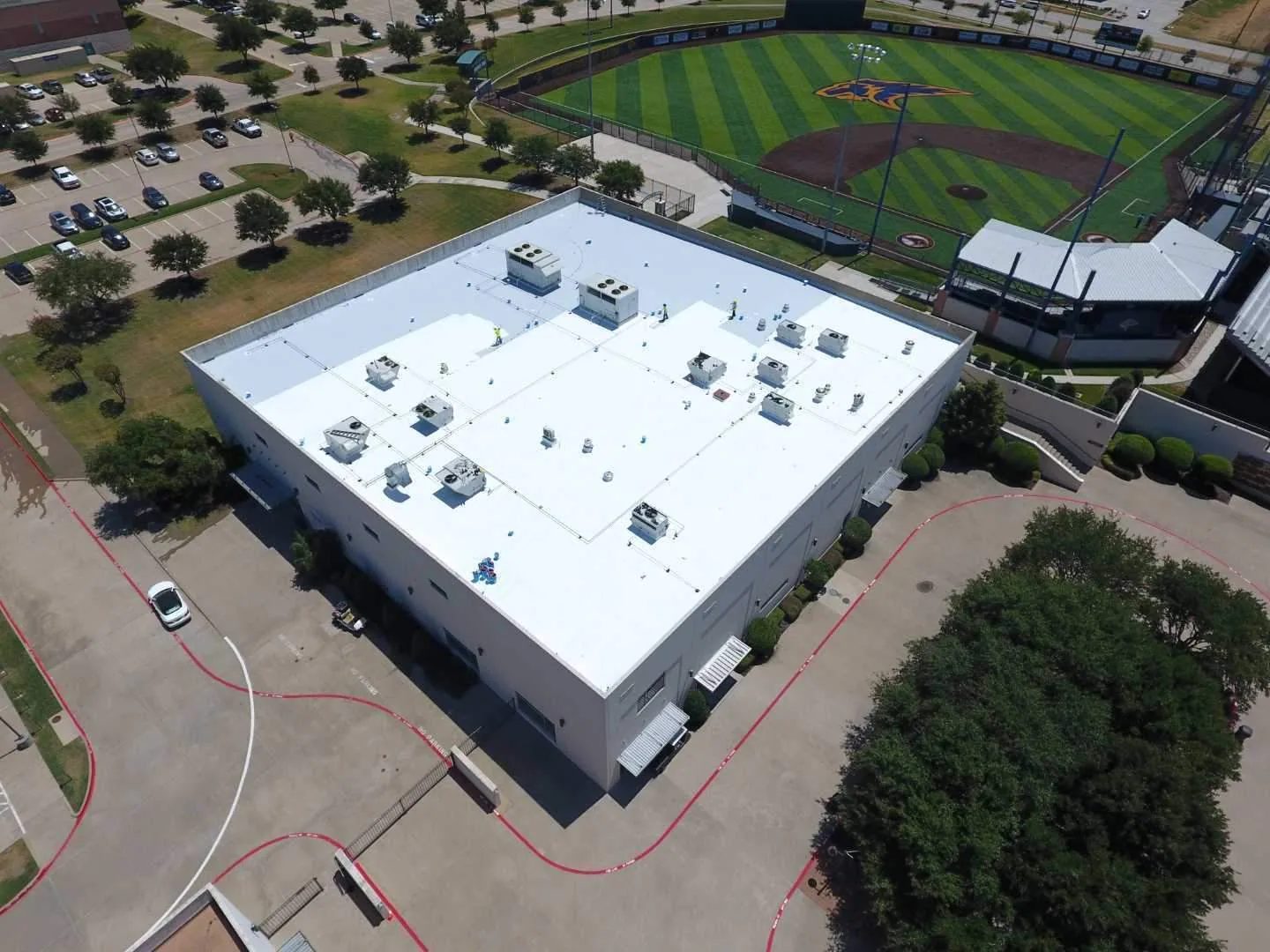
Commercial Roofing for Insurance Restoration in Davie, FL
Document the roof before the scope changes
After a storm or interior leak, the first useful step is to separate the roof condition from the coverage decision. We inspect the accessible area, photograph observed conditions, and map the affected roof zone before proposing repair. The report identifies what is confirmed, what remains uncertain, and what test or access would close the gap. That gives the property contact and restoration team a factual basis for the next step.
Davie's SR 7 corridor includes commercial services, industrial uses, technology firms, and institutional campuses, with connections toward I-595 and the Florida Turnpike. Nearby Pembroke Pines has retail, office, industrial, and healthcare properties, while Plantation Midtown includes offices and medical facilities in a broad mixed-use district. These regional building types present different access and operating conditions. We tie any repair recommendation to the building's roof zones, access limits, and conditions observed during the visit.
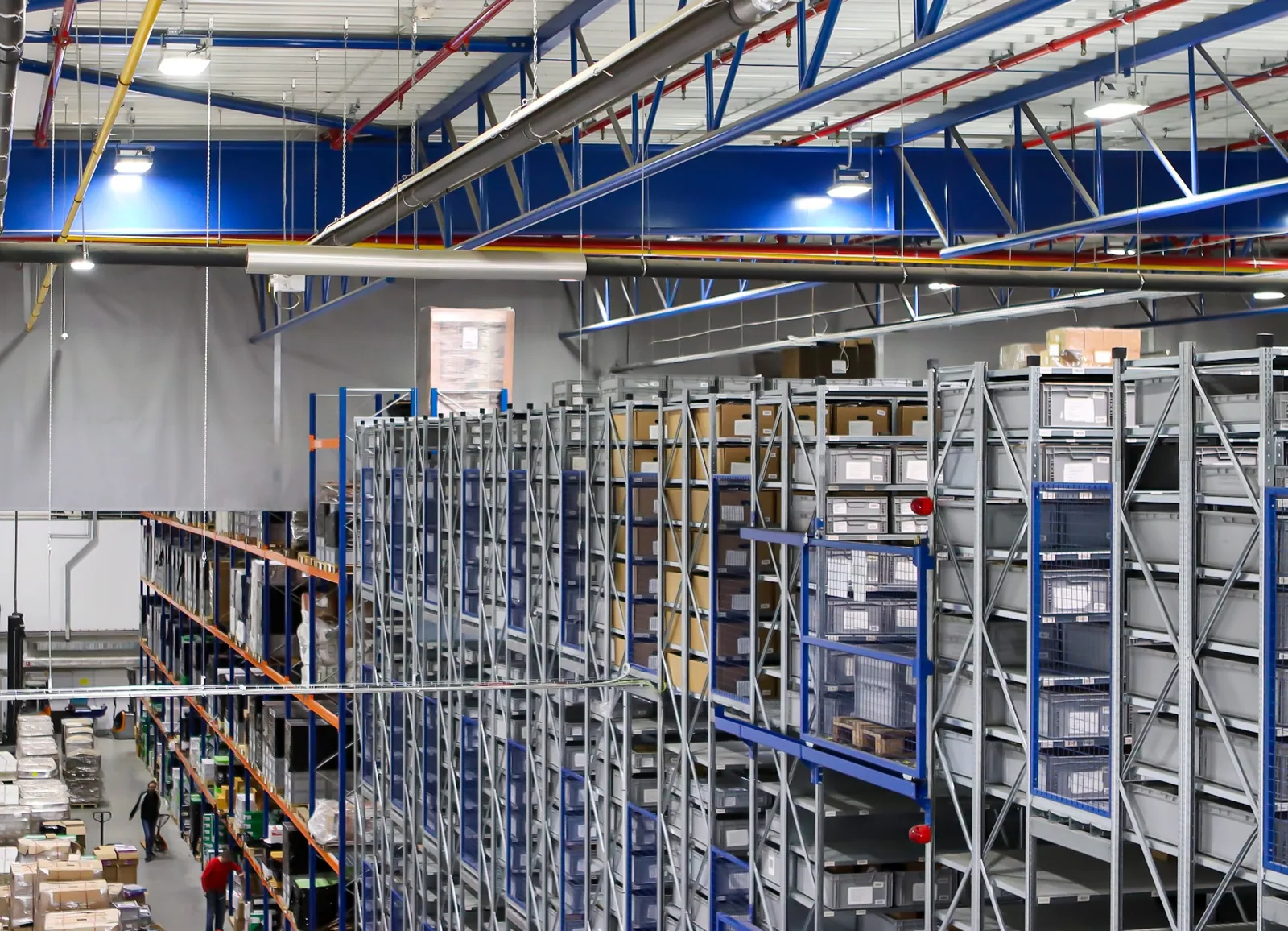
A safe first look records the roof
We confirm the reported date and area, recent work if known, building operations, and safe roof access. The initial inspection looks at seams, flashing, edge metal, penetrations, drains, rooftop equipment, and visible impact or movement. Photographs are tied to a roof zone. If weather, access, or safety prevents a full review, the report identifies the area not reached and the condition needed for a return visit.
Fort Lauderdale's official long-term record puts Davie's nearest annual rainfall normal at 60.95 inches. South Florida gets around 60 to 70 percent of its annual rain during the May-to-October wet season, which makes timely dry-in relevant to documenting temporary mitigation. Tropical systems can also bring wind and heavy rain through their outer bands. These weather facts explain why an early dry-in and safe inspection window matter; they do not prove damage at a particular property. A storm-damage roof inspection connects the reported event with visible roof conditions.
The cause follows evidence, not a ceiling stain
Water can travel beneath a roof surface and appear away from the entry point. We compare the interior report with seams, drains, curbs, penetrations, edge conditions, and prior repairs. If a hail impact, wind movement, puncture, or seam failure is visible, we document its location and extent. When the cause remains concealed, the report states whether moisture testing or a controlled opening is needed instead of calling an assumption a finding.
A commercial roof inspection records visible conditions and limits. An infrared moisture survey may help identify temperature patterns that warrant further evaluation, but it does not replace a test where confirmation is needed. We identify which roof zones were reviewed, what instruments or methods were used, and what remains unresolved. The property contact can then coordinate further access without treating an incomplete area as inspected.
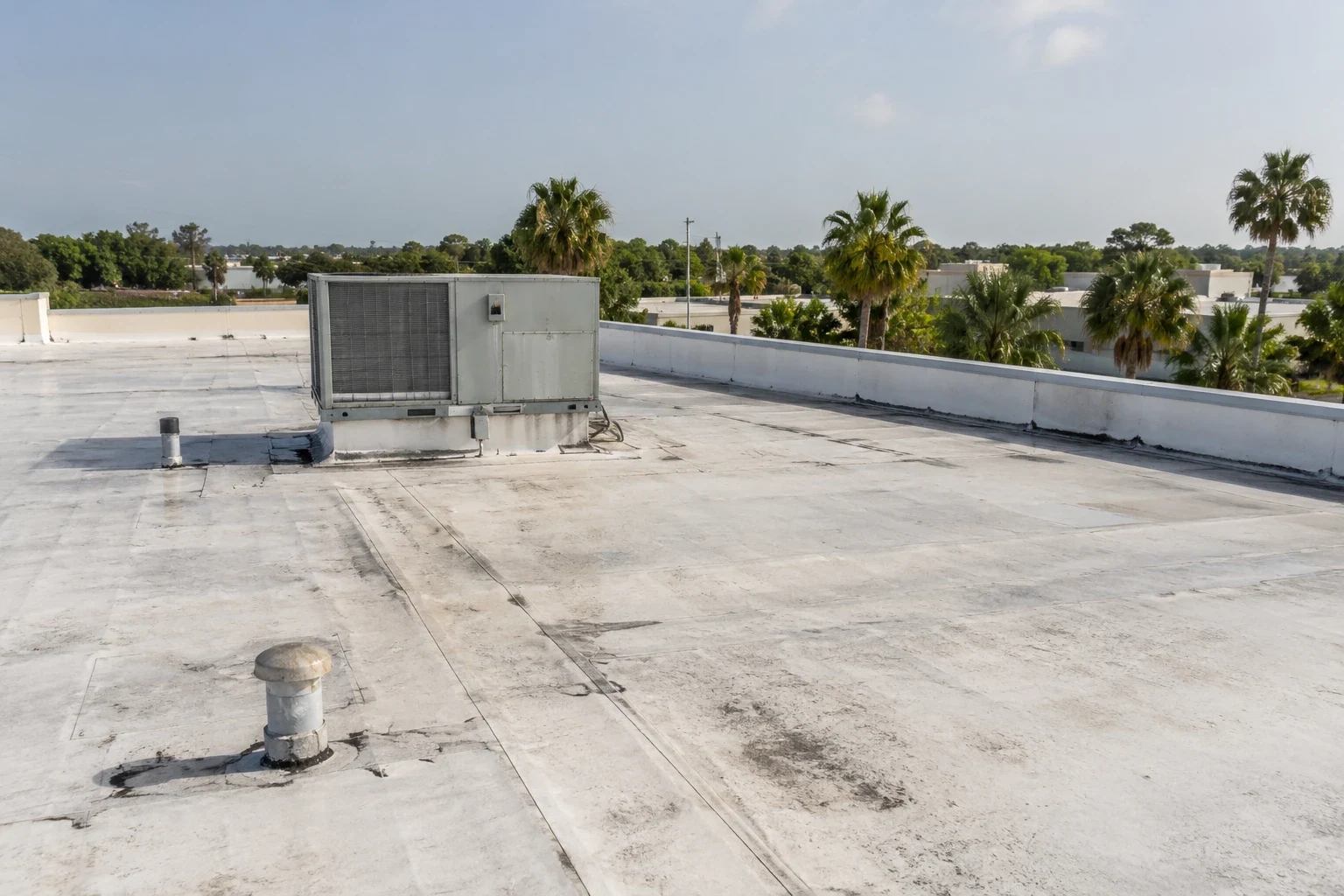
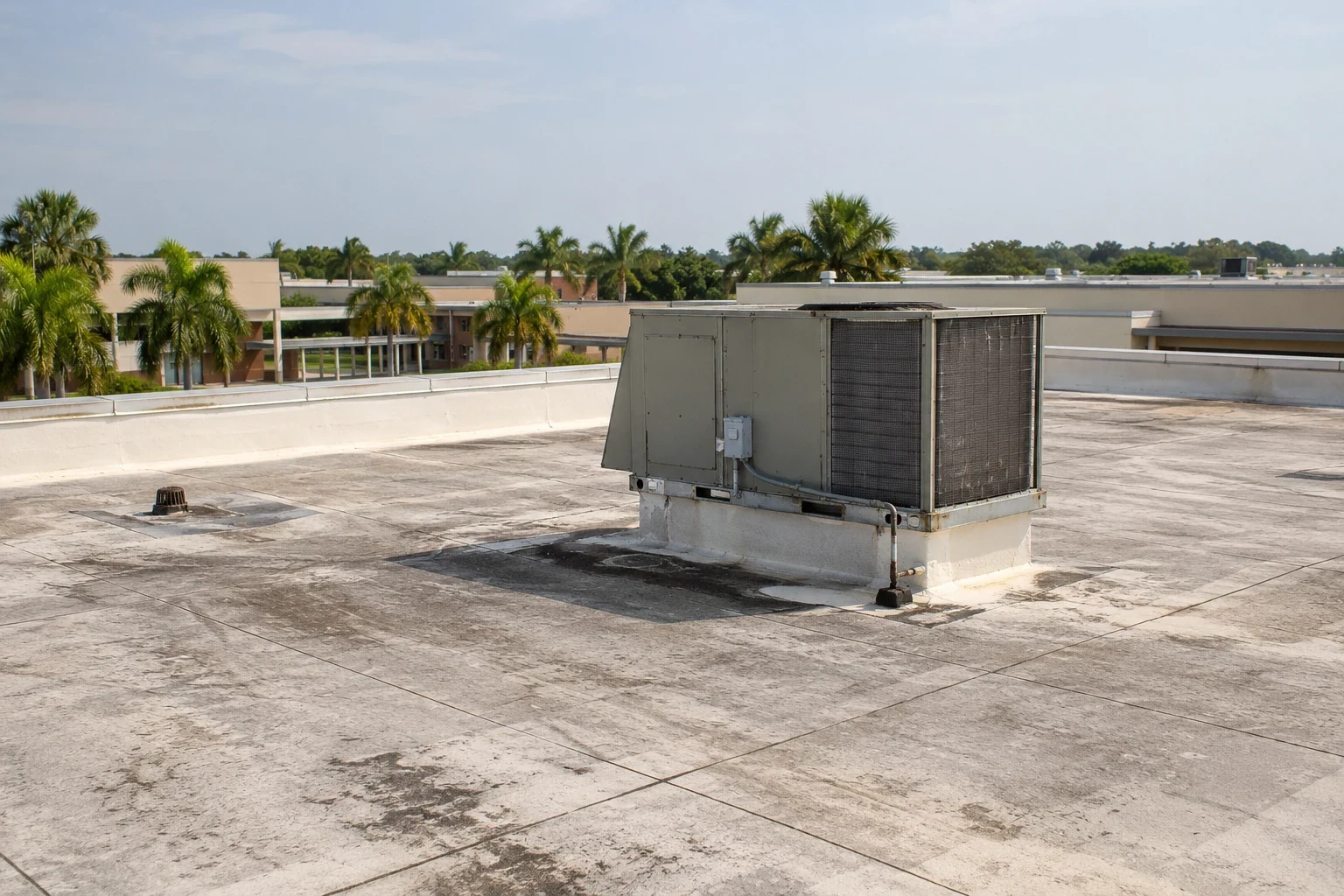
The scope separates immediate and permanent work
A restoration scope should identify the roof area, assembly, observed damage, temporary protection, proposed repair, and any test or replacement consideration. We distinguish emergency dry-in from permanent correction so the sequence is visible. If a concealed condition is found during removal, the crew pauses at the agreed boundary and returns it for review. The scope does not describe a policy decision or promise claim payment.
A targeted seam or flashing correction may be appropriate when adjacent material is sound. Widespread moisture or attachment failure can require further testing or a broader repair plan. A roof insurance documentation service can organize photos and condition records for the property team. A commercial roof repair proposal explains the work and limits; coverage and settlement remain decisions for the insurer and policyholder.
Temporary protection needs a limit
Temporary measures can reduce immediate exposure, but they are not a substitute for permanent repair. We state which roof zone is covered, the closure method, and what weather or access condition could require another visit. For an occupied building, the property contact identifies the interior area below and any route that needs protection. The record labels temporary work so it is not mistaken for a completed roof system.
South Florida's wet-season rain and Fort Lauderdale's 60.95-inch annual rainfall normal make timely closure important, while the daily forecast still governs a safe roof opening. Heat index values in July and August can reach or exceed 100 degrees. If a storm approaches, the crew secures the active area and updates the site contact on the remaining scope. Emergency calls can be made at any hour, including holidays; conditions and access determine what can be performed immediately. The restoration schedule records the next safe window rather than assuming a weather delay has no effect.
Restoration needs a shared handoff
The property owner, adjuster, restoration contractor, and roofing crew may each need different parts of the record. We identify who requested the inspection, who controls access, and who can approve testing or repair. If another trade has installed temporary protection or opened the assembly, we photograph the current state and confirm what remains accessible. That avoids assigning a roof condition beyond what could be observed.
Davie's commercial corridors include a mix of occupied workplaces and industrial properties, while Pembroke Pines and Plantation Midtown add healthcare and retail uses. A general contractor can coordinate broader repairs and sequencing. A property management company can handle tenant notices and building access. We keep the roof findings connected to the property while the other parties coordinate their own approvals and records.
The record states the next action
At closeout, the client receives photographs, roof zones reached, observed conditions, repairs completed, and areas not accessed. We list any test or additional authorization still needed. Temporary dry-in remains separate from permanent work. If a report is prepared for a claim file, it describes roof conditions and scope; it does not state whether an insurer will cover them.
Davie's SR 7 and Davie Road corridors support regional mobilization, but each property's roof map and access limits control the assessment. A roof condition report can preserve findings for future maintenance. At Plantation Midtown, we coordinate the roof plan around each building's access route and operating hours. The next step identifies whether the team should repair, test, monitor, or schedule a larger scope, along with the person responsible for that approval.
Related Roofing Work
- Commercial Storm Damage Roof Repair
- Commercial Roof Inspection
- Infrared Roof Moisture Survey
- Commercial Roof Insurance Claim Assistance
- Commercial Roof Repair
- General Contractors
- Property Management Companies
- Commercial Roof Condition Reports
Browse every page in Industries We Serve, or request a roof assessment and we will walk the roof with you. Call 555-555-5555.
Questions Owners Ask
Does a storm warning prove roof damage?
No. A warning describes weather conditions, not a particular roof. After access is safe, we document visible changes, water entry, and limits. Any damage conclusion stays tied to the inspection and further testing when needed.
Will the roofing report determine insurance coverage?
No. We record observed conditions, photographs, scope, and unresolved questions. Coverage and settlement are decisions for the insurer and policyholder. The report can support their review without promising an outcome.
What belongs in a roof restoration scope?
The scope should identify the affected area, assembly, observed condition, temporary protection, proposed permanent work, and any test needed. It should also state access limits and what the work does not resolve. We keep temporary measures separate from permanent repairs.
Can emergency tarping be followed by a permanent repair?
Yes. We identify the area temporarily protected, the closure method, and what conditions require a return. Once the roof can be safely inspected, permanent repair is scoped from the evidence. Temporary coverage is not treated as completion.
How do you handle a disputed or concealed leak path?
We map the reported interior area against roof details and record what can be seen. If the path remains concealed, the report identifies a moisture survey, test opening, or return visit that could clarify it. The unresolved area is not stated as a confirmed finding.
Share the event history, leak locations, prior mitigation, property access rules, and report deadline. We will inspect accessible roof zones, photograph conditions, and identify the next test or repair approval for your Davie-area property.
