Commercial Roof Insurance Claim Assistance in Davie, FL
Organize the roof record
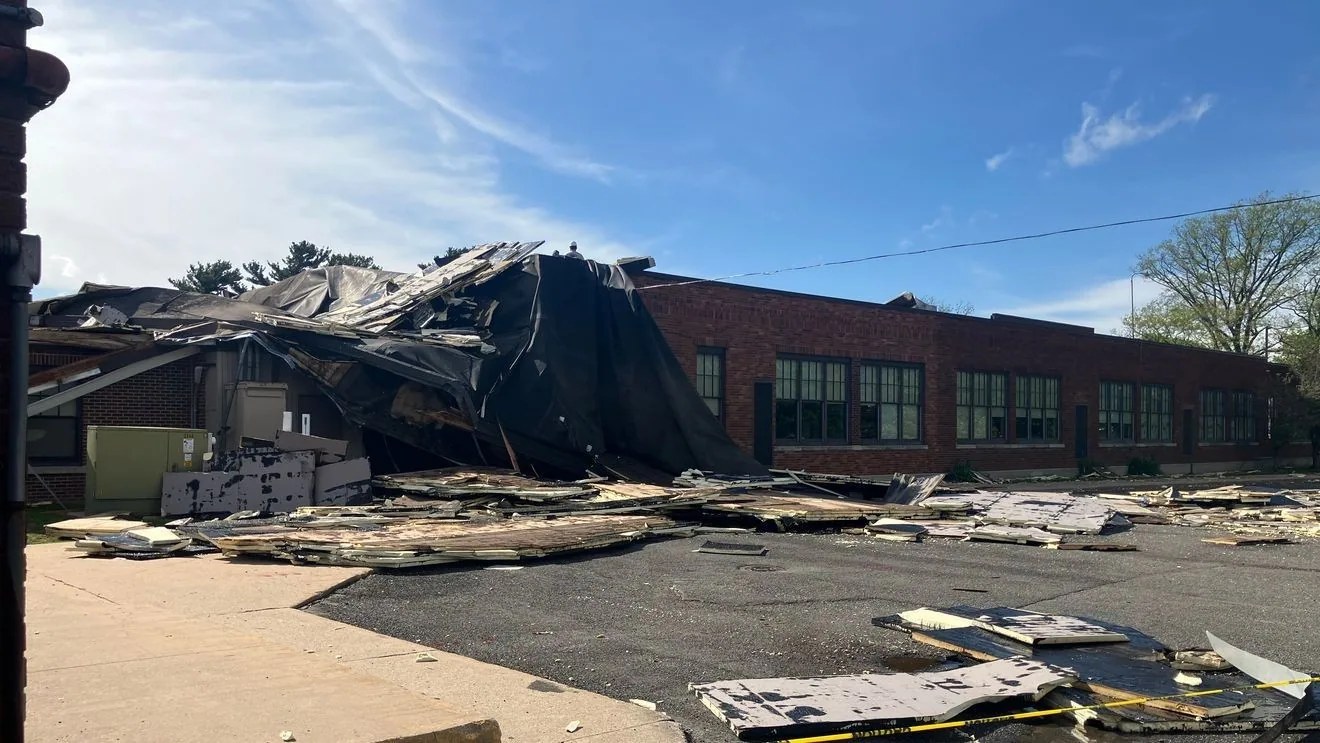
Recurring rain typically intensifies in Davie from the latter half of May until mid-October. A roof claim in that stretch can require evidence preservation alongside immediate water control. We start with the reported event, active leak locations, safe access, and any adjuster visit already scheduled. The first roof review records visible conditions by zone and identifies what must be protected before more rain. It does not decide coverage or promise that a storm caused a reported condition.
Fort Lauderdale averages 60.95 inches of rain annually. We compare the reported event and roof conditions with the inspection findings before describing the damage in a claim file. Our storm damage roof review separates what the crew can see from reported timing and possible explanations, then gives the owner a clear record for its next conversation with the carrier.

A claim file needs clear observations
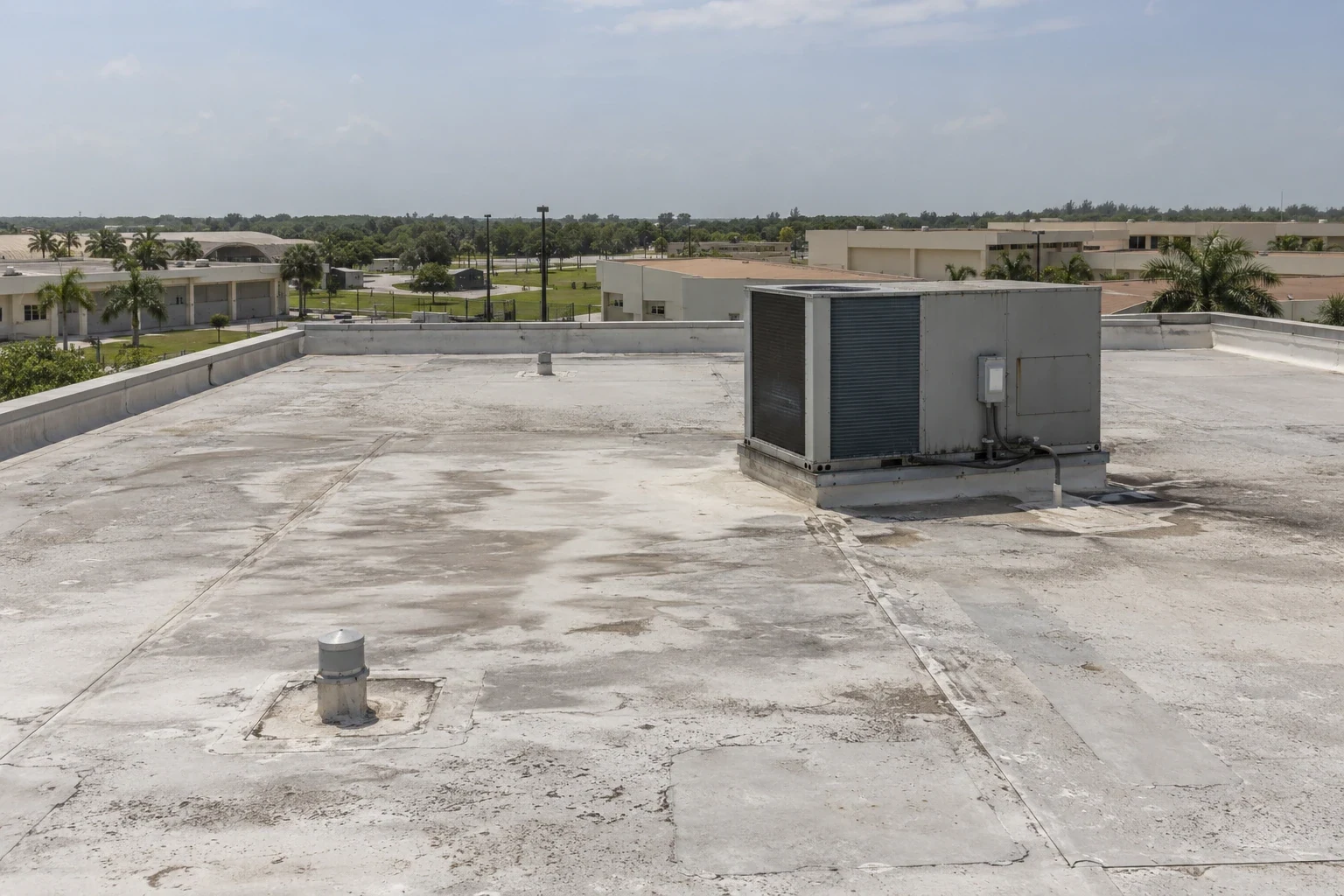
Useful documentation begins with a consistent location key. We identify roof sections, slopes or zones, access points, and the interior areas associated with reported water. Photographs show the detail at a useful distance and, where safe, a closer view. Notes describe whether a condition was wet, dry, displaced, open, punctured, or inaccessible at the time of inspection. The record keeps observations separate from a suspected pathway or cause.
Davie's SR 7 corridor includes industrial workplaces, automobile-related businesses, commercial services, technology firms, and institutional campuses. The facility's function can shape roof access, equipment clearance, tenant notice, or shutdown requirements. We confirm these operating constraints with the manager. The SR 7 / US 441 area is useful when planning travel and dispatch, while the claim record remains tied to the actual site.
The owner can share earlier inspection reports, repair invoices, maintenance logs, warranty records, and pre-event photos. We list each document's provider and date, and identify conflicts that need clarification.
Access and timing shape the review
Before an adjuster visit, confirm which roof sections should remain accessible and whether temporary work can wait. We can coordinate a site window with the property contact, identify the access slot, and provide our own inspection record. If water is entering an occupied suite or sensitive equipment area, immediate mitigation may be necessary. In that case, the team documents visible conditions when safe, describes why stabilization could not wait, and keeps the opening or repair within the approved limit.
South Florida's severe-weather season brings damaging thunderstorm winds, flooding, hail, and tornadoes, with the highest likelihood from mid-May to early July. Those hazards can guide questions for the event file, but do not prove a particular loss. The reported date, local observations, building records, and roof conditions together help frame the event review. We compare the owner's event timeline with roof conditions visible during inspection before describing a likely cause.
Davie Road runs through the downtown commercial and mixed-use center. For a claim inspection in that area, the manager confirms where an adjuster and roofing crew can safely stage. Around the Davie Road corridor, tenant activity, public-facing entrances, and deliveries can affect inspection logistics. The property manager confirms the building's actual rules, escort needs, work hours, and areas that should not be entered during business operations.
Repair scope stays distinct from coverage
A repair estimate should describe the physical work required to address an observed roof condition. It may specify preparation, removal limits, compatible materials, flashing details, temporary protection, cleanup, and the point at which concealed conditions require another approval. It should not present policy interpretation as a roofing conclusion. We make the scope understandable to a property team and answer technical questions about the work proposed.
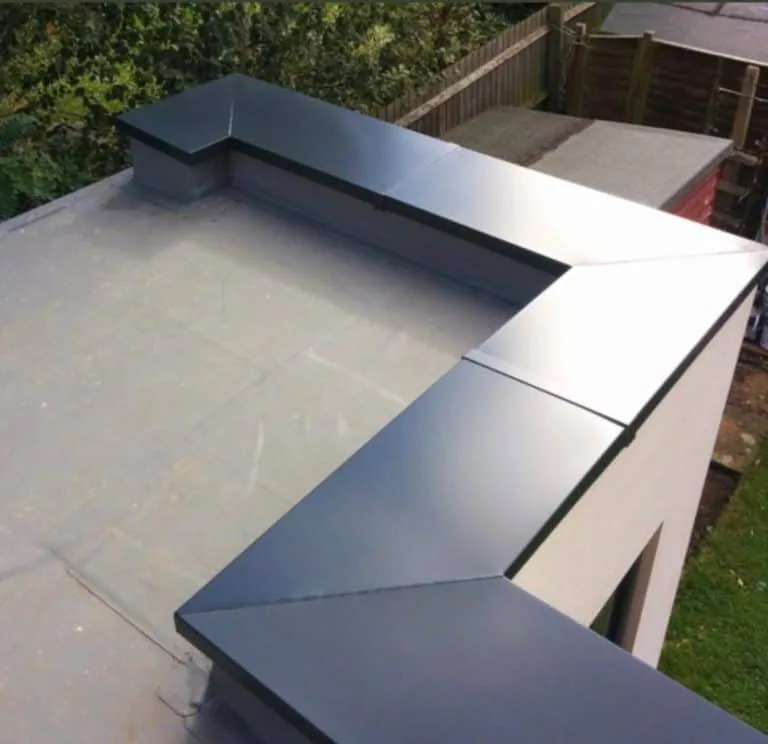
A failed drain connection, open seam, damaged edge, or punctured membrane calls for a different detail. The report identifies the affected assembly, access limitations, and a reasonable next action. If a test cut, moisture survey, or larger opening could clarify extent, we describe its purpose and request authorization first. Findings from such work can change the repair quantity; the estimate should state that possibility rather than imply hidden conditions are already known.
When more than one area is involved, the estimate separates immediate stabilization from permanent repair. It also identifies related but unconfirmed conditions that are outside the proposed work. The owner can then compare documented observations with the carrier's scope and request clarification where needed. A commercial roof repair follows the approved physical scope; insurance acceptance is handled by the insurer and policyholder.
Work plans reflect Davie's conditions
South Florida's warm, humid climate and recurring showers affect roof preparation and material installation. A planned work date depends on surface conditions and the dry interval required by the chosen repair system. If rain interrupts the work, the crew protects the exposed area, stops at the approved limit, and updates the manager. That work record matters when the owner later compares completed repairs, invoices, and any remaining conditions.
Griffin Road provides an east-west approach from SR 7 toward airport access and westbound Turnpike routes. We use that connection to plan dispatch, then confirm the actual gate, receiving hours, and access instructions with the property contact. For sites near the Griffin Road corridor, deliveries and crew arrival may need to align with gate or receiving hours. We confirm those details with the property contact before dispatch. This keeps the proposed inspection window practical and avoids disrupting loading activity unnecessarily.
Florida's current eighth-edition code became effective on December 31, 2023. Any repair or replacement implications need to be checked against the actual claim scope and applicable project review. Code requirements may be relevant to repair planning, but the specific work must be evaluated against the building, scope, and applicable provisions. Our documentation records the repair approach and known conditions; it does not replace the owner's design professional or an authority's determination when those reviews are required.
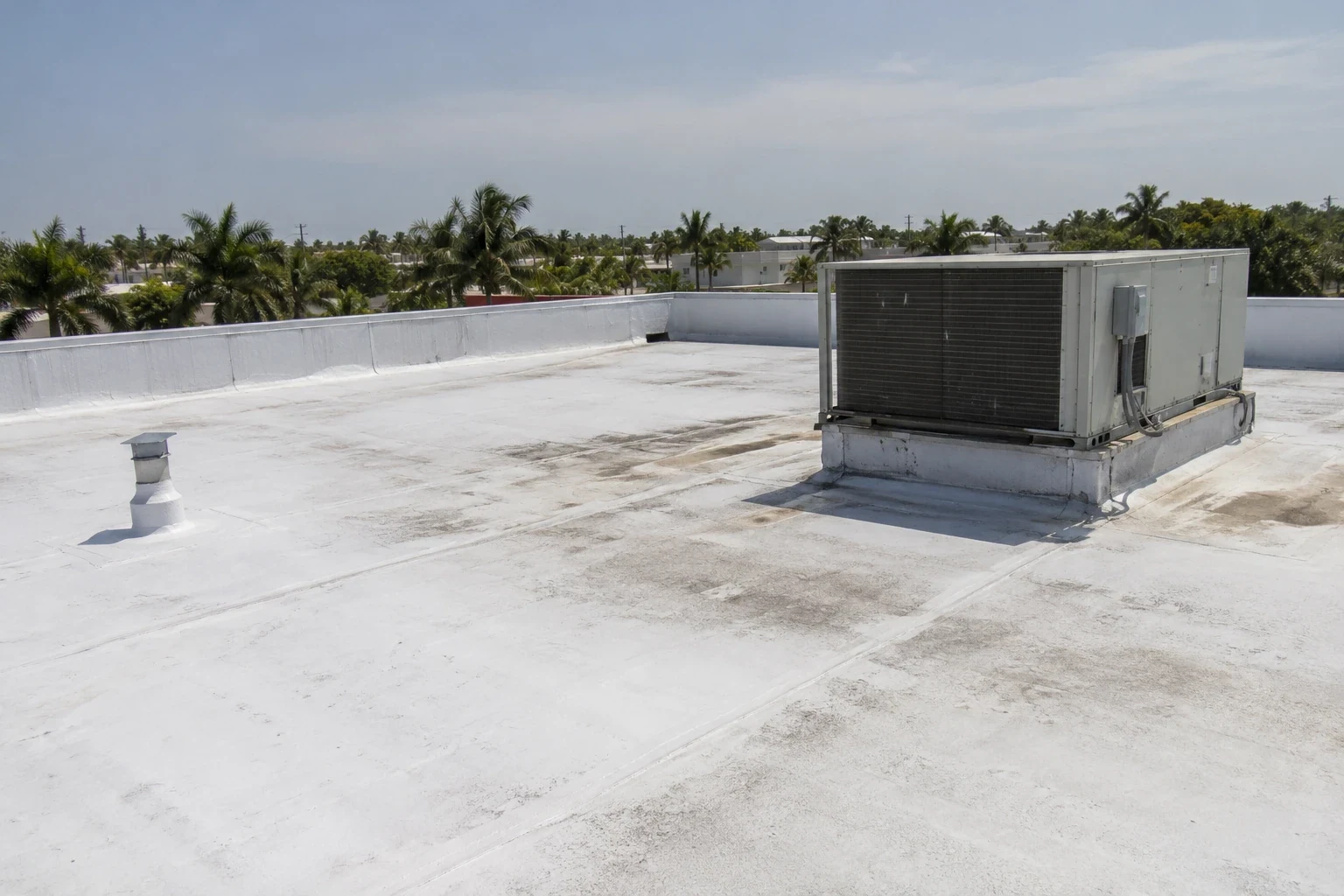
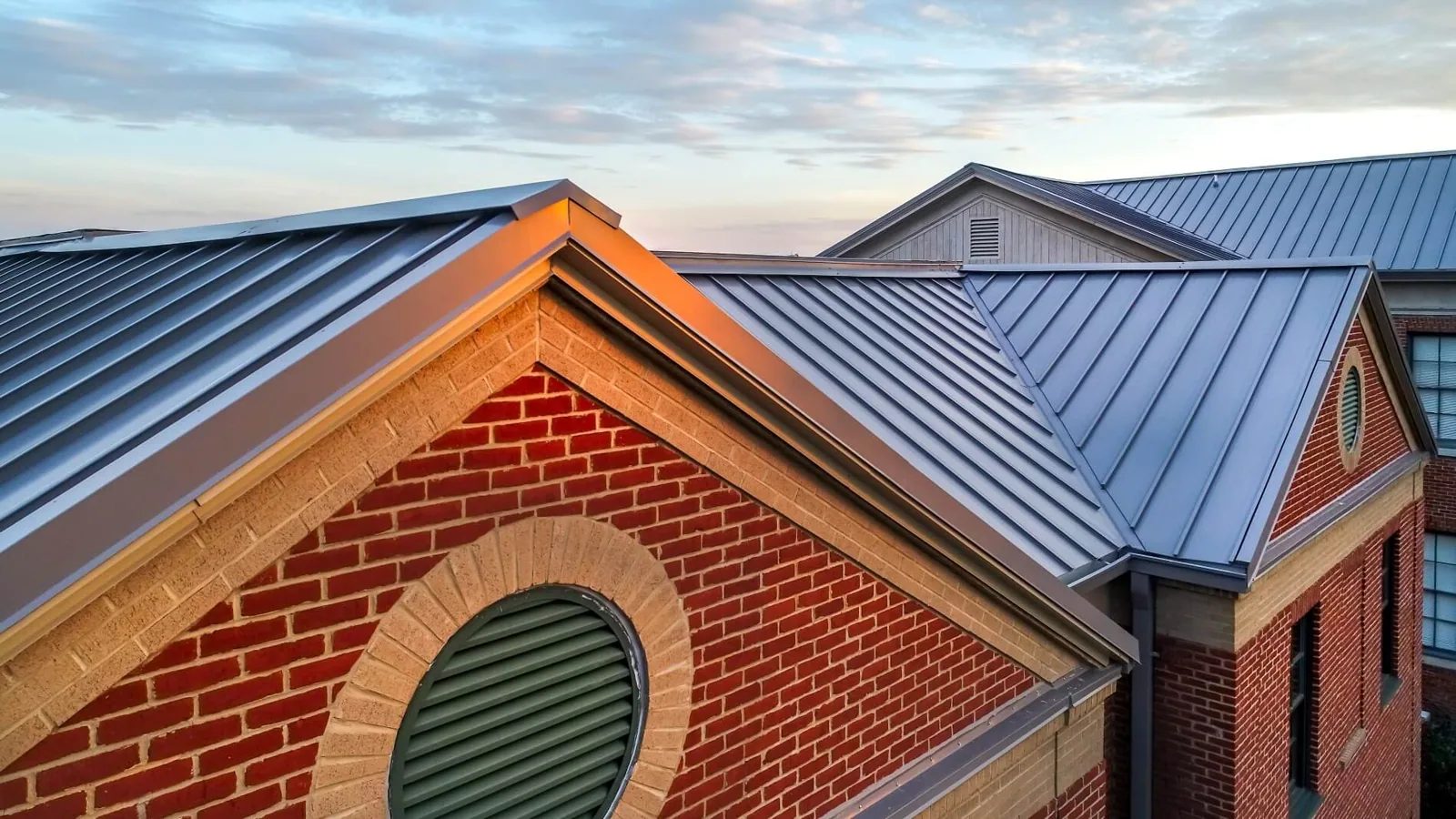
The file closes with an open-item list
After inspection or repair, the owner receives a dated record of the areas reviewed, conditions observed, photographs, work completed, and limits of access. We list any temporary protection that remains and identify what should be monitored or evaluated later. If the carrier requested specific records, we list what was supplied and what still needs to be obtained.
For a facility serving a mixed tenant or customer base, clear communication matters as much as the roof detail. We can note affected entrances, restricted areas, equipment concerns, and the timing of noisy work for the property manager's tenant notice. We leave policy questions and payment decisions with the owner and insurer. Our role is to explain roof conditions and the work needed to address them.
The roof condition report identifies who must approve the next step, whether another inspection or test is recommended, and whether an open roof area needs attention before the next rain gap closes. It states what is known, what remains uncertain, and why. That gives a manager a useful working record without claiming more than the site visit supports.
Related Roofing Work
- Commercial Storm Damage Roof Repair
- SR 7 / US 441 Corridor
- Davie Road Corridor
- Commercial Roof Repair
- Griffin Road Corridor
- Commercial Roof Condition Reports
Browse every page in Commercial Roofing Services, or request a roof assessment and we will walk the roof with you. Call 555-555-5555.
Questions Owners Ask
Can a roofer determine whether an insurance claim is covered?
No. We document roof conditions and explain the physical repair proposed. The insurer and policyholder determine coverage under the policy. We can organize dated photos and repair details for their review.
Should temporary protection wait until an adjuster inspects?
If water is actively entering or an exposed area could worsen, the owner may need prompt mitigation. We document conditions when safe, describe why work cannot wait, and keep stabilization within an approved limit. Coordinate with the carrier when circumstances allow.
What records help with a commercial roof claim?
Prior inspection reports, repair invoices, maintenance logs, warranty documents, event timing, and dated photographs can help show a history. We label supplied documents by provider and date, then keep them distinct from new site observations.
Does your estimate include hidden damage?
Only conditions that were visible or confirmed within an approved opening can be quantified as observed. If concealed wet material or deck damage is possible, the estimate states the limit and explains what authorization or testing could determine the extent.
Can you coordinate an inspection near Griffin Road or Davie Road?
Yes. We confirm the property's access rules, loading schedule, escort needs, and available work window. A location near Griffin Road or Davie Road still needs its own gate, delivery, and escort plan, which the property contact confirms before the visit.
Share the reported event, available roof records, active leak areas, and any adjuster timing. We will outline an inspection window and the documentation the site can support.