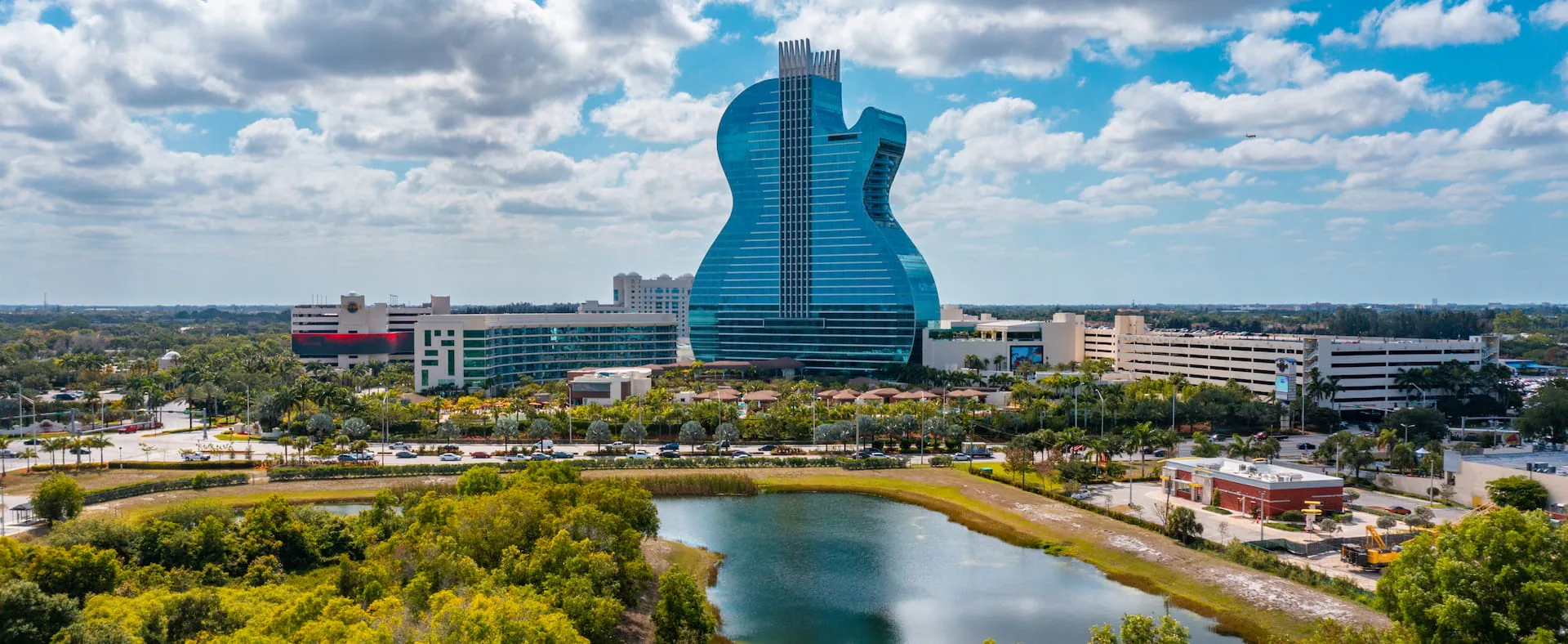

Commercial Roofing in Miramar Town Center, Miramar, FL
Set a Miramar Town Center roof visit
Roof access in Miramar Town Center depends on the property and the district routes available to reach it. The Town Center lies north of Miramar Parkway, east of Red Road, west of Hiatus Road and south of Miramar Boulevard. Its regional connections include I-75 to the west and the Florida Turnpike Extension to the south. The property manager confirms the building's entrance, loading area, and roof-access rules before we set an inspection route. For surrounding coverage, compare the Coral Springs market or Pembroke Pines, where work windows are set independently.
Confirm the Building and Its Access Route
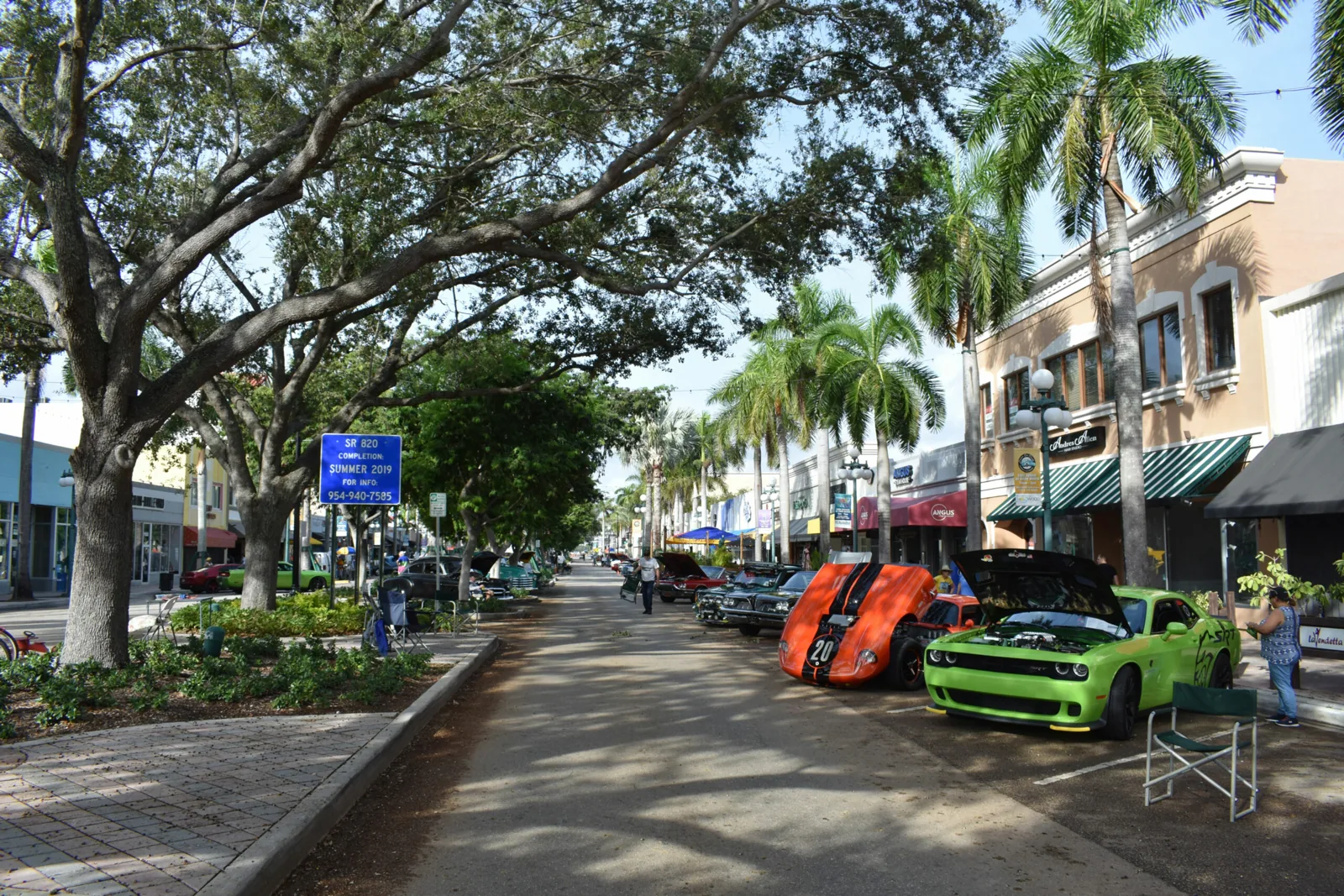
Before climbing to the roof, we verify who controls access, whether an escort is needed, where a lift could stage and which business entrances must remain clear. The manager confirms the property's approved driveway, loading area, and roof entrance before a crew or lift is scheduled. A manager can flag equipment shutdown limits, tenant notice and any time when rooftop access is restricted.
We map reachable roof zones and mark the transitions, mechanical curbs, perimeter details and outlets that may affect a leak or future repair. If a leak appears indoors, we compare the reported room with details above and nearby drainage paths. Water can travel through an assembly, so the first visible stain may not define the repair zone. We document observed damage separately from a suspected path that may need testing. A commercial inspection records accessible findings; a drone inspection can review upper-level details when a close approach is not safe during the initial visit.
Miramar extends from the Everglades on the west to State Road 7 on the east, and Miami-Dade County forms its southern boundary. That larger geography matters to regional access planning, not to a particular roof's construction. We keep the inspection focused on the building and its actual perimeter conditions. If drawings or old work records exist, they can help identify layers, but we verify what is visible before writing the scope.
Limit Openings Before the Afternoon Rain
South Florida's wet season brings frequent showers and thunderstorms, while tropical bands can stretch the period of rain and wind. We set a safe opening limit and dry-in line before removing roof material. Lightning, unsafe wind and wet footing stop roof work. The active section is protected before crews begin another area, and the next shift checks that closure before proceeding. A weather update should include the roof zone protected and the condition required for restart.
The long-term Fort Lauderdale normal records 60.95 inches of precipitation per year. At Miramar Town Center, we inspect the actual roof outlets, scuppers, overflow paths, and low spots around curbs or equipment. If water remains, the next step may be clearing a visible blockage or testing a suspected slope or moisture issue. A drainage review can map outlet access. For a recurring low area, a focused ponding-water assessment can separate the symptom from the underlying cause.
Application conditions matter after a rain hold. A membrane patch, coating or flashing repair may require a dry and prepared surface. We verify the substrate before installation and set a realistic return window when the roof is too wet. That protects adhesion and leaves time to close the work zone securely before the shift ends.

Use the District Map Without Assuming Site Permission
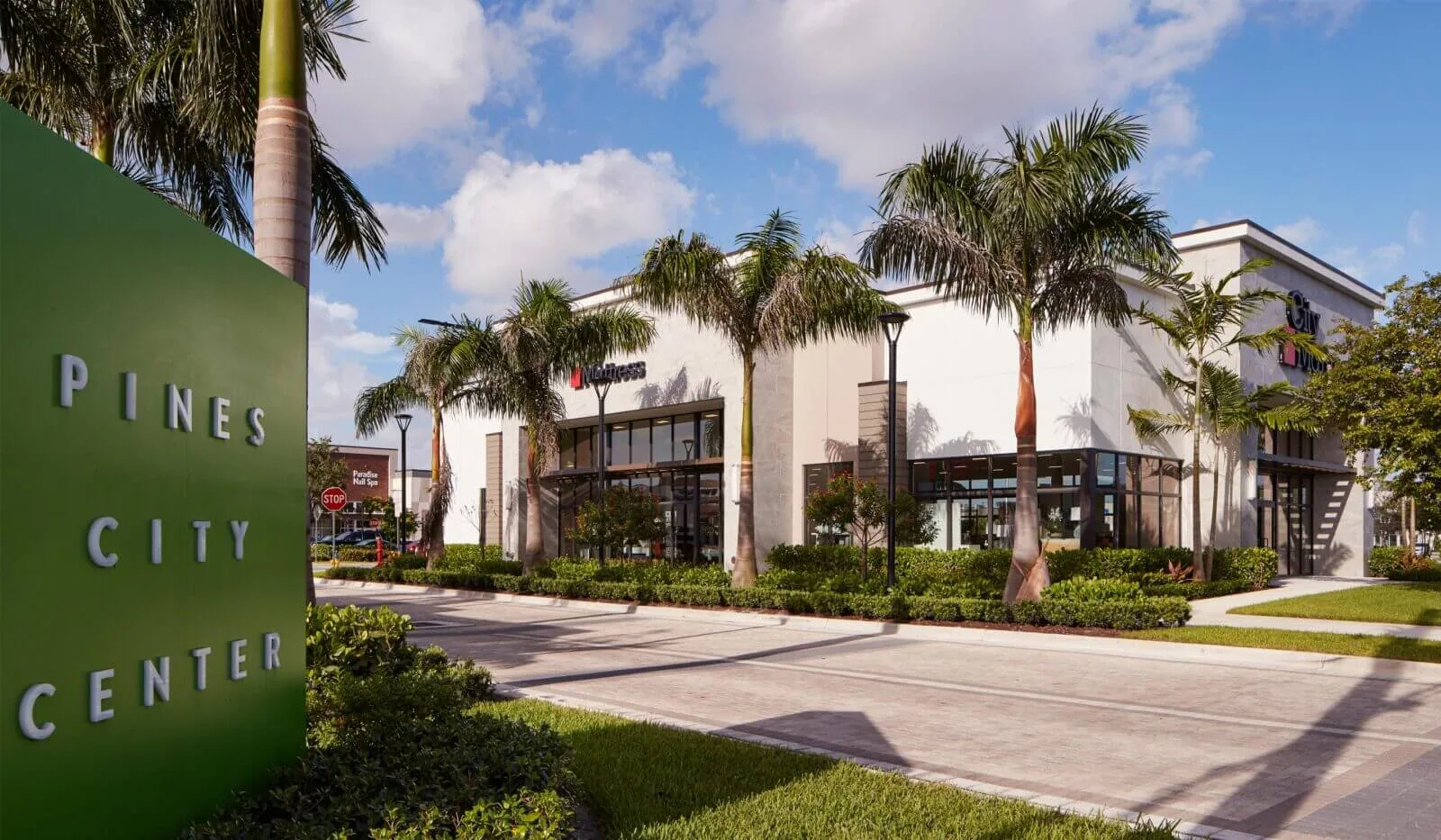
I-75 and the Turnpike Extension connect to the broader Miramar area, but those routes do not tell us how a truck enters a property or where materials may be stored. The manager confirms entrance restrictions, lift staging, waste removal and any requirement to keep tenant or public paths open. If work needs a crane or a delivery outside normal hours, those approvals and costs should be visible before mobilization.
A phased reroof may keep one portion of a building available while a separate roof zone is opened and closed. The sequence depends on roof geometry, safety, weather exposure and the equipment that must remain active. An occupied-building plan can define the handoff between shifts. A maintenance visit can revisit accessible drains and transitions after repairs, when the owner wants a record of changing conditions.
If other property work is underway, we coordinate roof edges and drainage with the active scope. New equipment, parapet work or a changed route can affect how water reaches the roof perimeter. The crew records any interface that requires another trade or approval rather than extending the work without authorization. A clear contact path lets the manager decide whether to protect, test or proceed when a concealed issue appears.
Compare the Roof Choices after Inspection
Repair fits a confined seam, penetration or flashing issue when the surrounding assembly is still serviceable. A recover should be considered only after the existing layer count, attachment, moisture, substrate and project requirements are known. Replacement becomes a stronger option when deterioration spans several zones, water is confirmed within the assembly or repeated repairs have not controlled exposure. We tie the recommendation to observed details and identify what additional test could change it.
Cost and duration can vary with removal depth, insulation, deck condition, drain work, edge details, lift access, tenant hours, material staging and debris routes. The estimate should state its work boundary and the approval point for concealed conditions. A recover evaluation can compare retaining the existing roof; replacement planning can define tear-off and installation. If a leak is active, emergency repair may stabilize exposure while the permanent scope is decided.
Permit review depends on the individual building and proposed assembly. District boundaries and regional highways do not answer code questions. We give the owner a clear description of the roof zones, materials and transitions included for coordination with the project team.
Give the Manager a Usable Roof Handoff
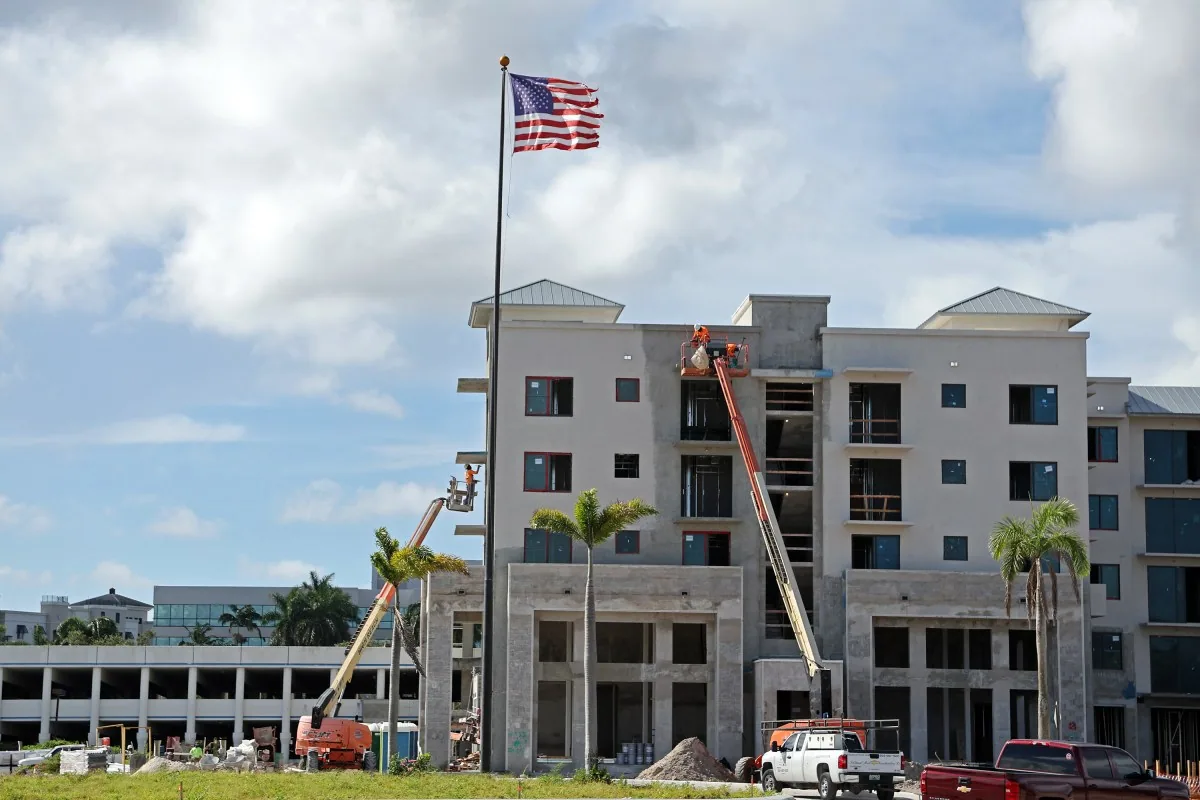
The closeout lists areas inspected or repaired, photos of key details, access restrictions and decisions still awaiting approval. If a moisture condition was suspected but not confirmed, the record identifies the test needed. If weather moved the schedule, it notes the dry-in boundary and restart check. That gives the next shift a specific starting point rather than a general statement that the roof was reviewed.
Miramar's east-to-west reach and Town Center's regional connections provide geographic context, but the work record belongs to the inspected property. We name the drains, curbs, seams and roof zones addressed and identify what remains inaccessible. The manager can then coordinate the next visit with tenant hours and any equipment shutdown.
Before completion, confirm all temporary closures are secure or removed as agreed, debris and materials are cleared, and ground routes can reopen. Review each open recommendation with the person authorized to approve the next step. A concise handoff protects the building and makes later maintenance more efficient.
Related Roofing Work
- Coral Springs
- Pembroke Pines
- Commercial Roof Inspection
- Commercial Roof Drains and Scuppers
- Occupied Commercial Building Reroofing
- Preventive Commercial Roof Maintenance
- Commercial Roof Recover
- Commercial Roof Replacement
Browse every page in Service Areas, or request a roof assessment and we will walk the roof with you. Call 555-555-5555.

Questions Owners Ask
Do the Town Center boundary roads show where the crew can stage?
No. They locate the district but do not establish permission to use a property's drive, loading area or parking. The manager confirms the approved entrance and staging plan.
How do you handle roof access near active tenants?
We identify roof-entry rules, escort needs, operating hours, equipment limits and entrances that must stay open. Those constraints define the inspection route and daily work zone.
Can rain stop work after the roof is opened?
Yes. The crew follows the agreed weather stop point, closes the active zone at its dry-in line and verifies protection before opening another area. The manager receives the revised schedule.
What do you check if water remains near a roof drain?
We inspect the outlet, overflow path and surrounding low area. If the condition is not explained by a visible obstruction, further review may be needed for slope, substrate or moisture.
What factors affect a roof replacement schedule in the Town Center?
Weather, access windows, lift staging, tenant hours, equipment, concealed conditions and debris handling all affect timing. The proposal should state those assumptions and approval points.
Share the building entrance, access rules, operating hours and leak history so we can plan the inspection and daily dry-in boundary.