Hotel Roofing in Davie, FL
Coordinate a hotel roof window
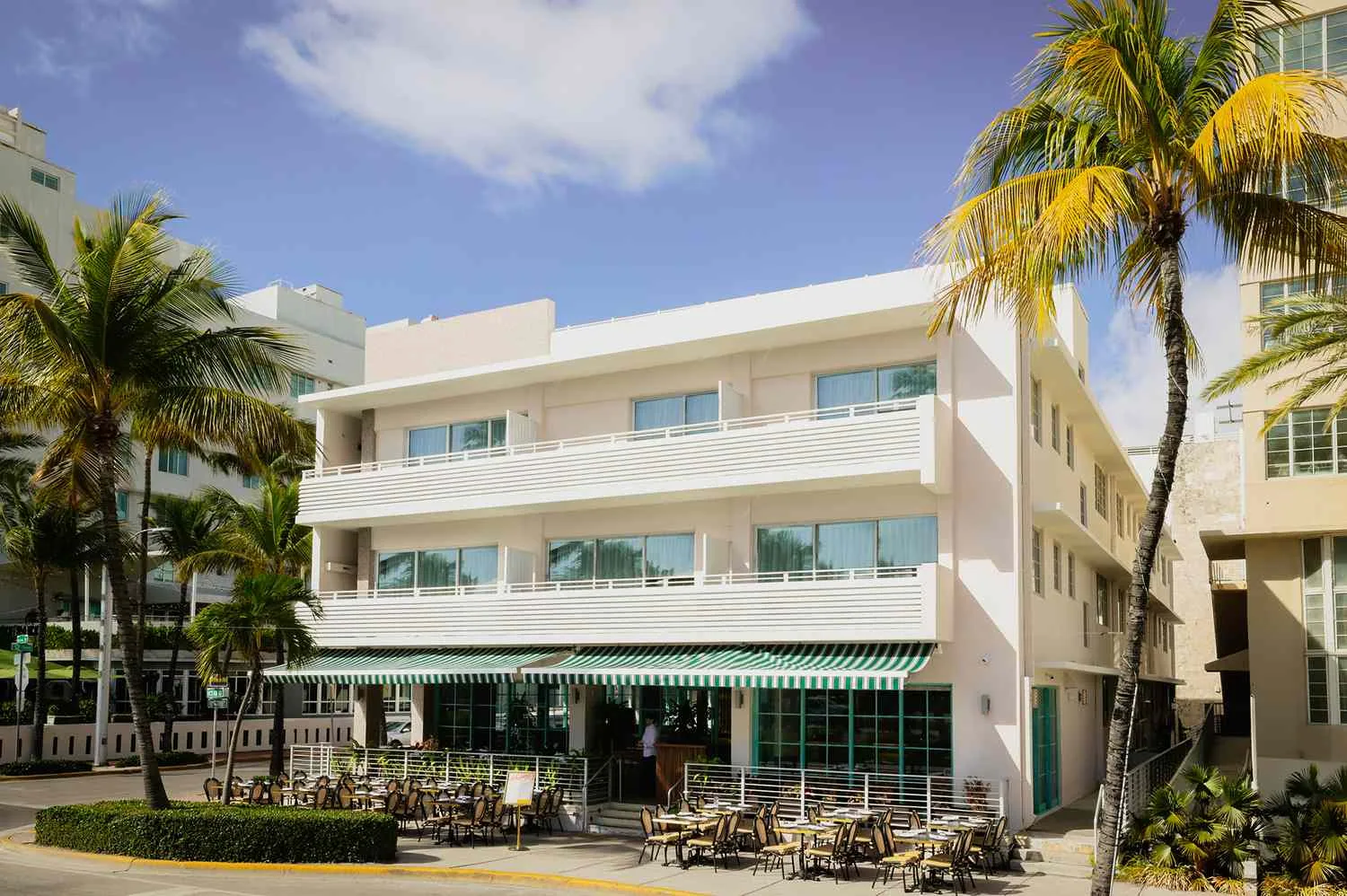
Davie’s wet-season showers can arrive while a hotel is checking in guests or preparing event space. We start by locating the reported leak, confirming which rooms or routes need protection, and reviewing roof access and equipment limits. Then we inspect the likely water path, drains, seams, curbs, and perimeter details. Before an assembly is opened, the property manager gets a work zone, dry-in line, and stop point that account for the guest schedule.
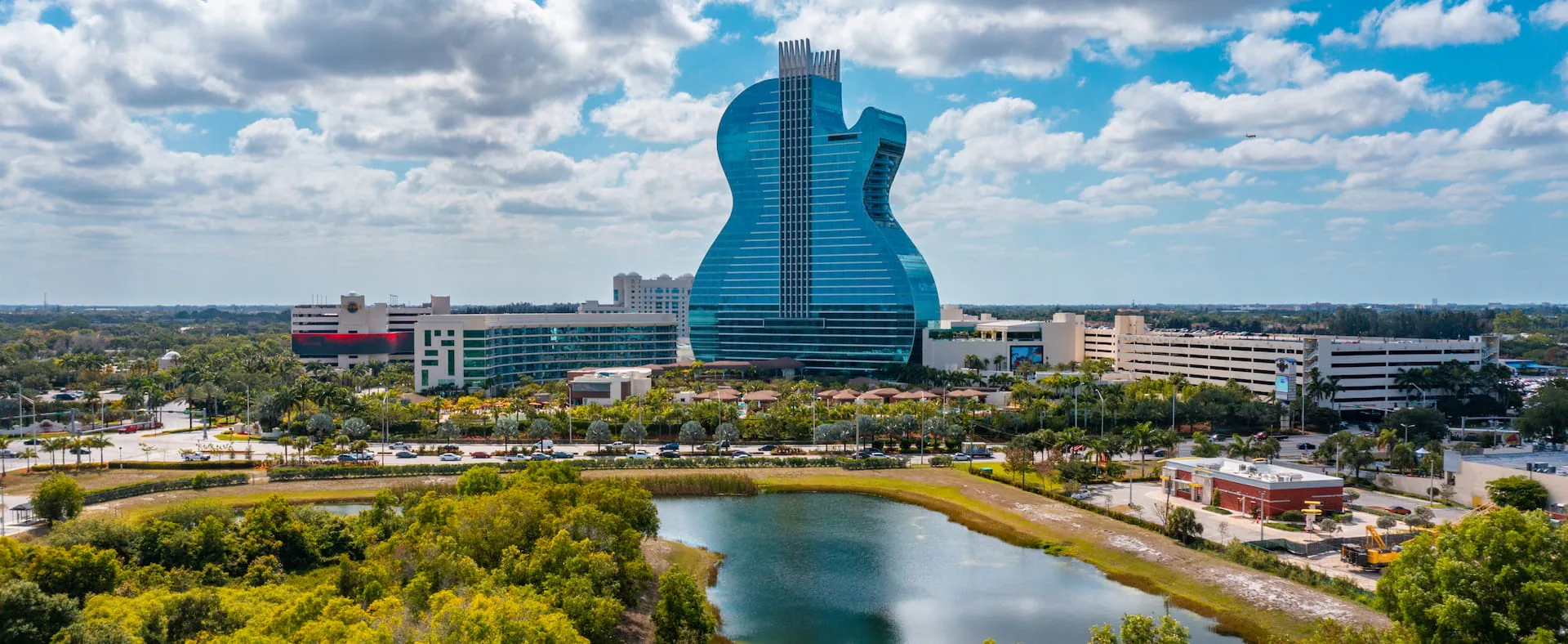
Hotel and mixed-use development is part of the surrounding commercial area. A Pembroke Pines planning record describes interconnected properties along the South 145th Avenue commercial corridor with office, hotel, retail, university, and medical uses. The corridor includes hotel uses alongside several other commercial types; at the hotel, we inspect the installed roof and coordinate with operations. We inspect the actual assembly, coordinate with hotel operations, and record each access limit before recommending work.
Guest routes shape the work plan
Roofing access can affect a porte-cochere, service drive, parking area, pool deck, kitchen route, or guest floor below. We confirm where ladders, lifts, and material staging can go and whether the hotel has an event, quiet period, or room block that changes access. The property contact decides which spaces require notice or temporary closure. The scope names the affected route so staff can communicate a specific change to guests.
Davie Road is the central commercial route through the downtown planning area. Pembroke Pines' South 145th Avenue corridor includes hotel, office, retail, university, and medical uses. At each hotel, management sets the access schedule. A phased occupied-building roof project can move through separate sections, with the daily closeout and guest impact recorded for each phase.
The reported room is only the starting point
Water above a guest room, meeting space, or corridor can travel from a roof detail before it becomes visible inside. We compare the report with seams, drains, penetrations, rooftop units, and perimeter transitions, then mark the likely path and any uncertainty. Staff can help by noting when the leak appeared and whether it changed after rain. We trace water from the reported room to the roof details that could carry it.
If the interior area needs protection, the hotel contact coordinates that work with housekeeping or facilities before the roof is opened. A test area is limited, photographed, and closed to the agreed detail. If moisture may extend beyond a seam or flashing, targeted confirmation can help define the repair boundary. The written scope separates urgent interior protection from permanent correction and from any further investigation.
Drainage affects rooms and shared areas
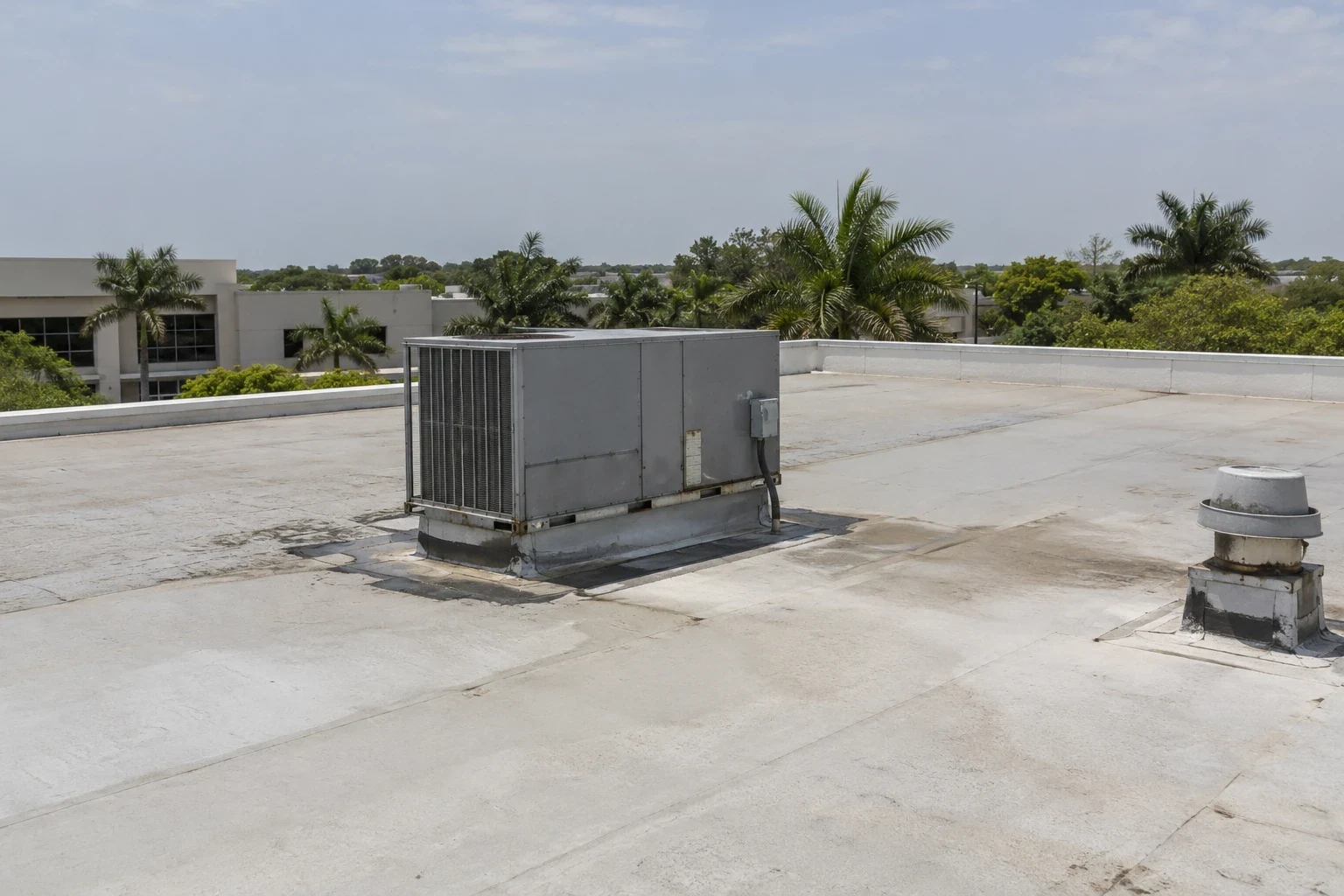
Our drainage check follows the water path through outlet bowls, overflow openings, leaders, and any roof areas where ponding remains. A drain issue can differ from a membrane seam failure even if both appear near the same interior report. We inspect the adjoining roof surface and note whether water can move toward the outlet. Each observation is tied to a roof zone, and any area blocked by equipment or access rules is recorded as not reached.
Repeated South Florida downpours send runoff toward a limited set of roof outlets. We inspect those paths before setting temporary protection, while the visit-day forecast determines the safe work window. A drain and scupper repair can be defined where an outlet is the confirmed problem, without automatically expanding the project to the full roof.
Equipment transitions need compatible details
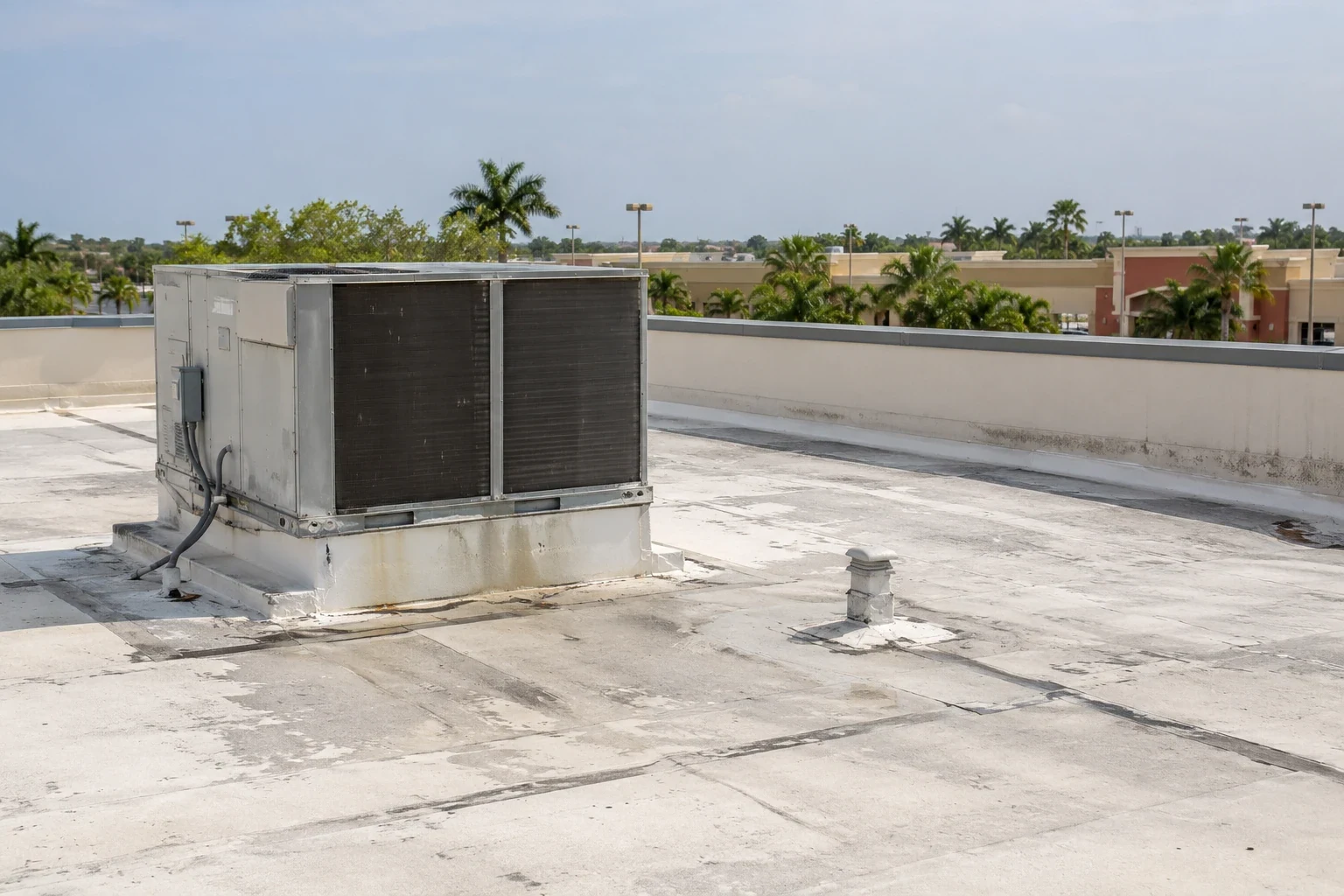
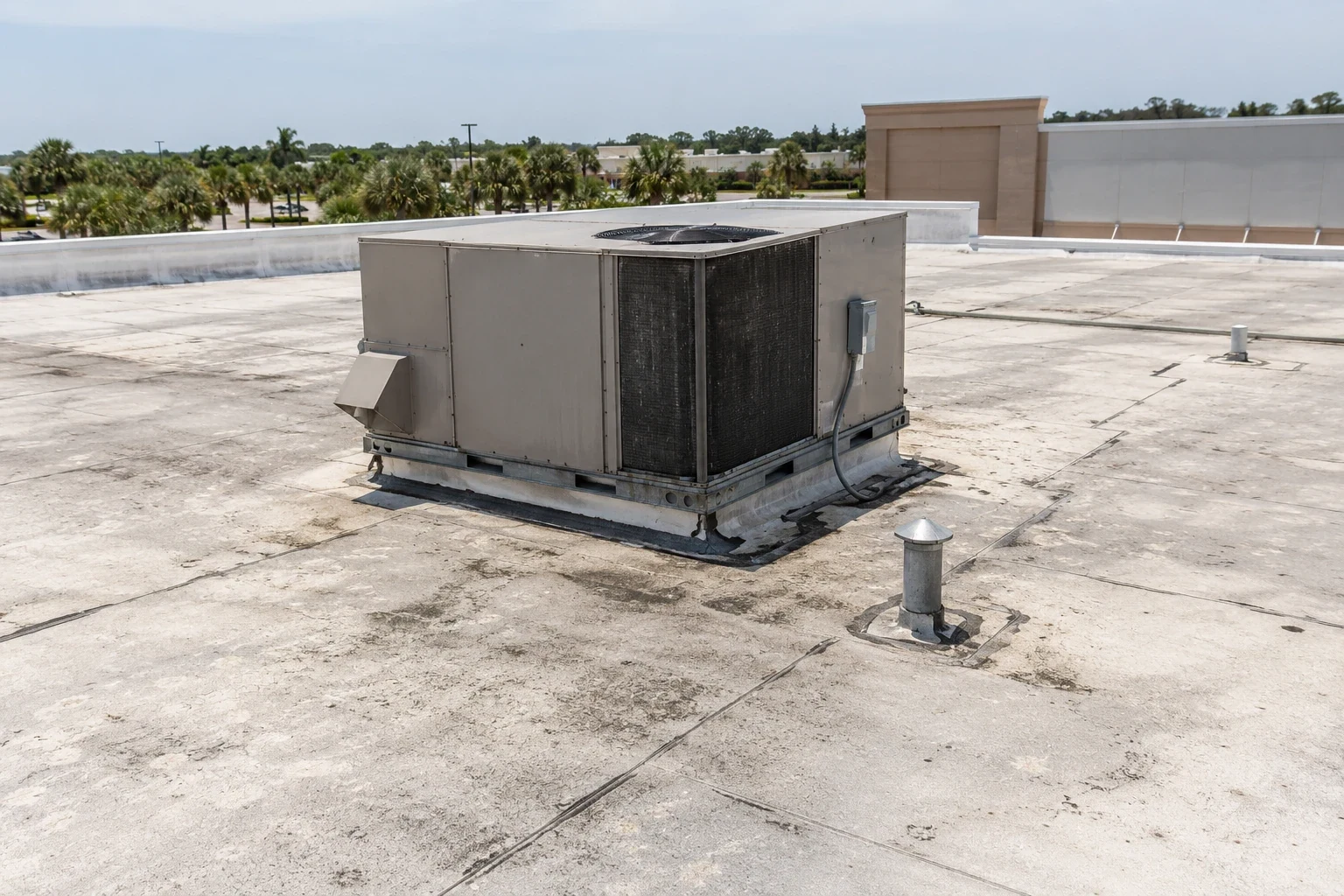
Hotels can have a mix of roof sections, mechanical equipment, kitchen exhaust, skylights, and canopies. We identify the installed membrane or metal system before selecting a patch or tie-in. Around a curb, we inspect flashing height, seams, and signs of movement; at a skylight, we review the curb and perimeter detail. The relevant repair follows the actual condition and system, not a generic hotel checklist.
A skylight and penetration detail review may be useful when the leak path crosses a curb or frame. A PVC membrane requires compatible seam repair, while other assemblies need their own materials. A nearby multifamily building may share occupied-building access concerns, but guest turnover and event timing change the hotel’s sequence. We state which details were inspected and what remains to approve.
Weather can move a guest-facing schedule
High surface temperatures and a quick-moving shower can reduce the usable access slot. During tropical weather, sustained wind and rain may narrow it further. We choose a repair area small enough to close within the approved shift and identify its temporary boundary before disturbing the roof. If the weather turns, the crew secures that zone and tells hotel management what was closed and what remains.
Hotel management can call about an urgent roof condition at any hour, holidays included. The response still depends on safe entry and current weather. An event setup or guest arrival may restrict where a lift can stand, so we confirm that boundary before bringing material up. The closeout records any shift in access, guest protection, or roof-zone status for the next operations handoff.
The roof record separates repair from replacement
A sound field around a curb or seam can support a contained repair. Repeated water entry, saturated insulation, or loose attachment changes the decision and may justify testing beyond the first visible defect. Our review weighs a detail repair against coating restoration, an added assembly, or tear-off based on roof compatibility and drainage. Coating will not resolve hidden moisture, and a recover needs a suitable base layer.
Pembroke Pines’ commercial inventory includes retail, industrial, office, and healthcare properties, and its South 145th Avenue corridor includes hotel uses within a larger commercial district. At the hotel, we inspect the existing assembly and give management a condition map before comparing repair or replacement. A commercial inspection gives management a condition map; a replacement scope should set removal limits, guest protection, equipment access, and approvals. The decision remains tied to what the roof shows.
The handoff gives staff a usable status
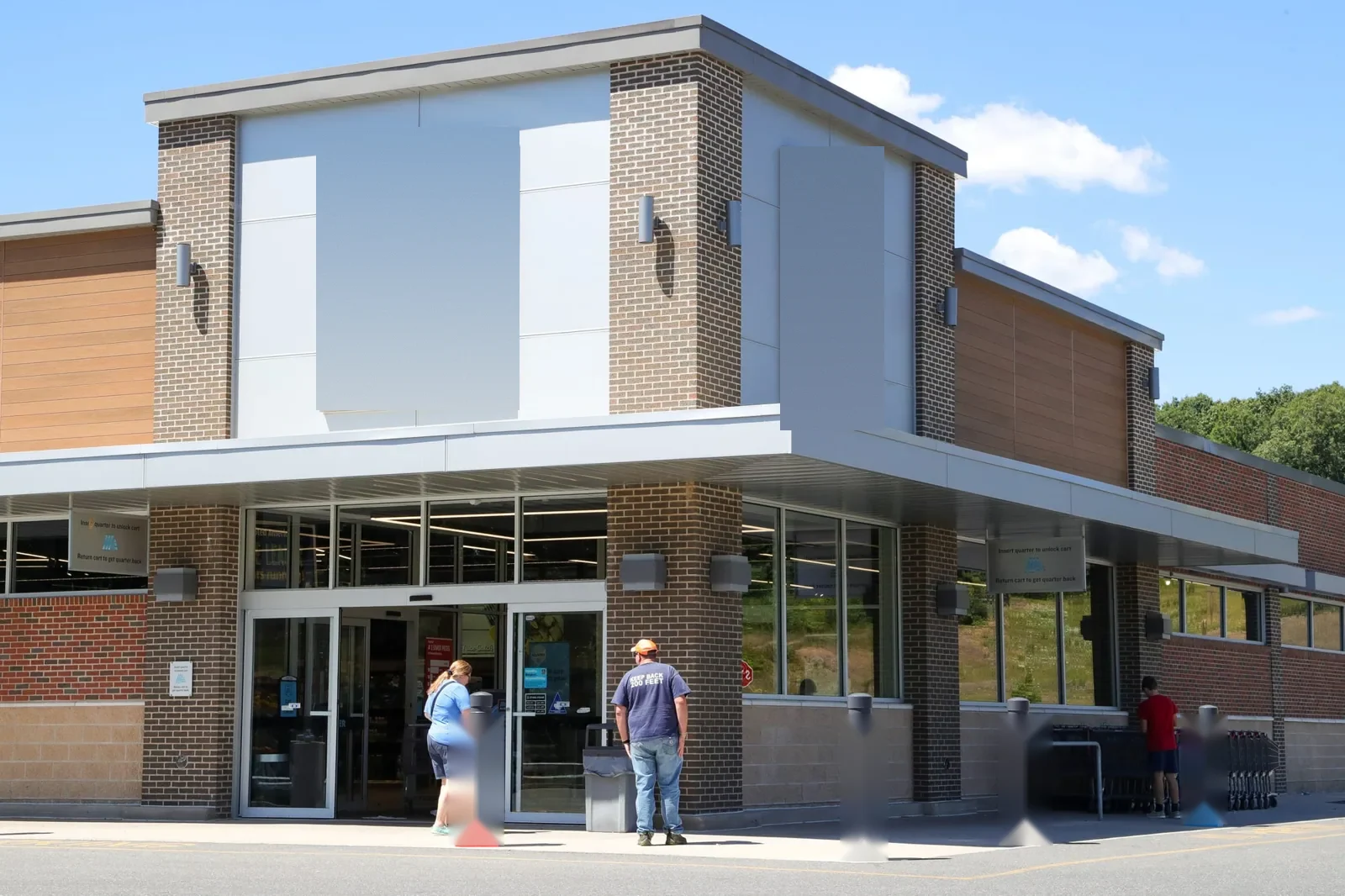
At closeout, hotel staff should know which zones were inspected, what was repaired, what remains under temporary protection, and which areas were not reached. Photos tie to a roof sketch; event, guest, or weather restrictions explain any change in sequence. The manager receives the next decision and the contact who can approve it. That record supports a clear briefing across housekeeping, engineering, and front-desk teams.
The roof condition report can flag unresolved zones and access needs for the hotel’s next maintenance review. A visit near Downtown Davie is planned around the hotel's access route and operating schedule. A restaurant roof schedule may follow service hours; each hotel inspection still stays specific to its roof assembly, access, and occupancy. We close with the next safe work period and any guest route that needs notice.
Related Roofing Work
- Occupied Commercial Building Reroofing
- Commercial Roof Drains and Scuppers
- Commercial Skylight and Penetration Flashing
- PVC Commercial Roofing
- Apartment and Multifamily Roofing
- Commercial Roof Replacement
- Commercial Roof Condition Reports
- Downtown Davie
Browse every page in Property Types We Roof, or request a roof assessment and we will walk the roof with you. Call 555-555-5555.
Questions Owners Ask
Can roof work be scheduled between guest check-in periods?
That may fit a limited repair when the access route and weather window are workable. We coordinate with hotel management on arrival, quiet periods, lifts, and guest paths. Larger scopes need a phase plan that states where the crew works and when that area returns to normal access.
What should staff do after a guest reports a ceiling leak?
Record the room or public area, timing, and rain conditions, then follow the hotel’s interior protection procedure. We compare the report with roof details above and document the likely path. If the cause remains uncertain, the scope identifies the test or opening needed before permanent repair.
Can rooftop work continue during an event?
Only when management confirms the access, noise, staging, and guest routes remain acceptable. We identify lift placement and any work above occupied event space before scheduling. The daily boundary can change if weather narrows the available window.
Does a roof coating solve repeated room leaks?
Not necessarily. Recurring leaks can involve drainage, flashing, seams, or moisture beneath the surface. We inspect those conditions and confirm whether the substrate supports coating. If it does not, the recommendation states the repair or testing needed first.
What does hotel roof closeout include?
It lists zones inspected, findings, photos, repairs completed, temporary protection, and any access limit. We also note event or guest constraints that changed the schedule. The record gives management the next approval and the work window still required.
Share the leak report, guest and event schedule, roof access limits, and available work period. We will map the inspection zone, protection line, and next approval for your Davie-area hotel.