Self-Storage Roofing in Davie, FL
Map the leak before choosing the repair
A self-storage roof has to protect many separate units through the same South Florida rain cycle. A stain may follow a seam, curb, or drain before reaching the ceiling. We trace the report, inspect the assembly, and map the affected area before opening material. The manager receives a work boundary, closure plan, and stop point for weather or access changes.
Davie's SR 7 study area includes industrial uses, automobile-related businesses, commercial services, technology firms, and institutional campuses. Connections toward I-595 and the Florida Turnpike place the corridor in a larger working market. For storage properties, the question is which unit rows need notice, what stays accessible, and how quickly an exposed section can be dried in before an afternoon cell.
Unit access follows the roof zone
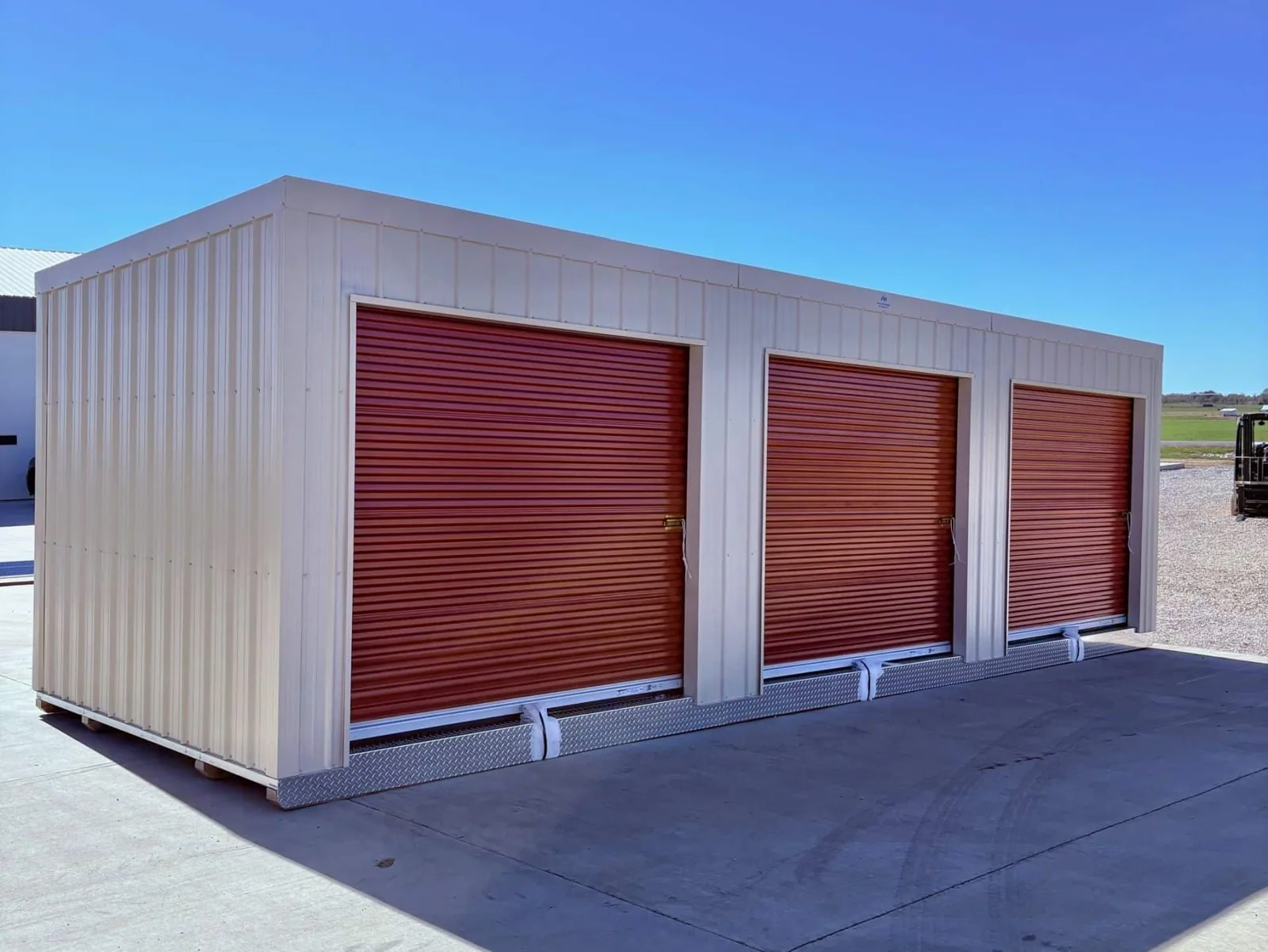
We begin with the manager's leak log and mark each report by building, unit row, and date. Nearby reports may share a drainage path; an isolated mark may follow a different water-entry path. We compare interior locations with seams, penetrations, drains, and prior repairs. No unit is treated as inspected merely because a nearby area was reached.
Before mobilization, the site contact identifies occupied units, delivery lanes, gate rules, and any area where a lift cannot travel. A phased occupied-building roof plan can separate active work from customer access, with notice tied to the affected row rather than a vague property-wide closure. We state which doors or drive aisles need temporary control and who will reopen them after the roof zone is safe.
Water paths need a roof map
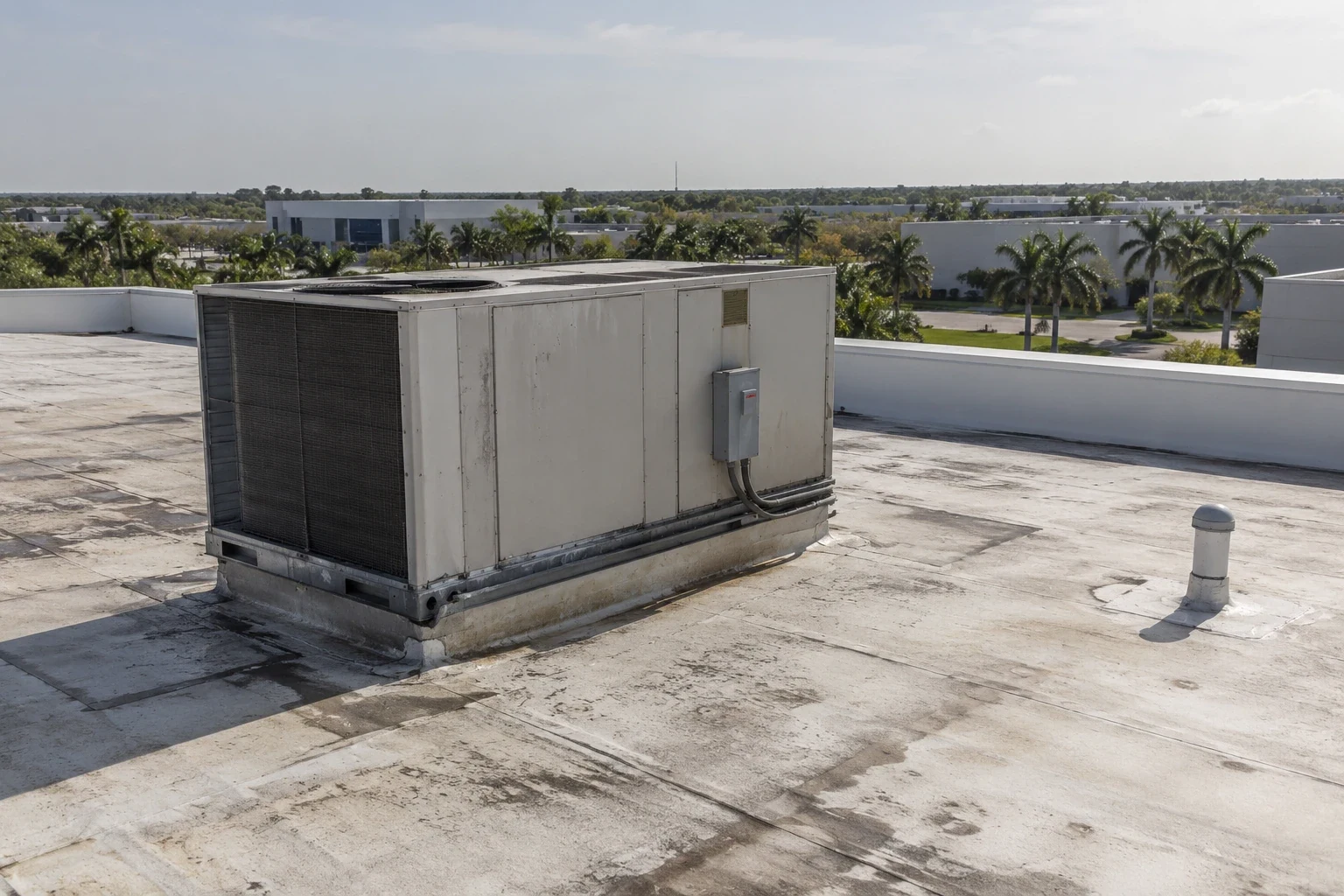
Storage buildings often have broad roof planes, repeated penetrations, and long drainage runs. Those features make a roof map useful: it connects each reported leak to a specific seam, curb, perimeter, or outlet. We note inaccessible spots and concealed conditions that need a test opening. A ceiling mark alone does not identify the entry point.
South Florida's wet season runs roughly from mid-May through mid-October, when frequent showers and thunderstorms can test a temporary repair soon after work. In Fort Lauderdale, long-run annual rainfall measures 60.95 inches. Across South Florida, a concentrated rainy period arrives from the second half of May into October, bringing frequent showers; we check drain access and overflow routes before setting a dry-in boundary. Our commercial roof inspection records those observations by zone and identifies the next test or repair.
Drainage governs the next rain gap
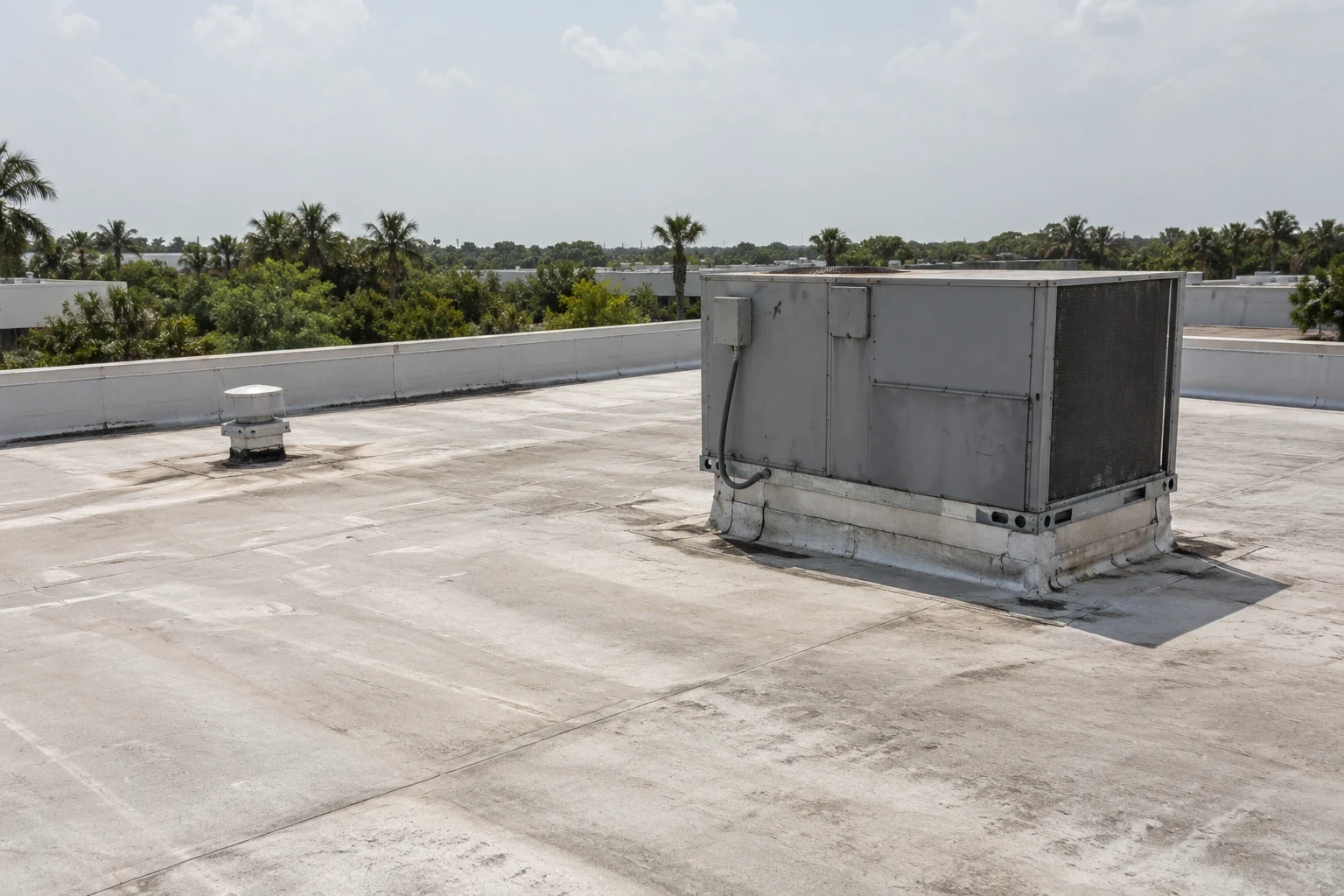
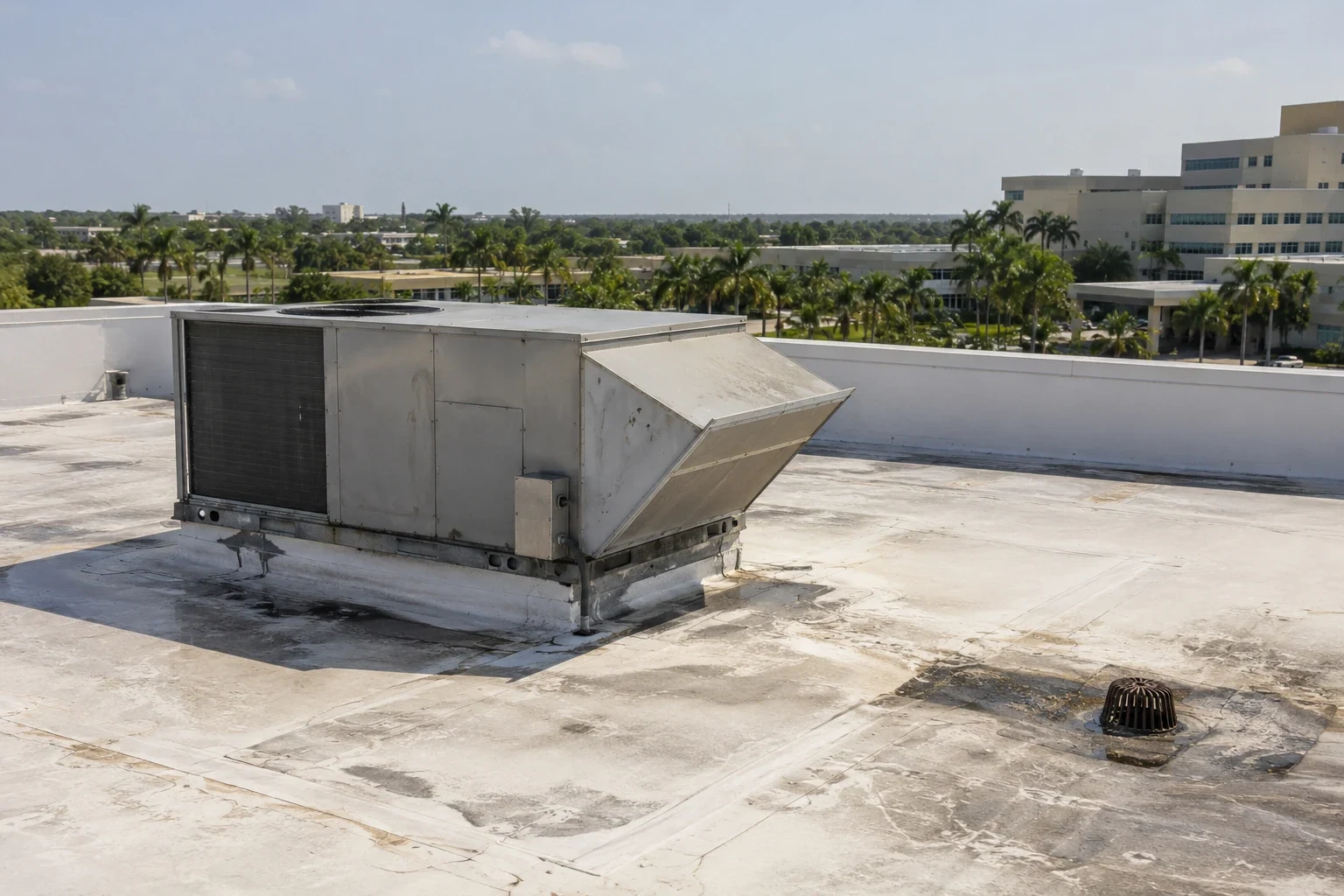
We check drain bowls, strainers, scuppers, leaders, overflow routes, and visible low areas. Debris can restrict an outlet, but persistent ponding may also involve slope or a downstream connection. We note whether clearing restores flow or whether a follow-up check is necessary. If water is present, we record where it stands and whether the roof surface was safe to inspect.
A blocked outlet on a long storage building can affect units far from the drain itself. We compare the roof-side finding with the interior report and name the unit rows potentially connected to that zone. A drain and scupper repair may share a visit with seam work when both conditions are confirmed; otherwise we keep the drain question open for testing. Davie Road serves the town's central planning area, while SR 7 links wider commercial and workplace uses; travel context helps set arrival timing, but the property layout determines the work sequence.
The membrane sets the repair choice
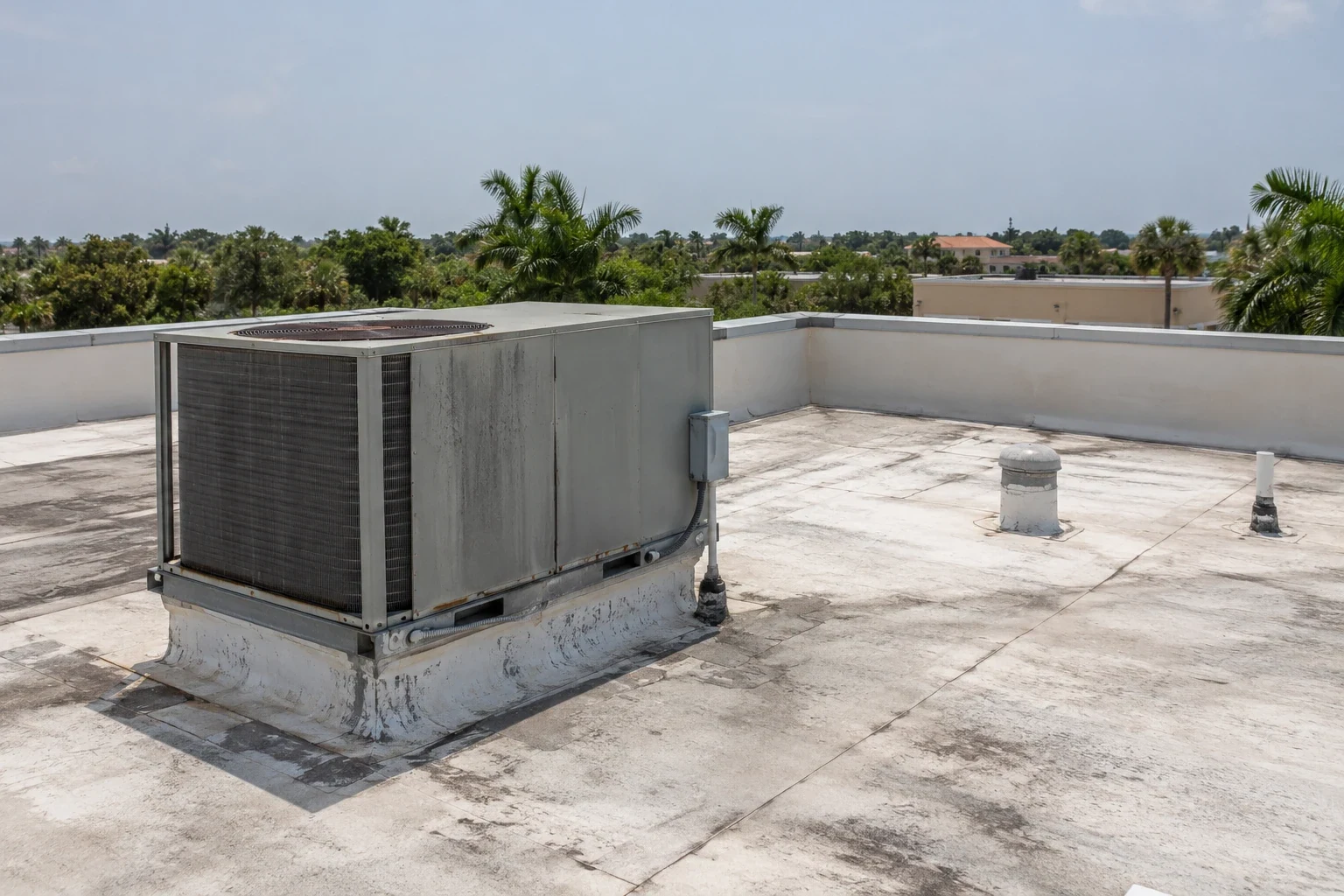
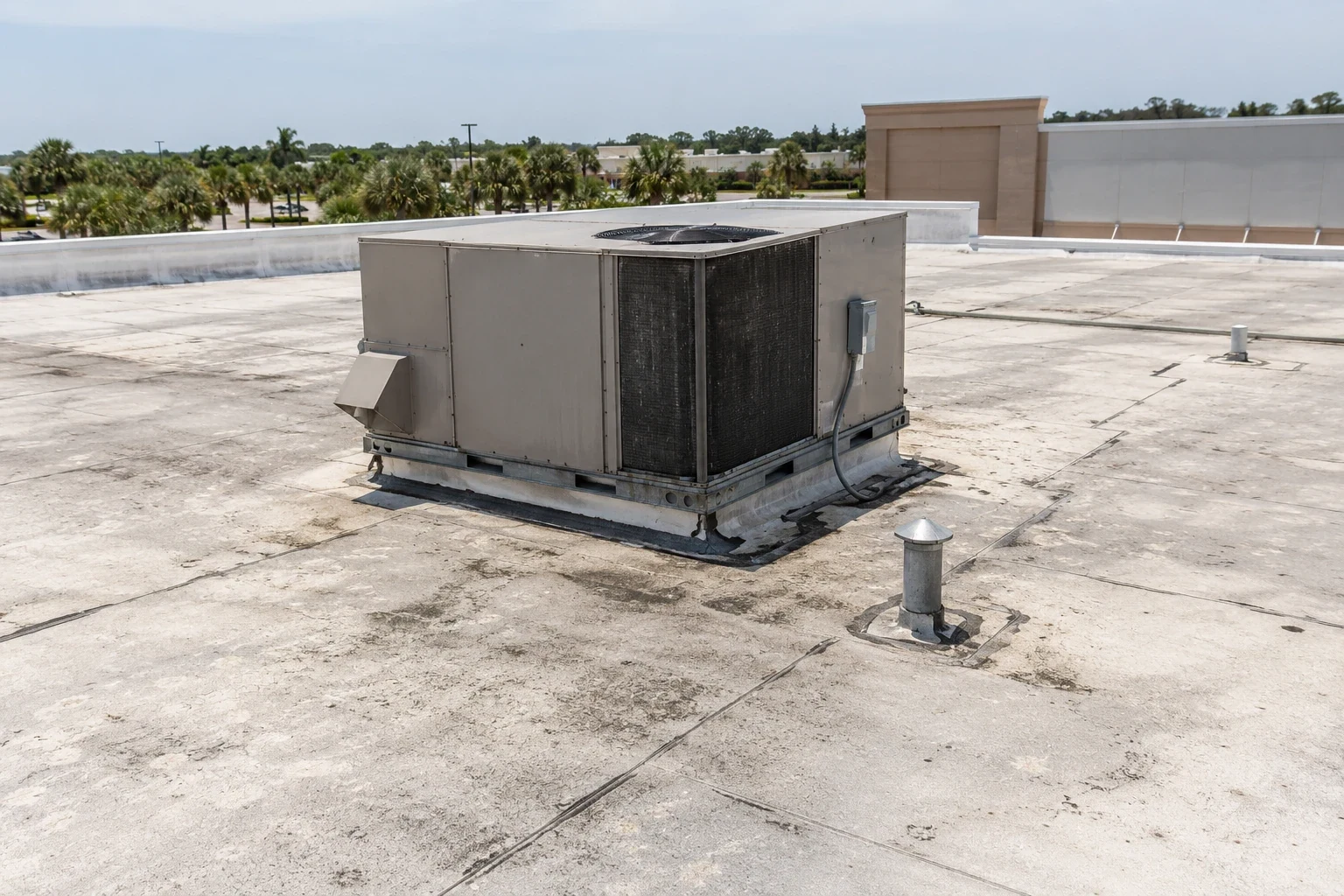
A compatible repair begins with identifying the installed material. We inspect the storage roof for single-ply membrane, asphaltic layers, metal panels, or a combination, then match repair detail to the surface. At seams, we check bond and weld condition. At curbs and pipes, we inspect flashing transitions. At edges, we look for movement, loose metal, and water entry behind the termination. A patch over wet or unsound material does not resolve the concealed problem.
A limited defect with sound surrounding material may support targeted repair. Wet insulation, widespread seam failure, or repeated leaks can justify test cuts or a broader proposal. A commercial roof repair scope distinguishes immediate protection from permanent work. If an overlay is under consideration, recover planning depends on the existing assembly, moisture findings, and attachment; trapped water cannot be sealed away. We explain what the inspection confirmed and what remains unknown before the manager approves a path.
Heat and rain set the work window
During July and August, outdoor work faces South Florida heat index values that frequently top 100 degrees. We limit the crew's roof time and define a manageable work area for the day's conditions. Materials remain clear of customer lanes, and breaks are built into the work period. If a storm cell builds, we protect the unfinished area first and reset the work order after conditions pass.
South Florida also faces tropical systems and outer bands that can bring wind and heavy rain across the region. We tell the manager how the active area is protected and what conditions allow return. Urgent leaks can be reported any time of day or on holidays. A safe route and current conditions determine the immediate response. A storm assessment records observed conditions without treating a warning as proof of roof damage.
Customer notice protects occupied units
Customers need a practical notice before work affects a unit row, gate, drive aisle, or loading point. We coordinate the notice window with the manager and identify any noise, odor, or material movement that changes access. If a unit must be entered to trace a leak, the request and authorization stay with the property contact.
For work over stored goods, we define the roof zone and whether protection below is needed. A temporary interior measure can reduce exposure, but it does not replace a roof repair. When a drain test, probe, or test cut is proposed, the manager receives the reason, exact roof area, and closure method first. Nearby Pembroke Pines has a broad industrial and distribution area, while Davie's SR 7 corridor mixes industrial and commercial uses. The roof planning questions overlap with a warehouse roof or a distribution center roof, but the sequence is set by the storage site's own traffic and operating rules.
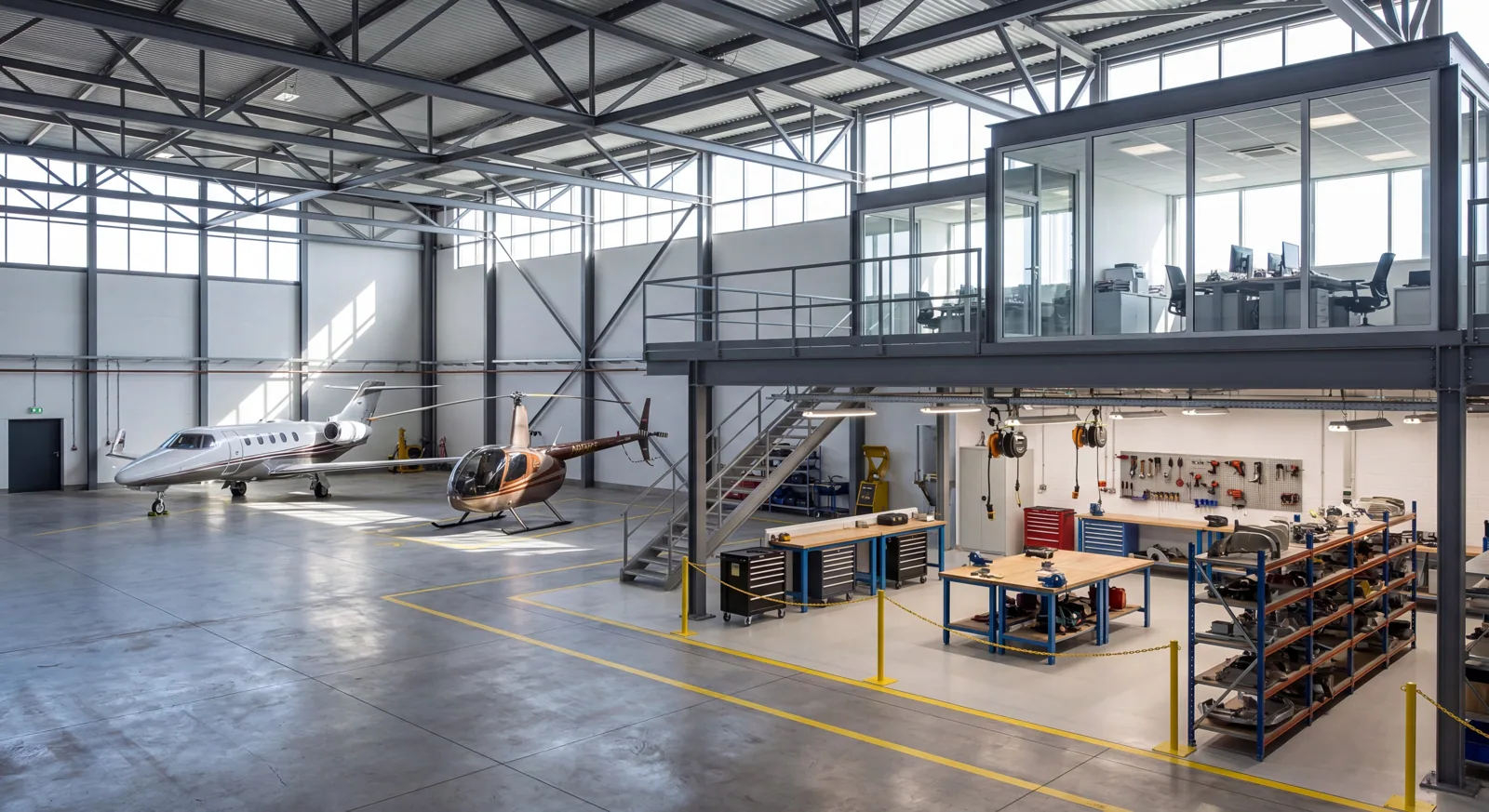
Closeout returns each row to service
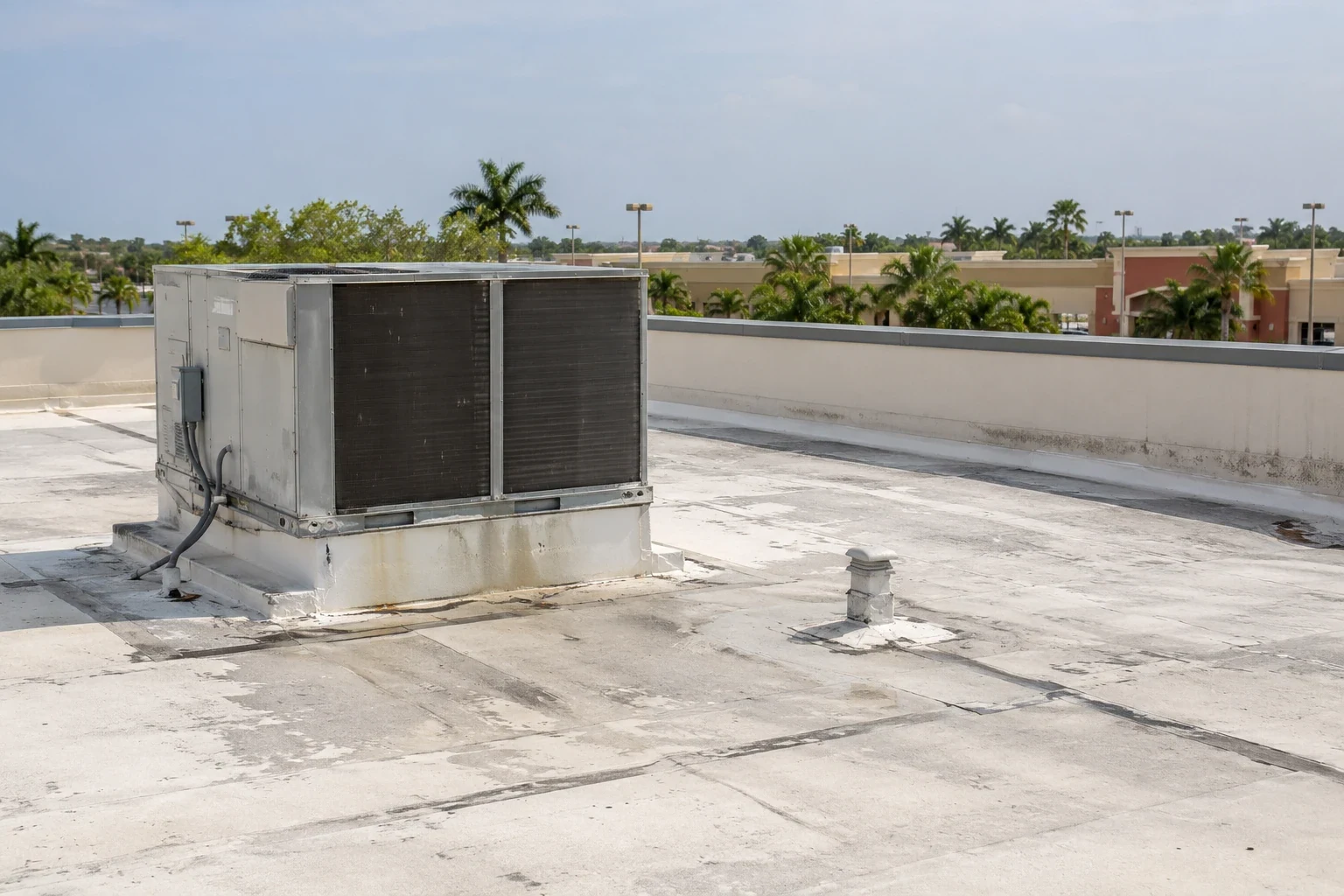
The manager receives a roof-zone map, photos, completed repair details, and any area blocked from inspection. We label temporary cover separately and assign the next test or approval. Each unit-row report can then be matched to a finding or a clearly open question.
A photo-based condition report can help maintenance staff track open items over time. If inspection finds a broader replacement need, a replacement scope identifies removal limits, unit notice, access, and weather protection before scheduling. Near the Davie SR 7 and US 441 corridor, a storage-site visit still depends on its unit map, gate rules, and approved work period. That is the record the next manager can use when a new leak report arrives.
Related Roofing Work
- Occupied Commercial Building Reroofing
- Commercial Roof Inspection
- Commercial Roof Drains and Scuppers
- Commercial Roof Repair
- Commercial Roof Recover
- Commercial Warehouse Roofing
- Distribution Center Roofing
- Commercial Roof Replacement
Browse every page in Property Types We Roof, or request a roof assessment and we will walk the roof with you. Call 555-555-5555.
Questions Owners Ask
Can the site stay open during a storage roof repair?
Usually, when the work footprint and customer route can be separated. We set any temporary gate or aisle restriction with the manager and name the units affected. If a safe access route cannot remain available, the schedule moves to an approved window.
Why can a leak show up several units away from the roof entry?
Water can travel along insulation, deck flutes, or framing before it becomes visible. We compare interior marks with roof seams, penetrations, and drainage paths, then document what the inspection can confirm. A test opening may be needed when the path remains concealed.
What happens if afternoon rain interrupts the repair?
Before leaving, we secure the current opening and contact the manager with the remaining scope. The update identifies protective cover, work still due, and the next weather window. The unit row stays restricted until the roof is ready for customer access.
Can a coating solve recurring water over storage units?
Only when the existing assembly and moisture conditions support that approach. A coating does not dry wet insulation or correct a failed drain. We inspect the roof, explain the limits, and compare repair, recover, coating, or replacement when the evidence supports those options.
What should the manager prepare before the inspection?
A leak log, unit-row locations, access rules, prior repair records, and any customer notice limits help set the visit. We confirm roof access and identify areas that require authorization before testing. The report notes any zone that could not be reached.
Share the unit-row reports, gate rules, and access window. We will trace the roof zone, explain the closure point, and give your Davie-area storage property a clear next approval.