
Sika Sarnafil Commercial Roofing in Davie, FL
Set the PVC Roof Review
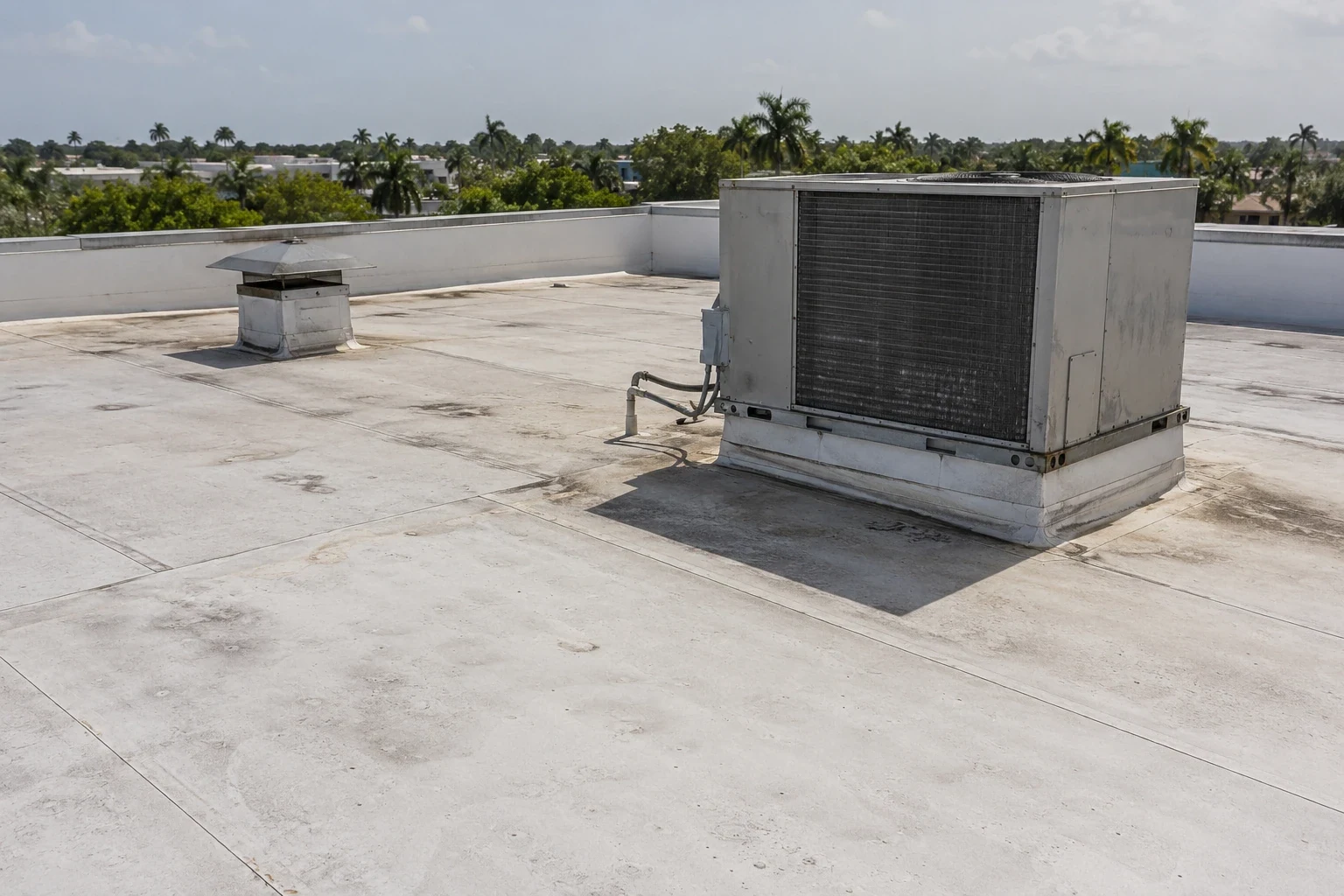
Heat and heavy seasonal rain put the installation window in the center of a Davie roof decision. Before proposing Sika Sarnafil PVC, we inspect the current assembly, map water paths, and agree on how each open area will be protected if weather interrupts the work. Sarnafil and Sikaplan are Sika PVC membrane lines, and Sika describes adhered and mechanically attached roof configurations. The material still has to match the deck, insulation, details and project design. A large roof near Davie’s SR 7 corridor may have a different equipment layout than an office or industrial property in Griffin Road Corridor; inspection sets the scope for the building in front of us.
Make the PVC Choice Specific
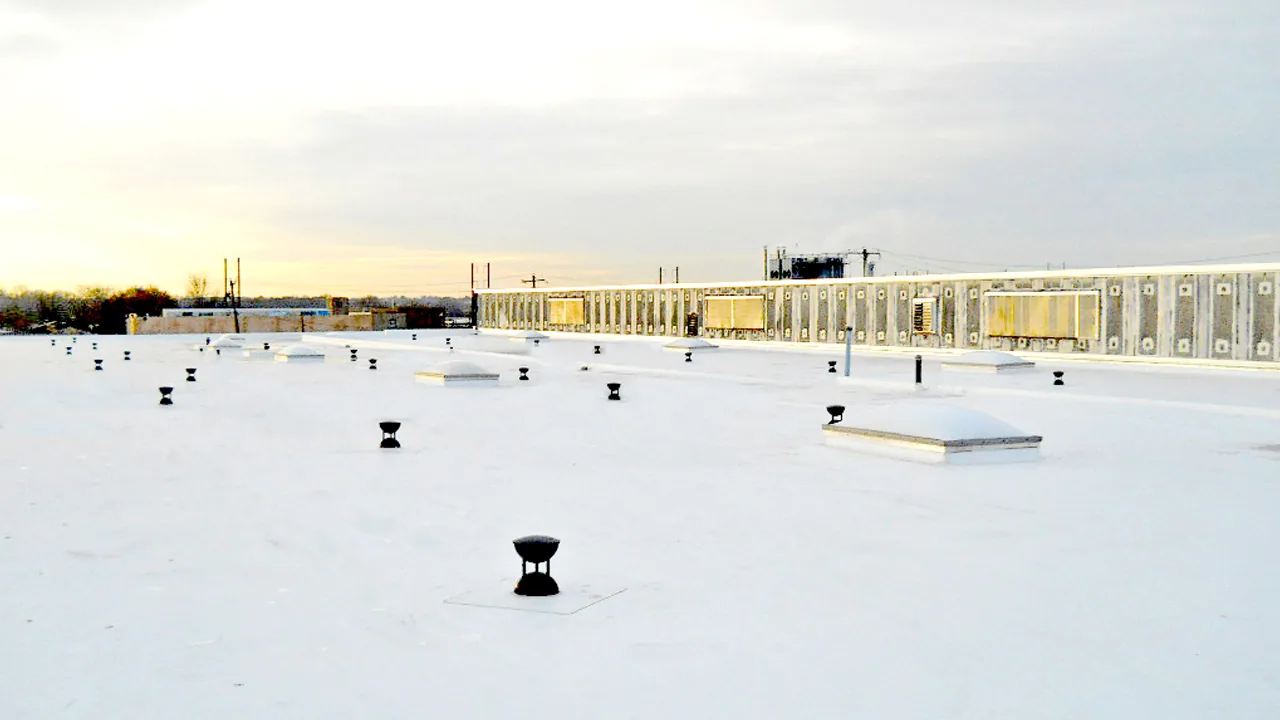
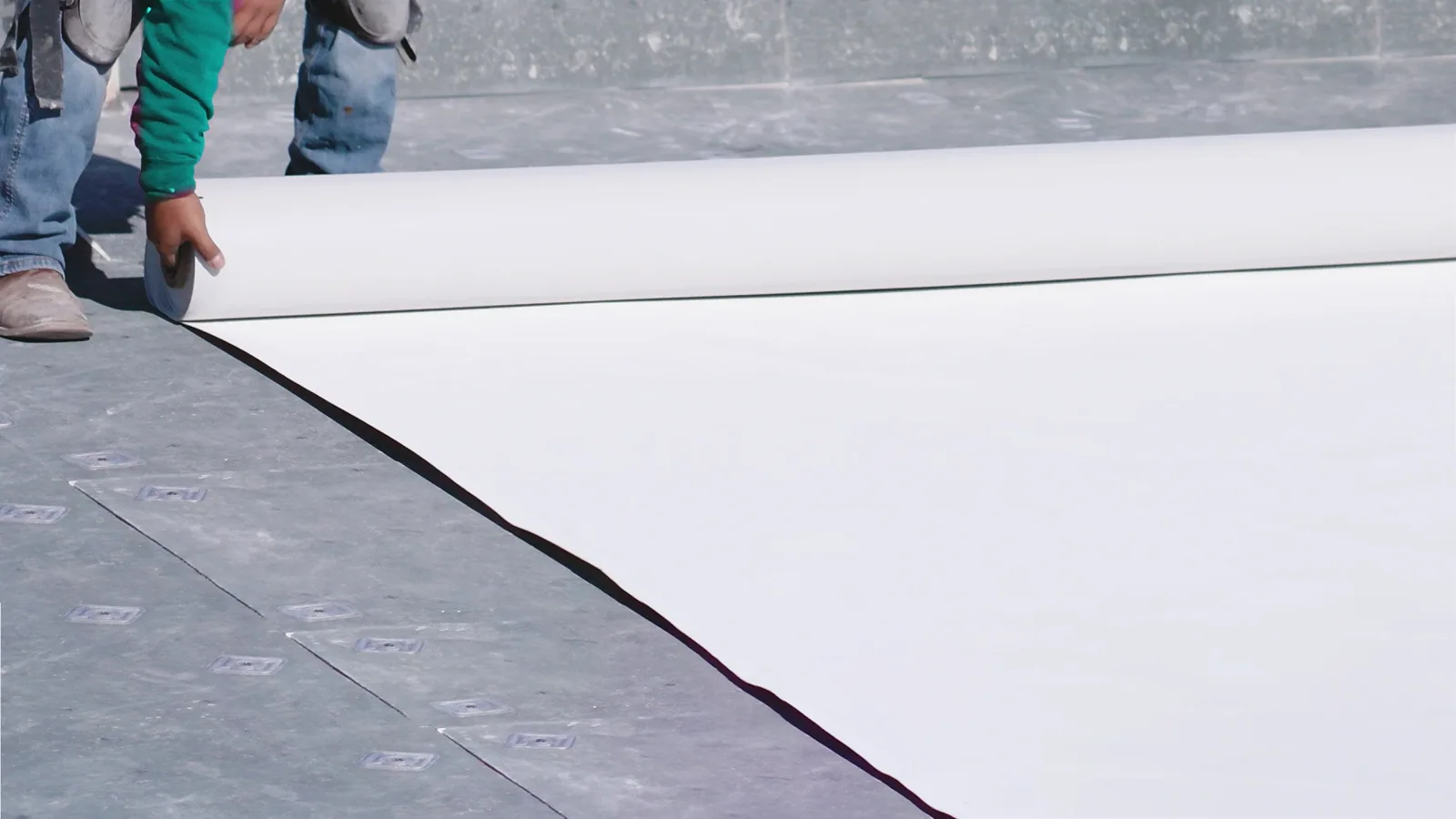
PVC is a thermoplastic membrane joined at seams with hot-air welding. Sika’s commercial roof systems include Sarnafil and Sikaplan product families. A project still needs a defined membrane, thickness and reinforcement, attachment method, insulation layout, perimeter design, flashing details and approved components. Those decisions are tied to the roof geometry and project requirements. We do not treat a membrane family name as a complete specification.
During the inspection, we identify the existing layers, check whether moisture may be present below the field, and review substrate stability and transitions. We locate roof drains, overflow paths, curbs, pipes, skylights, edge conditions, and equipment that could constrain movement. At penetrations, a detail may require additional field measurement or a selective opening before the work can be priced accurately. A PVC system review can focus the discussion on seam and flashing requirements, while a replacement scope needs to resolve what happens to the layers below.
Treat Each Weld as a Work Step
A welded seam depends on clean material, correct preparation, equipment control and a testable finished joint. We plan how material moves across the roof, where seams land, and how corners and changes of plane will be closed. The installation record should note the roof zones completed and any area where access or weather limited the inspection. We also identify the material staging point and the route used to move rolls, adhesives, and tools, because those choices affect both roof safety and the time available for each work area. If a section is still warm, wet or contaminated, the work pauses until the surface is suitable; forcing a seam into a poor condition creates avoidable rework.
In South Florida, warm-season showers can return during a planned shift, and the wet season extends from roughly mid-May through mid-October. We set a daily opening limit and dry-in line before membrane removal. Davie's SR 7 corridor includes industrial and technology businesses, while Davie Road runs through the downtown commercial and mixed-use center. Those local settings make staging, roof access and tenant notice part of the sequence. A manager can reserve an access slot and identify any area that must remain closed to roof traffic. Where the building stays in use, occupied-building sequencing can set those boundaries before work starts.
Connect the Membrane to Drainage
A new PVC surface needs an unobstructed route to outlets. We check drain bowls, strainers, scuppers, overflow provisions and any low area where water remains after nearby sections drain. A membrane does not raise a settled substrate or clear a restricted outlet. If the roof shows recurring ponding, we describe where it occurs and whether measurements or additional assessment are needed. This keeps drainage work from disappearing inside a generic roof-replacement line.
South Florida’s summer heat index often reaches or passes 100°F in July and August. That heat puts additional importance on work timing and surface condition, while an inspection still determines how water moves across the actual roof. We coordinate outlet and overflow locations with insulation slope, curbs, penetrations and the proposed attachment. A penetration and skylight review can address transitions within the field, and inspection documentation can make drainage observations traceable to specific zones.
Check Perimeters and Rooftop Transitions
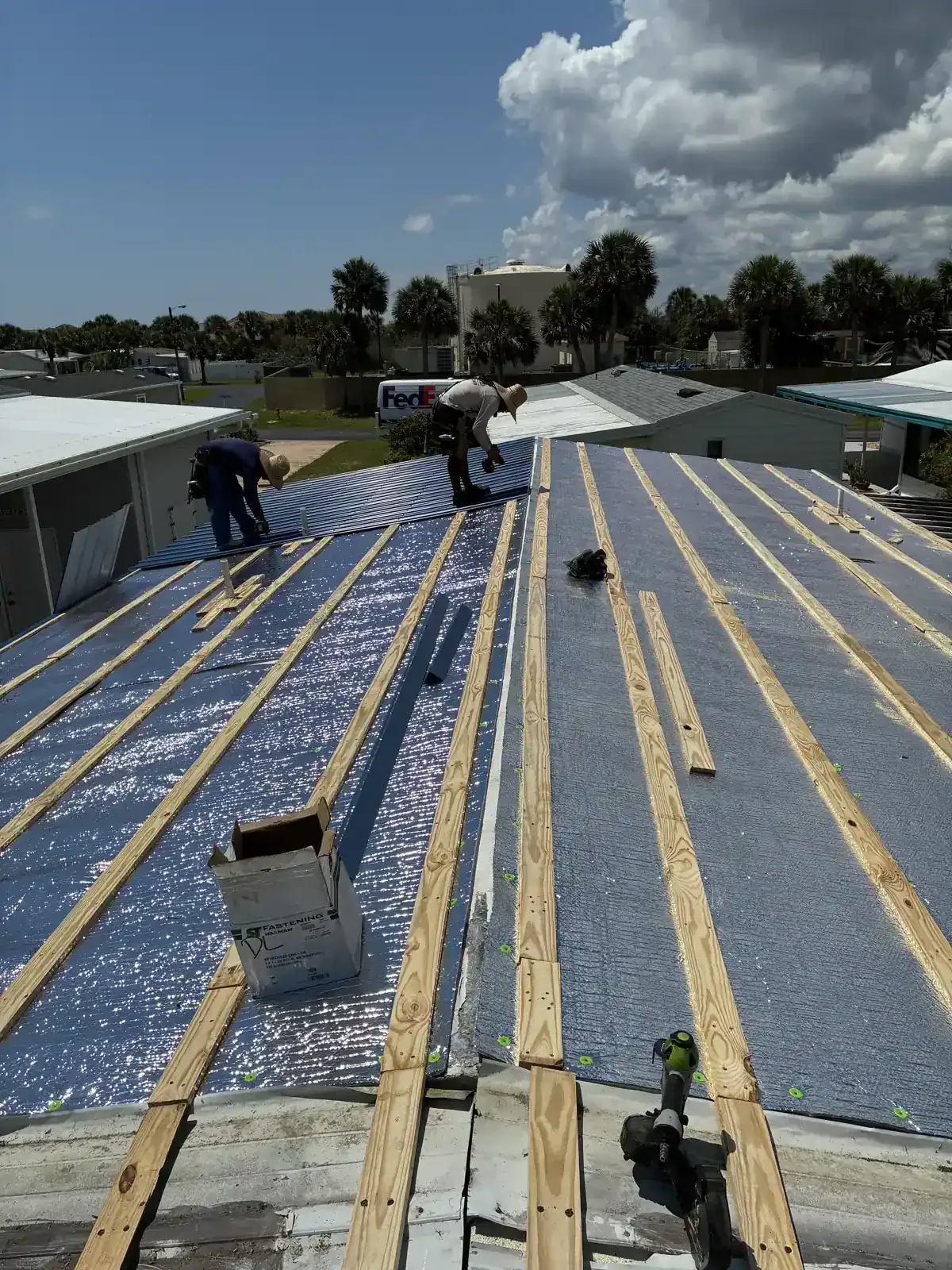
Perimeter details deserve the same design attention as the center of the roof. We review edges, parapets, wall transitions, coping, metal, corners and changes in elevation against the project details. Mechanical attachment or adhered installation must suit the substrate and specified wind design. At curbs and equipment supports, the membrane needs a compatible termination that can be reached and inspected. These conditions can determine the labor and material scope more than the open roof area does.
SR 7 is one segment of Davie's Transit Oriented Corridor District, a network that also includes Griffin Road and Orange Drive. Griffin Road is a six-lane east-west route connecting the SR 7 area with the airport area and western destinations. That route context helps frame delivery timing, but it does not establish how a specific property can be accessed. For a given property, we confirm delivery limits, lift placement, tenant circulation and roof access separately. Our replacement scope lists the perimeter and transition work, and a condition record can capture the details checked at closeout.
Compare the Complete Roof Package
Two PVC proposals are comparable only when they cover similar work. Review demolition, insulation, cover board, attachment, edge metal, drain adjustments, flashing, temporary protection, debris handling, testing and closeout. The schedule should identify roof zones and what happens if rain, lightning or unsafe surface conditions stop the crew. If hidden moisture expands the removal area, the proposal should state how that change is documented and approved. These details give the owner a way to compare total work rather than a membrane name or color.
We can compare Sika Sarnafil with a Duro-Last PVC roof system or a Versico assembly using identical observations and project assumptions. The comparison should include the same scope, building use, access window and design details. Florida’s eighth-edition 2023 Building Code became effective statewide on December 31, 2023, so permit review should be tied to the proposed work and building rather than treated as a generic assurance. If localized seams are the only confirmed issue, repair may be practical. The proposal can identify the affected roof zones, the surface preparation planned, and how the repaired seam will be checked before the work area is closed. If the roof layers or details have broader failure, a replacement review may be more appropriate.
Related Roofing Work
- SR 7 / US 441 Corridor
- Griffin Road Corridor
- PVC Commercial Roofing
- Occupied Commercial Building Reroofing
- Commercial Skylight and Penetration Flashing
- Commercial Roof Replacement
- Commercial Roof Condition Reports
- Duro-Last Commercial Roofing
Browse every page in Roofing Manufacturers, or request a roof assessment and we will walk the roof with you. Call 555-555-5555.
Questions Owners Ask
Is Sika Sarnafil a PVC roof system?
Yes. Sarnafil and Sikaplan are Sika PVC membrane lines. We still identify the specific membrane and assembly in the project scope because attachment, insulation, details and substrate condition vary by building.
How are the seams joined?
PVC field seams are joined with hot-air welding. We plan seam placement, prepare the surfaces, control the welding process, and inspect the finished joints along with corners and penetrations.
Can a PVC roof be installed over the existing membrane?
That depends on moisture, layer limits, attachment and substrate condition. We inspect the existing assembly and identify whether selective openings are needed before recommending recover or removal.
What happens if a rain shower reaches an open section?
The crew closes the active zone at its agreed dry-in line and stops work where the surface is unsafe or unsuitable. We resume when conditions support preparation and welding, then record any schedule or access change.
Does a reflective PVC surface solve Davie’s heat exposure?
Surface reflectance is only one roof consideration. We review insulation, ventilation, existing assembly, drainage and the property’s design needs before recommending a system. The scope should describe the selected product and its role in the full assembly.
Send the roof history, any leak locations, drainage concerns, access requirements and available work window. We can inspect the assembly and prepare a Sika Sarnafil scope for the building.
